
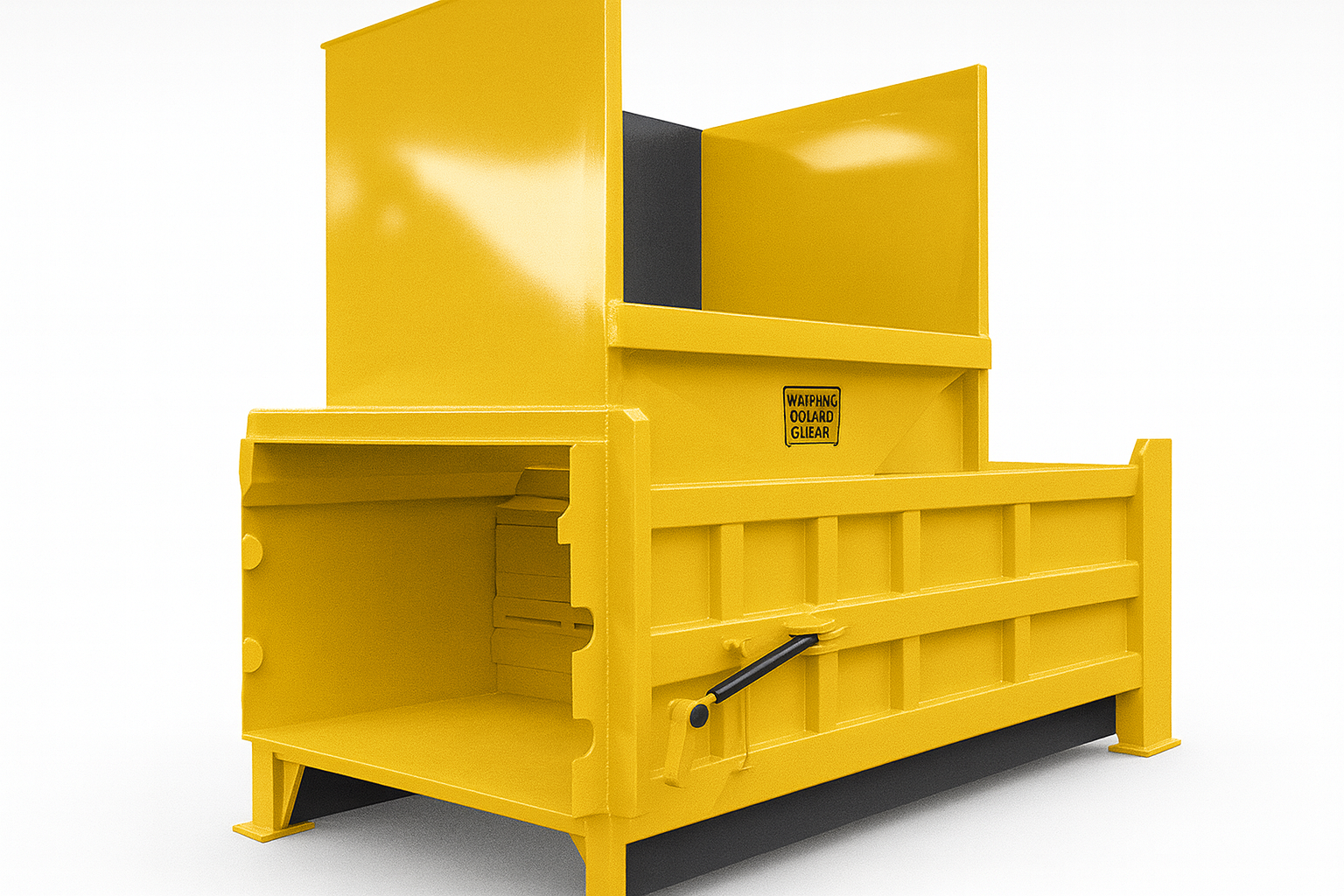
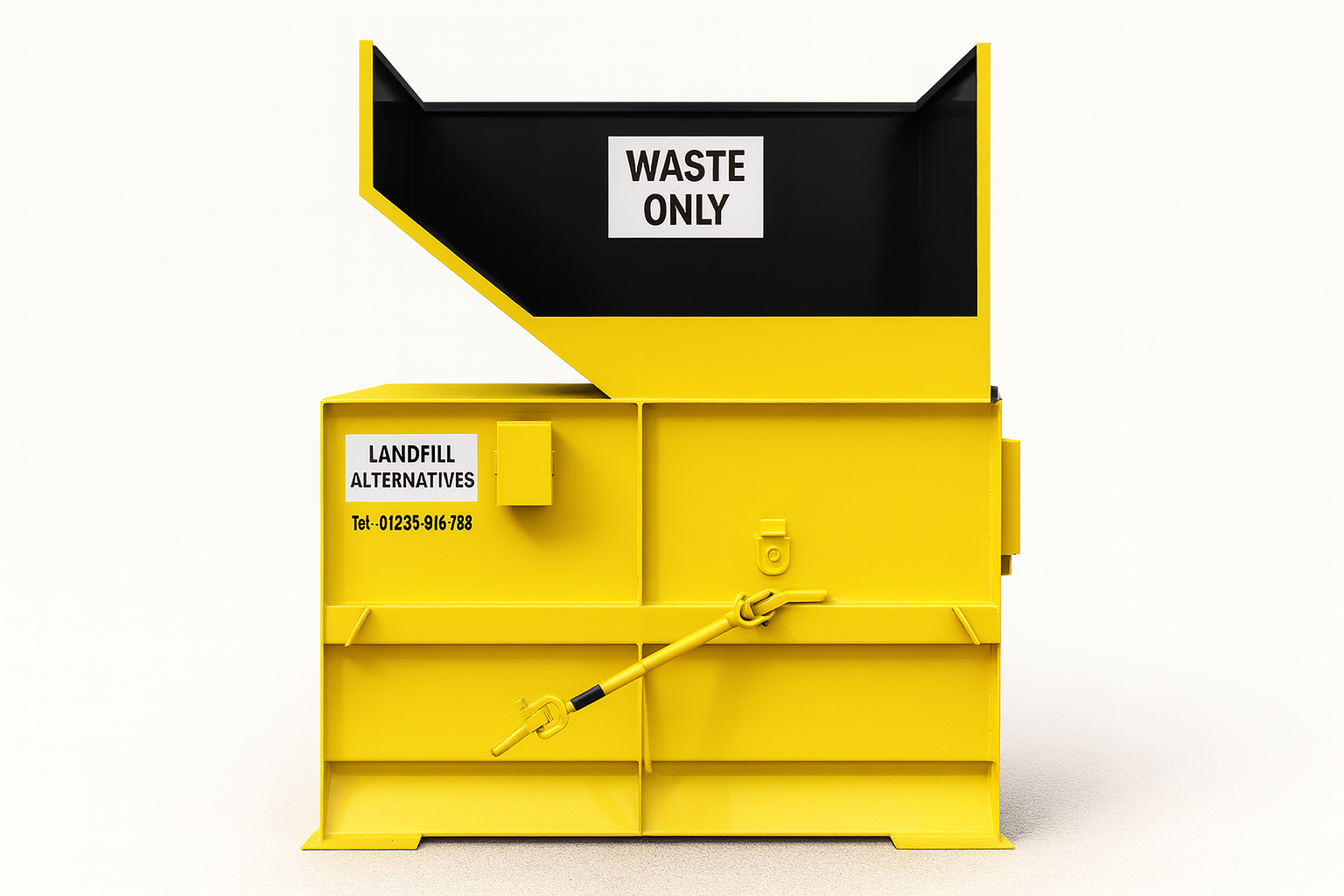
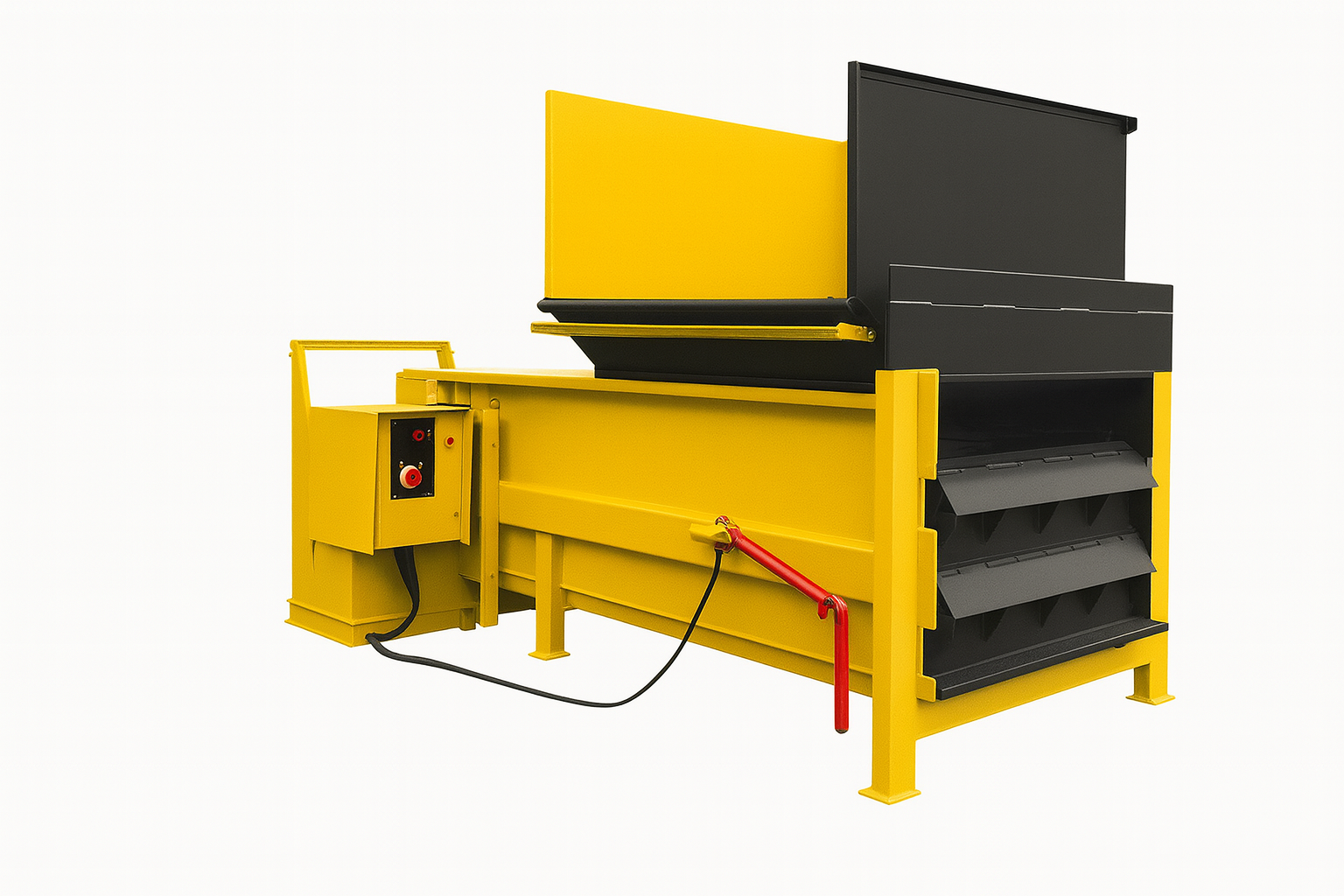
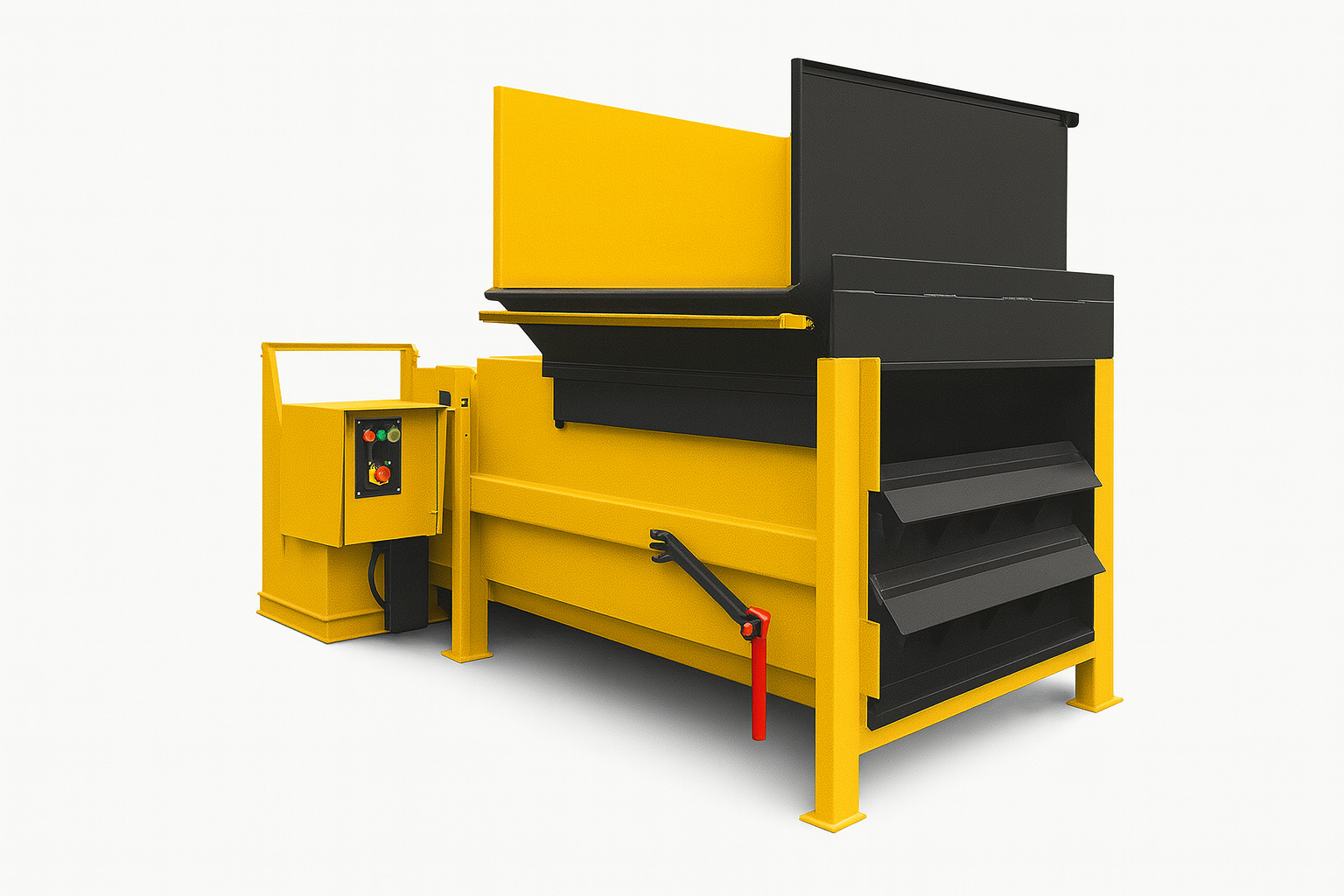
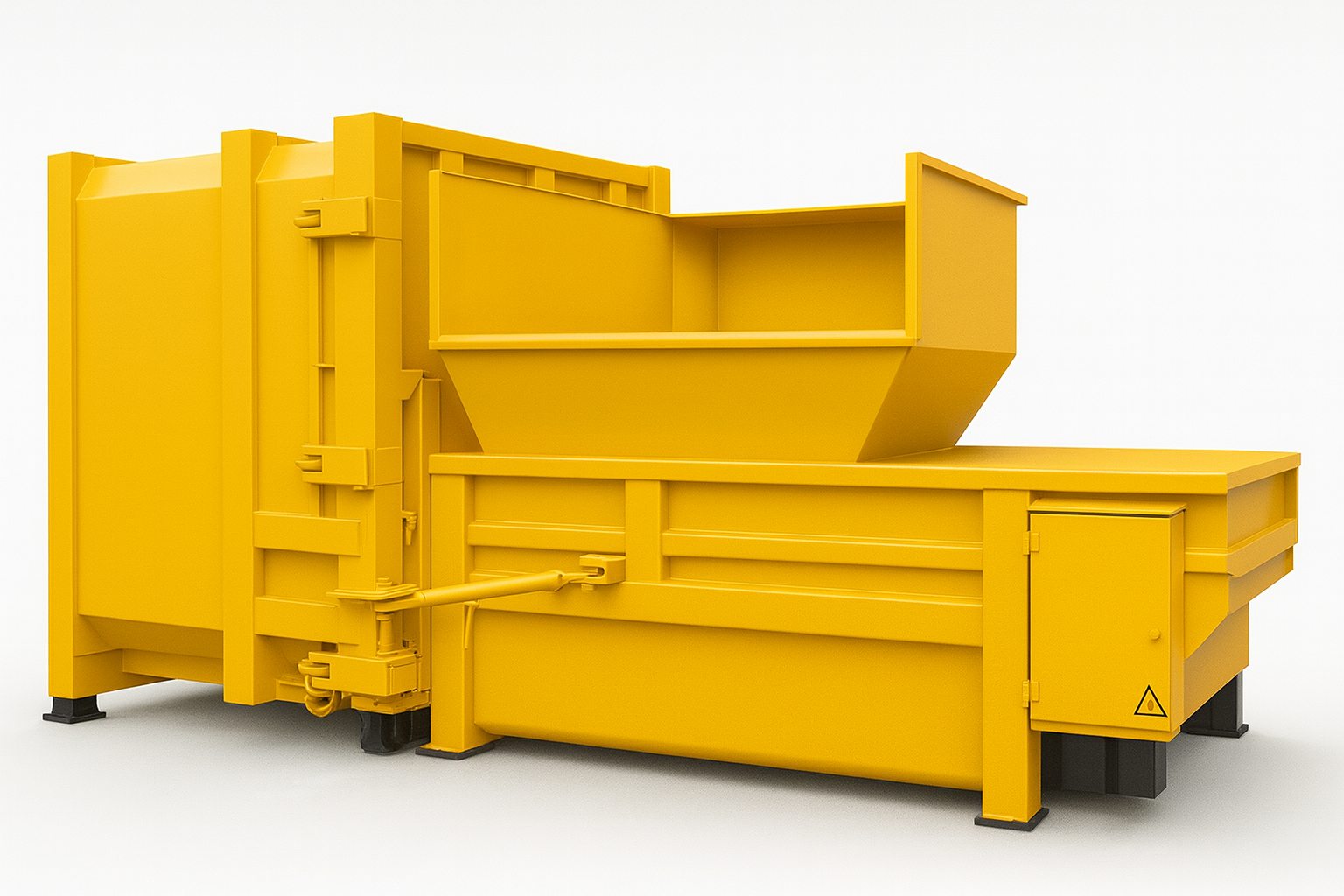
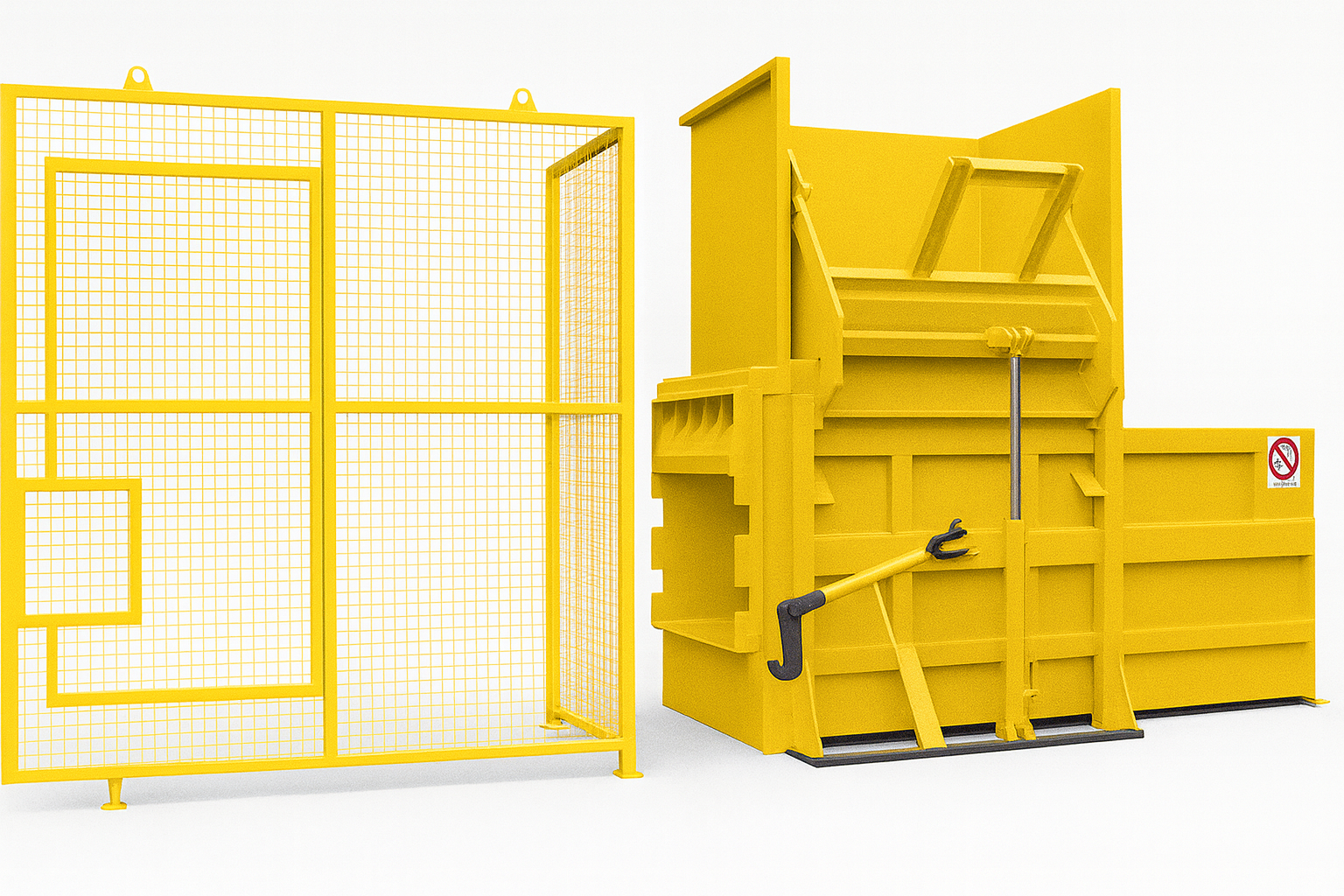
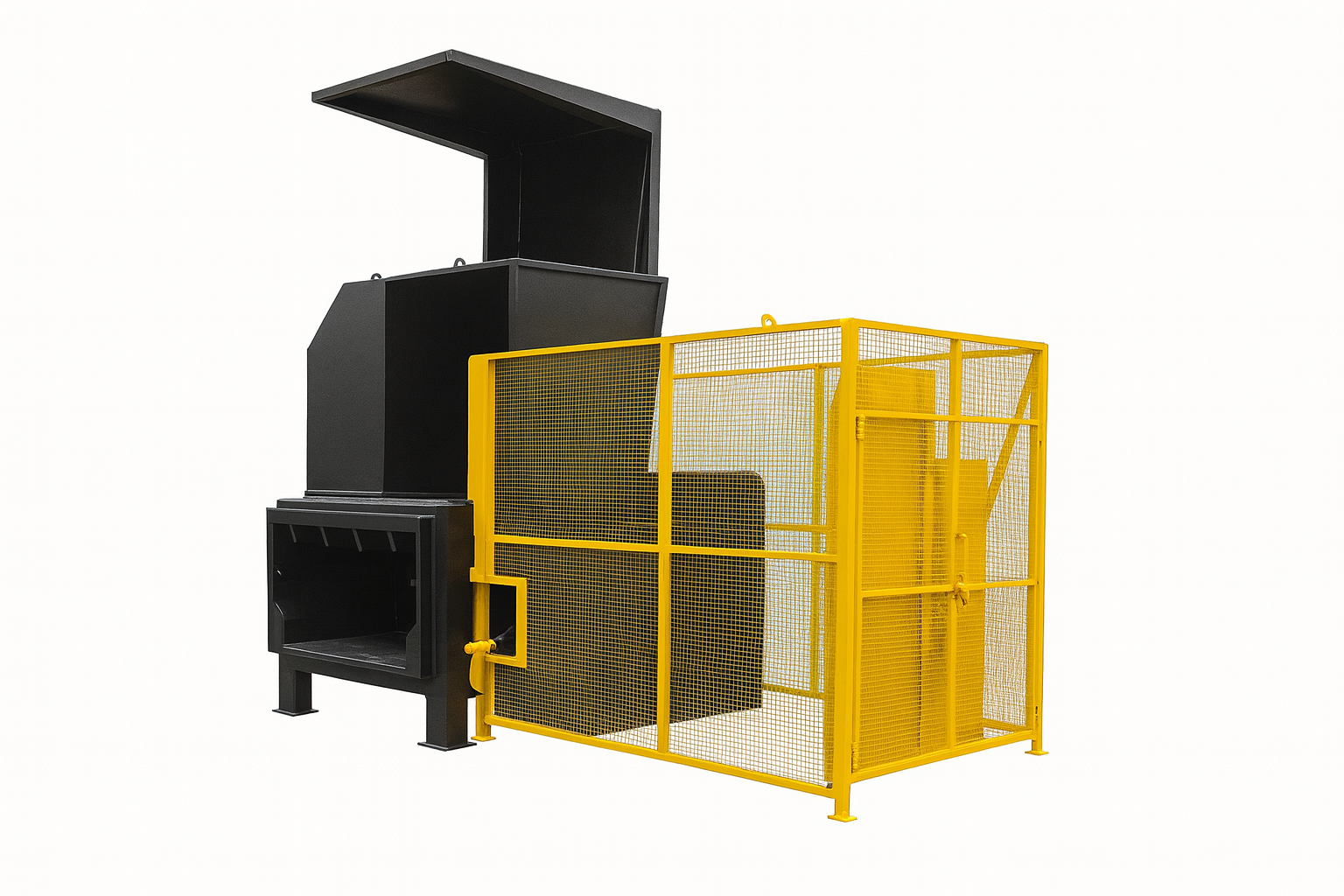
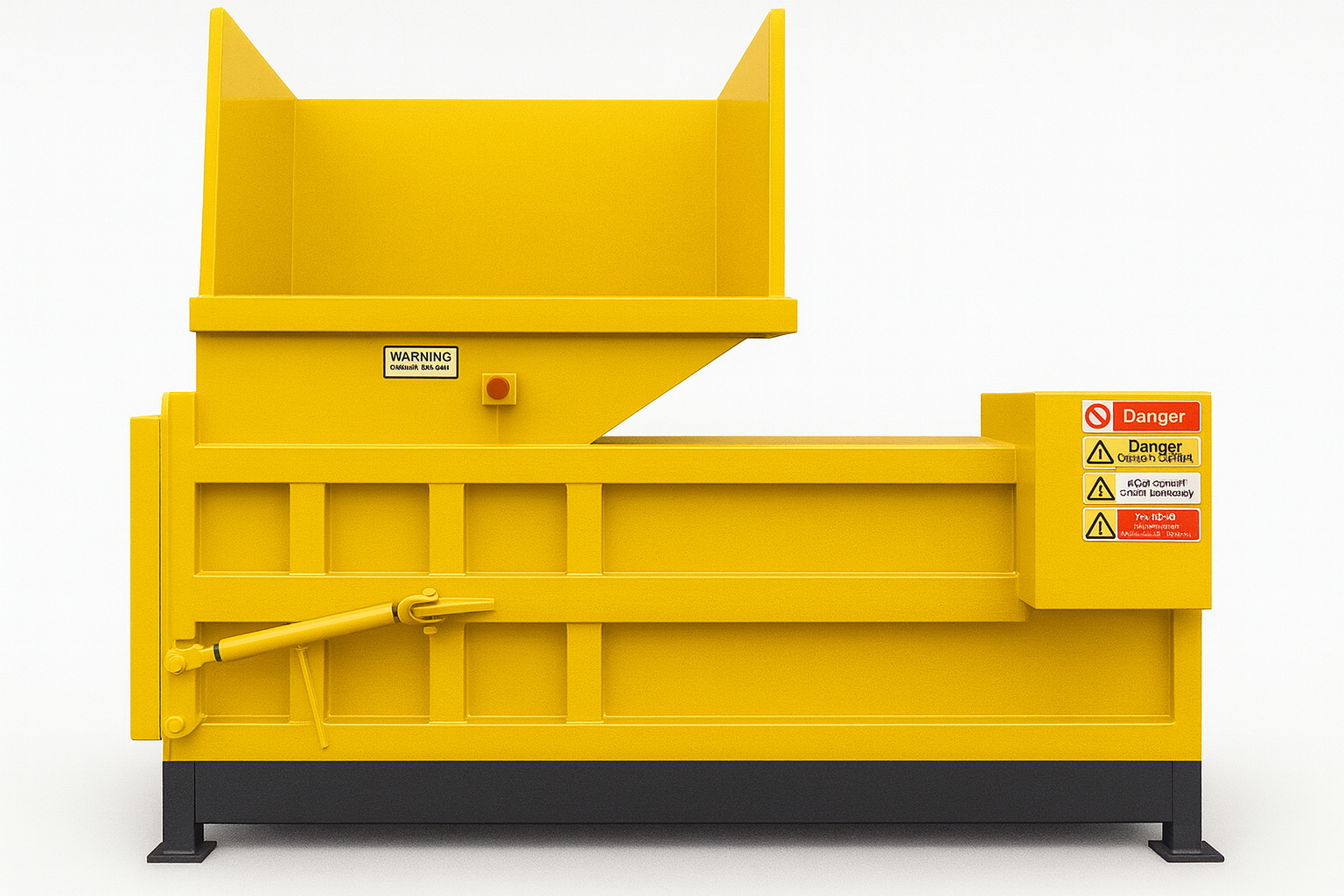
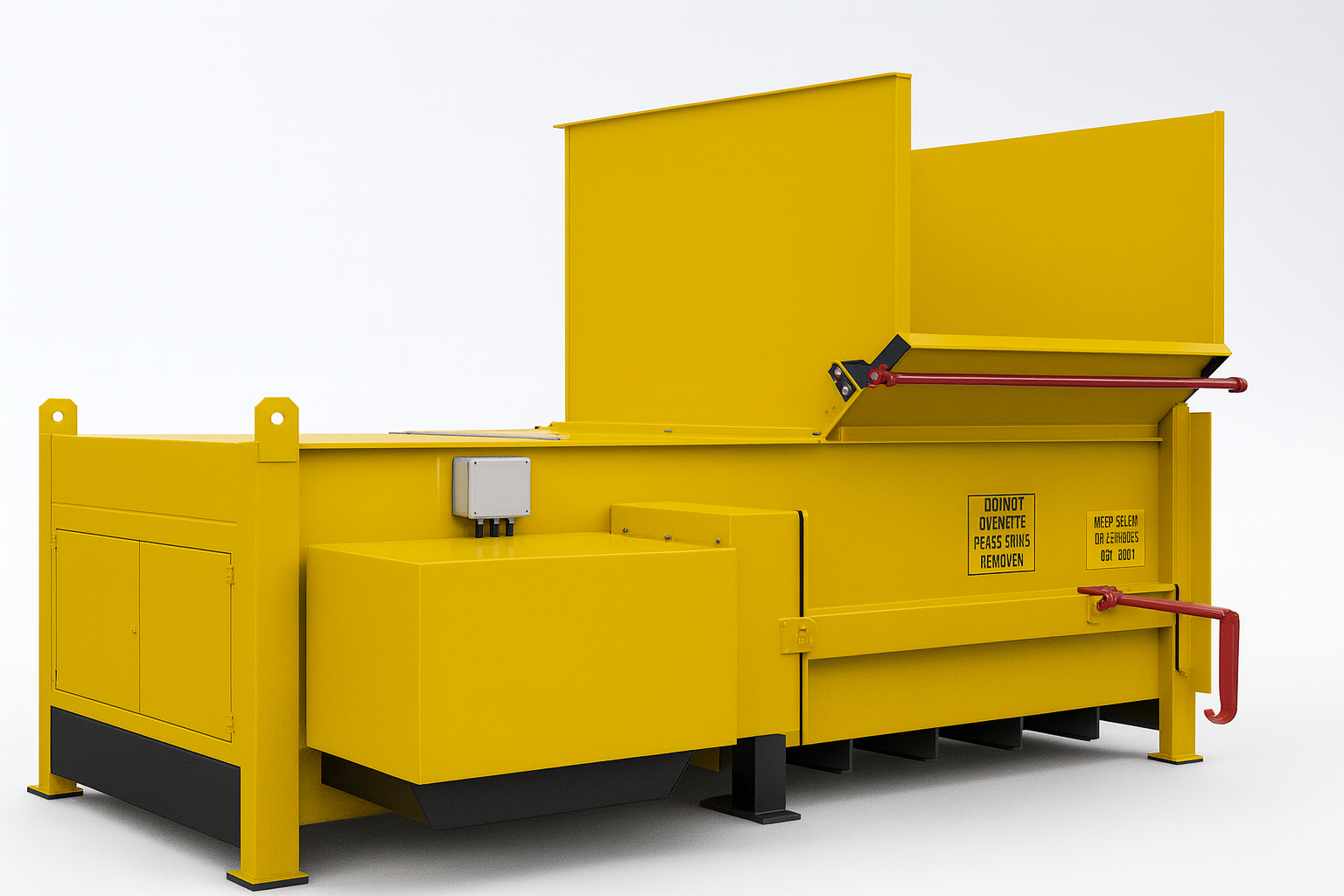
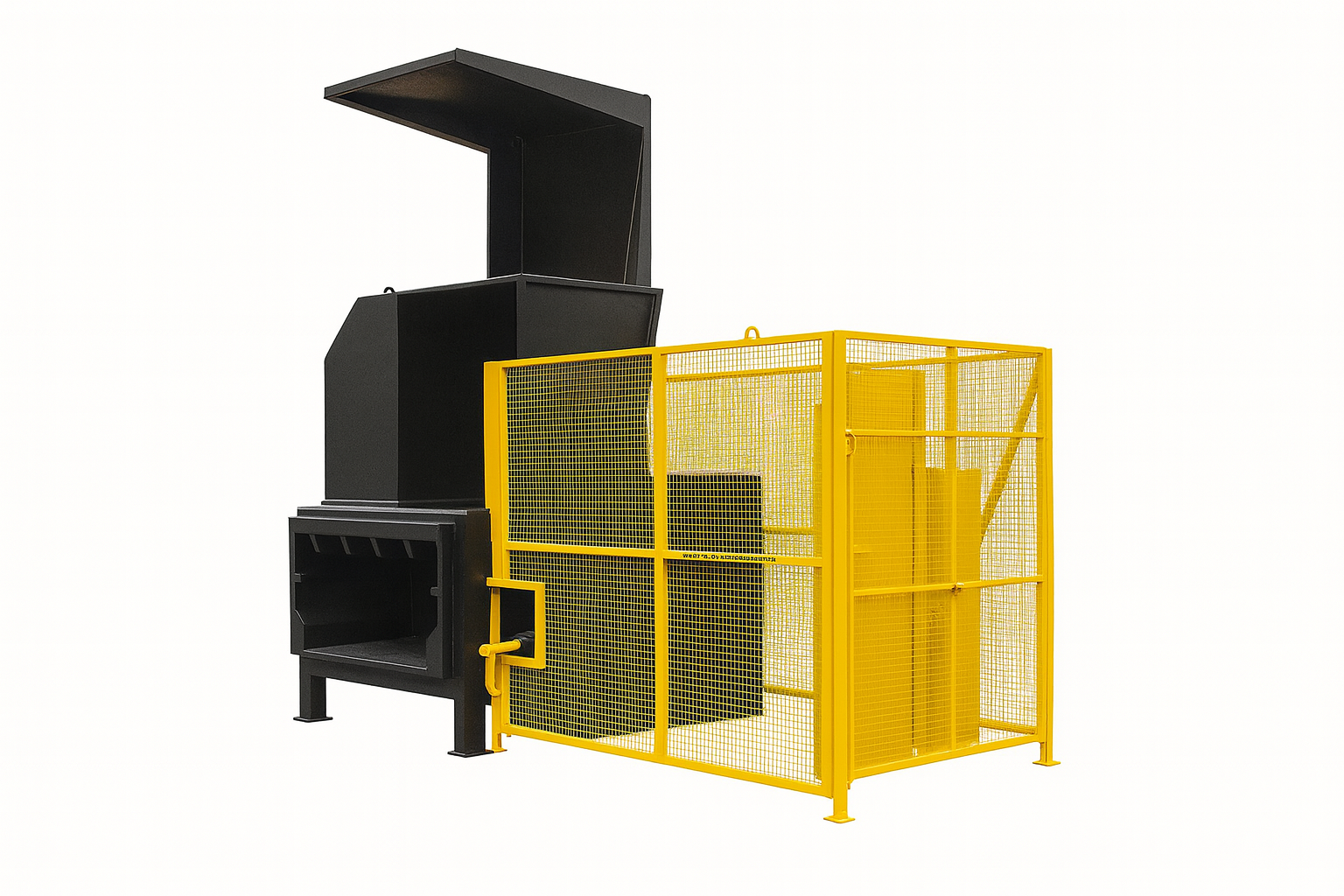
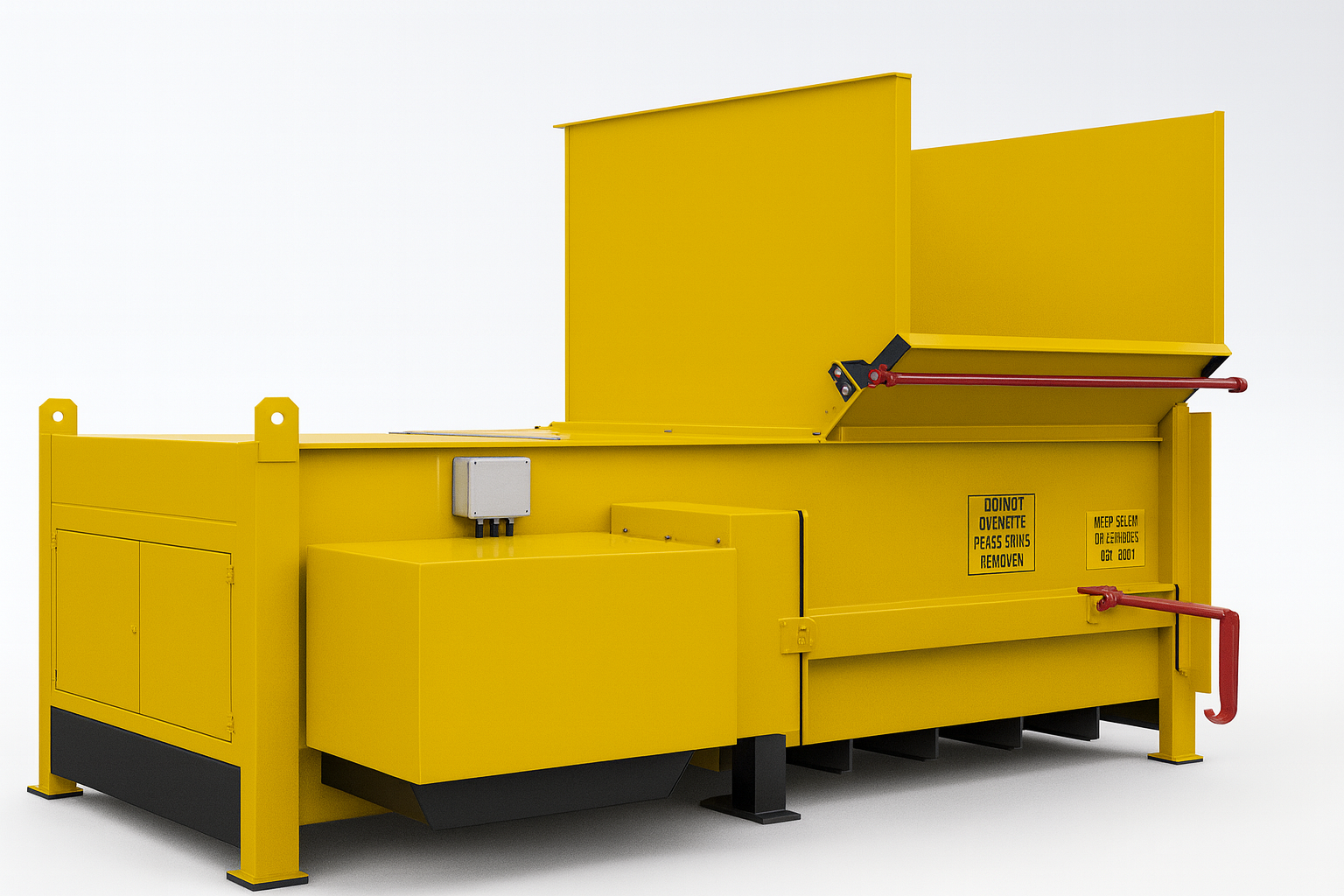
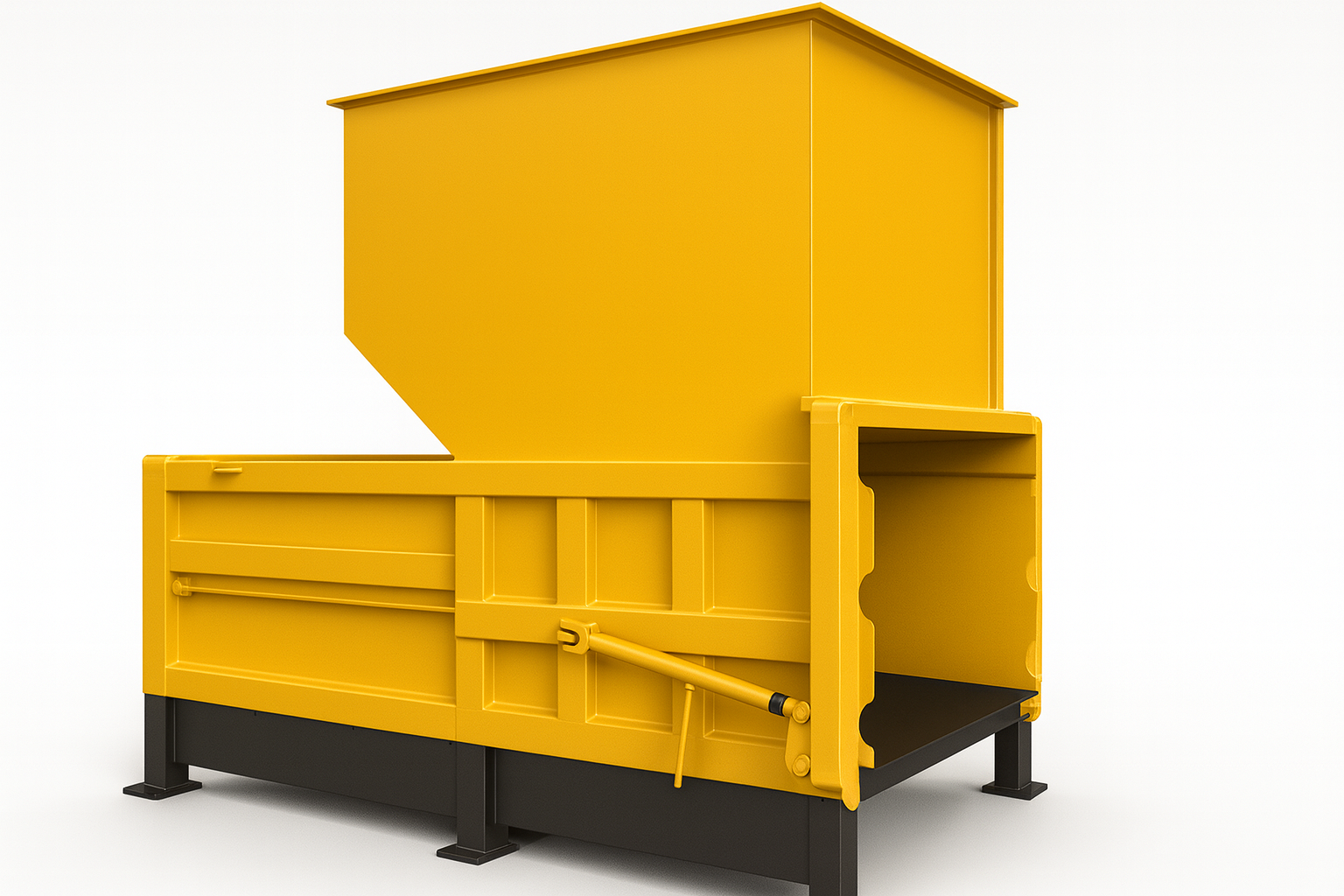
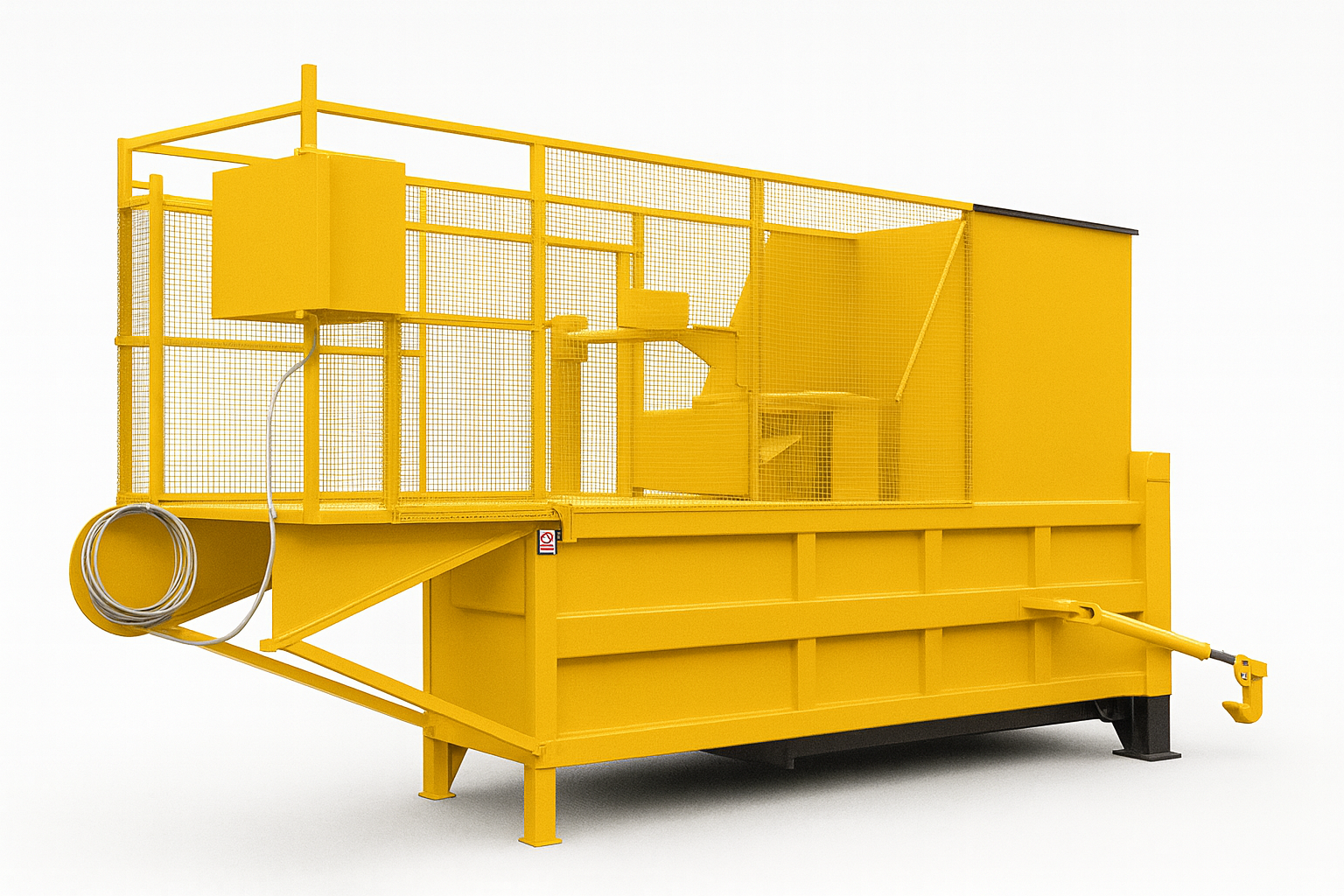
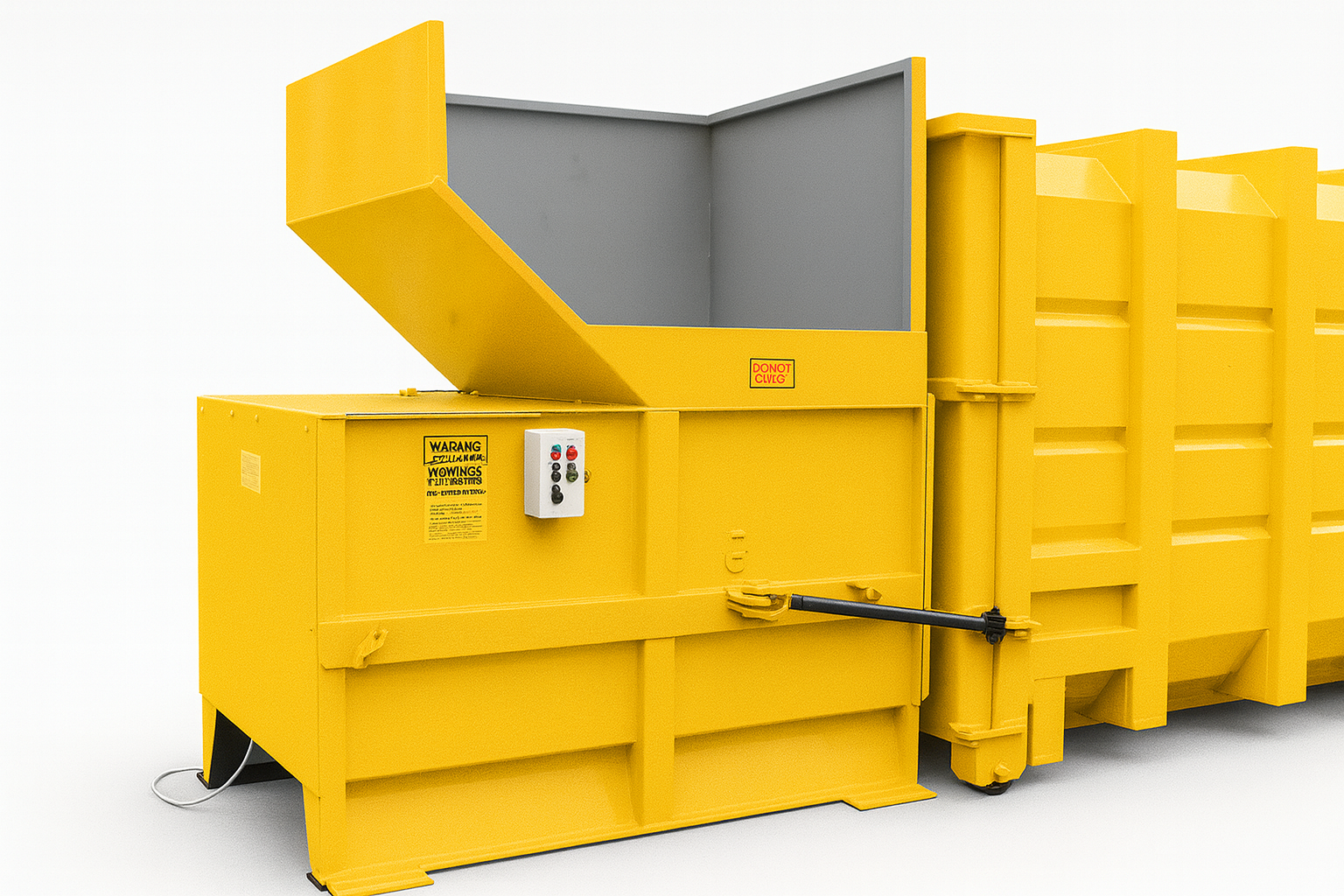
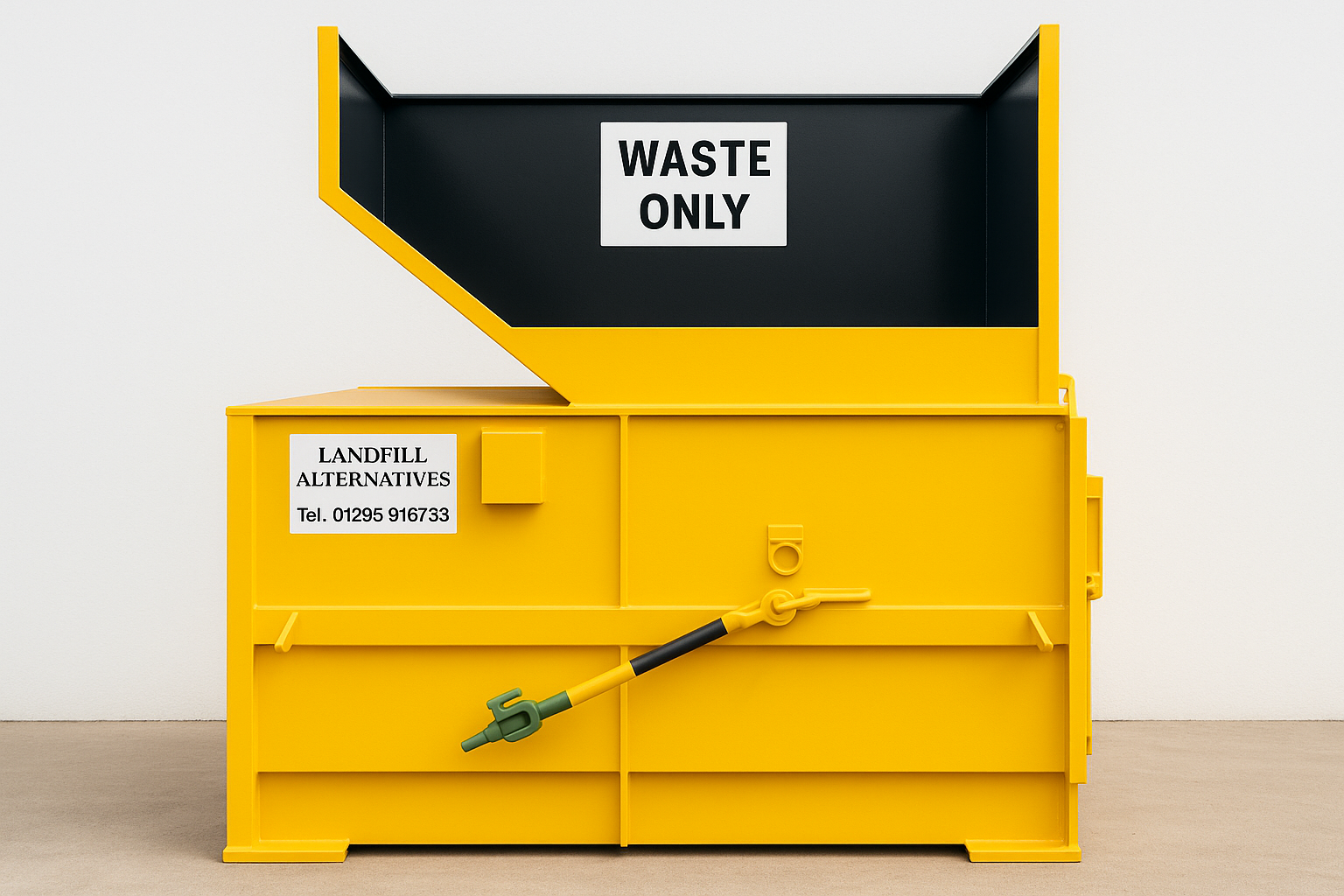
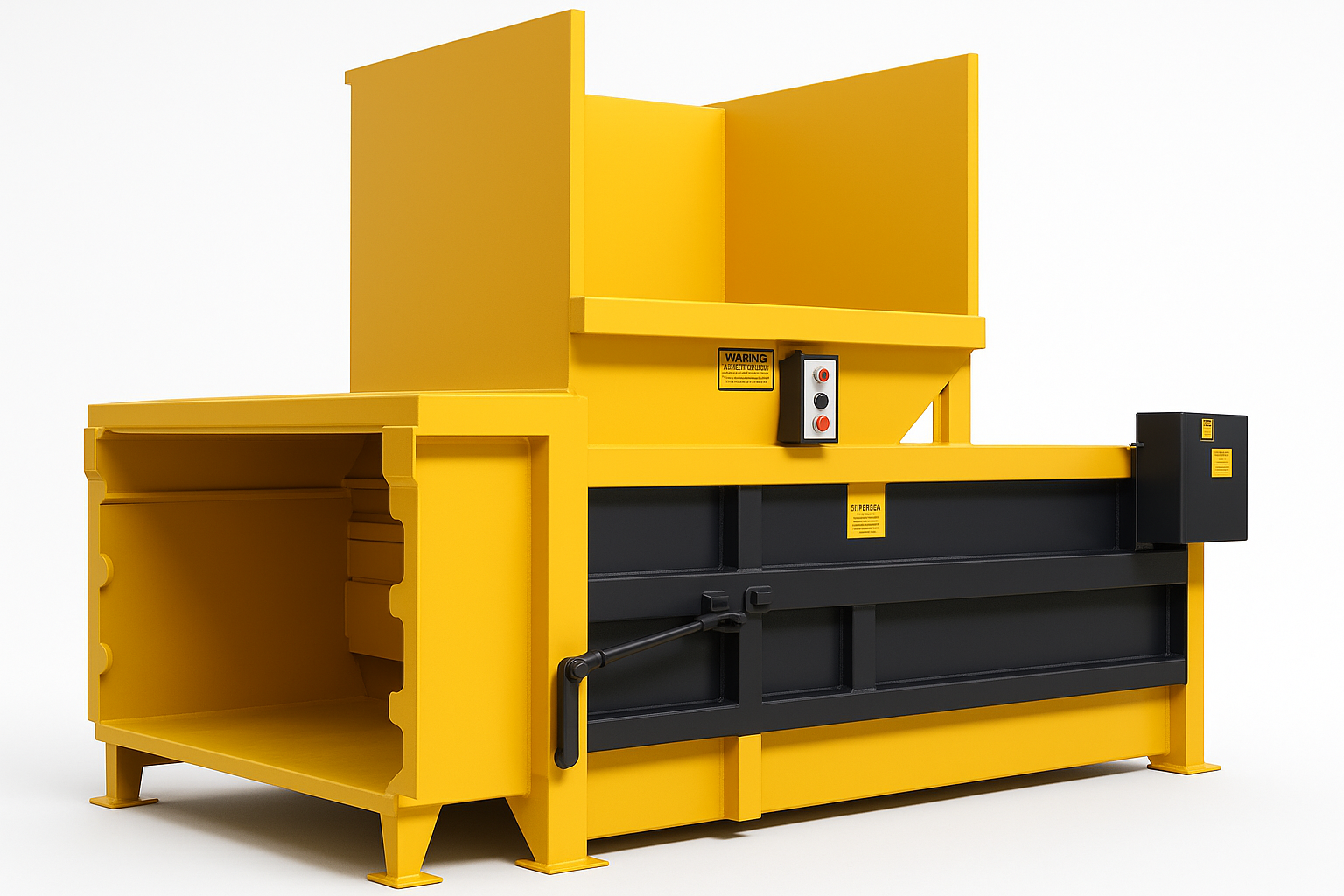
Waste Compactor – Pre1-10
Modern waste compaction machines have become one of the most effective pieces of equipment for environmentally friendly and economical waste management.
- PREKP-40K
- Pressing Force: 40 tons
- Engine Power: 11 kW
- Pressing Chamber (AA): 1,800 × 500 mm
- PREKP-40
- Pressing Force: 40 tons
- Engine Power: 15 kW
- Pressing Chamber (AA): 1,800 × 1,000 mm
- PREKP-50
- Pressing Force: 50 tons
- Engine Power: 22 kW
- Pressing Chamber (AA): 1,800 × 2,000 mm
- PREKP-40M
- Pressing Force: 40 tons
- Engine Power: 11 kW
- Pressing Chamber (AA): 1,800 × 500 mm
A compactor is a modern waste management machine that reduces waste volume by compressing it under high pressure. This system reduces waste volume by 70–90%, allowing for more efficient landfill use and lowering transportation costs. Compactors are used to process a wide variety of materials, from household waste to industrial waste. With their quiet operation, safe design, and long-lasting construction, they offer practical solutions to businesses. Today, compactors have become one of the most effective equipment for environmentally friendly and economical waste management.
Main Functions of a Compactor Press
- Compressing different types of waste within containers under intense pressure
- Saving space by reducing waste volume by 70% to 90%
- Significantly reducing transportation costs and transportation frequency
- Helps with more efficient landfill use
- Preparing waste before recycling.
Which Types of Waste Are They Used For?
Compactor presses can be used to manage a wide variety of waste types. These include:
- General waste collected by households and municipalities
- Packaging waste such as cardboard, plastic, and stretch film
- Industrial waste from industrial and production facilities
- Waste from the food sector and organic content
Additional Features
Compactors can be equipped with manually loading doors. They can also be equipped with a bin lifting system (MPB 10 BL), suitable for 500- to 1100-liter wheeled waste containers, facilitating manual handling. Contact us for custom solutions tailored to your needs. We can offer various customization options to meet your specific needs.
Cost Advantage
To achieve economic benefits in waste management, specific weekly minimum waste volumes are used. For example:
- For general waste, ten 1100-liter containers are used,
- Two front-loader (FEL) containers are used,
- One rear-loader (REL) container is used to maximize the cost advantage of compactors.