
SINGLE CASE B6090


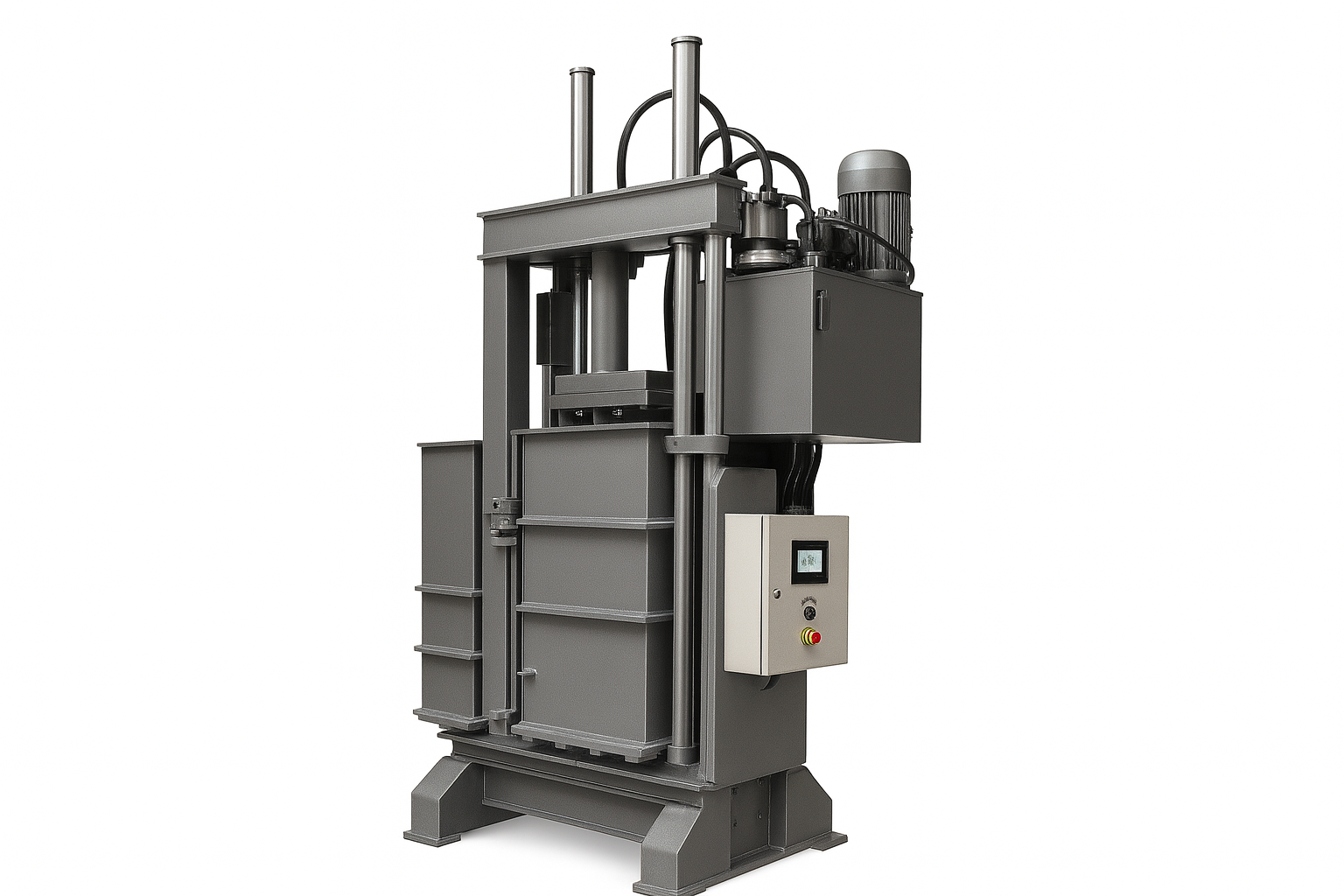
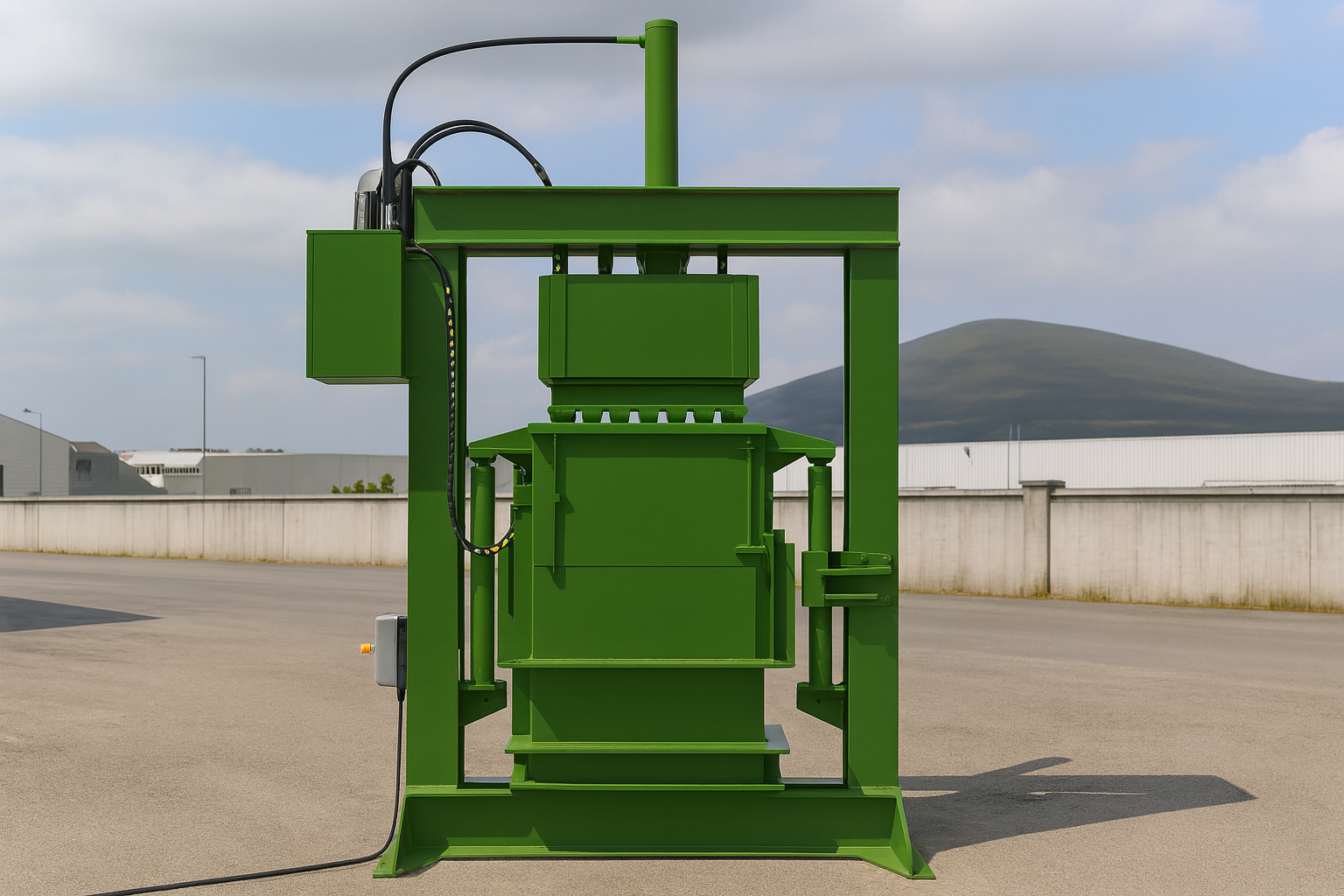
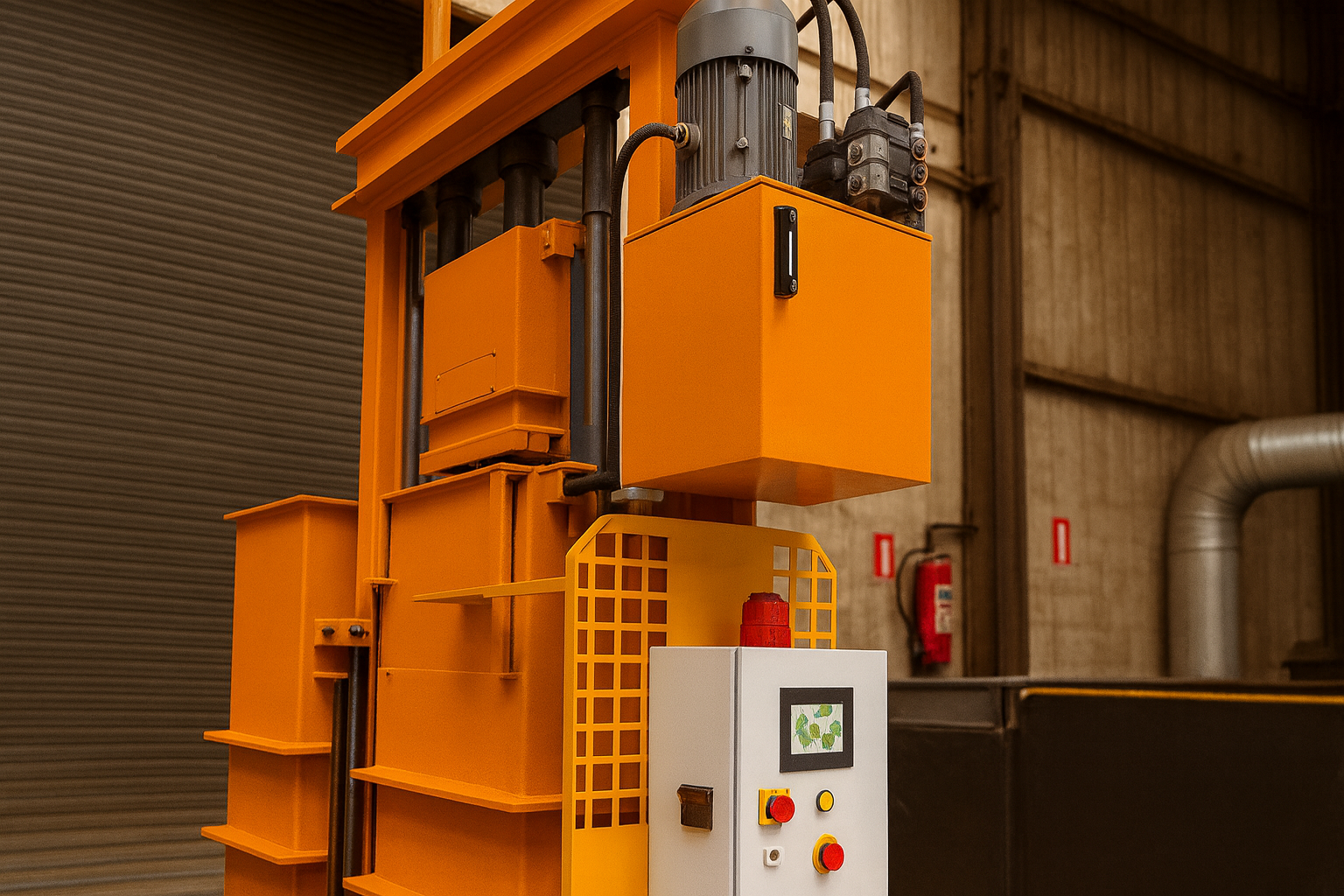
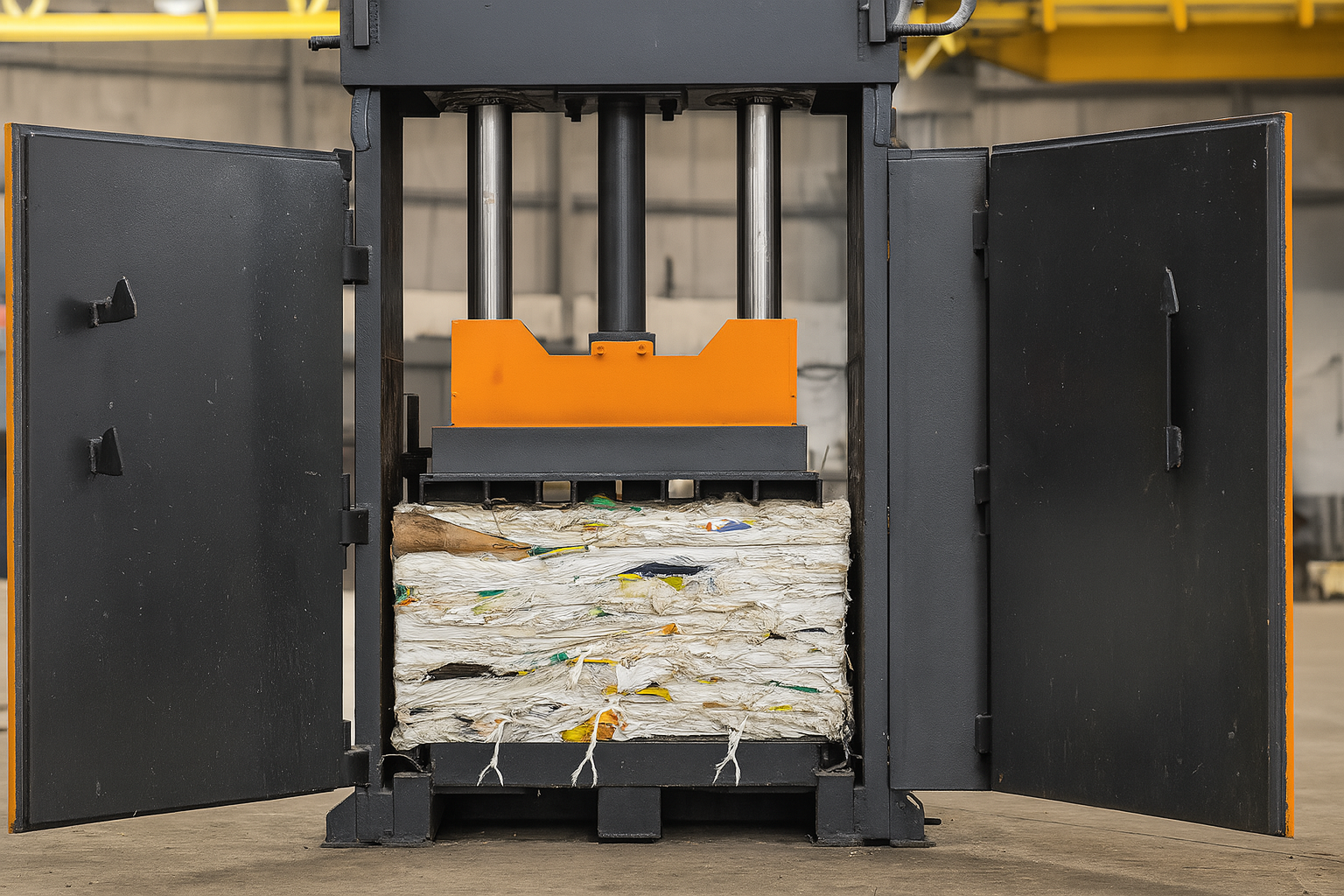
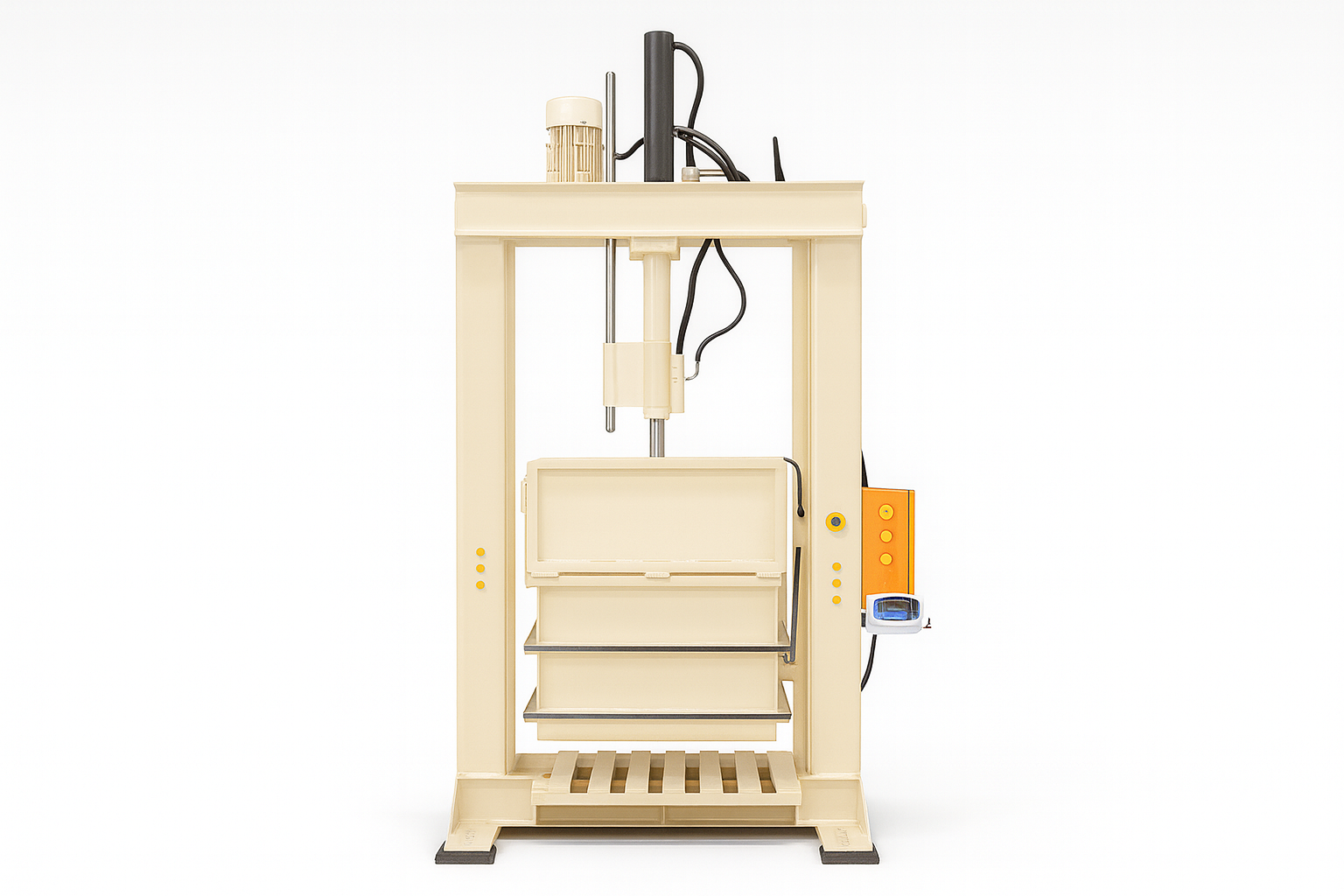
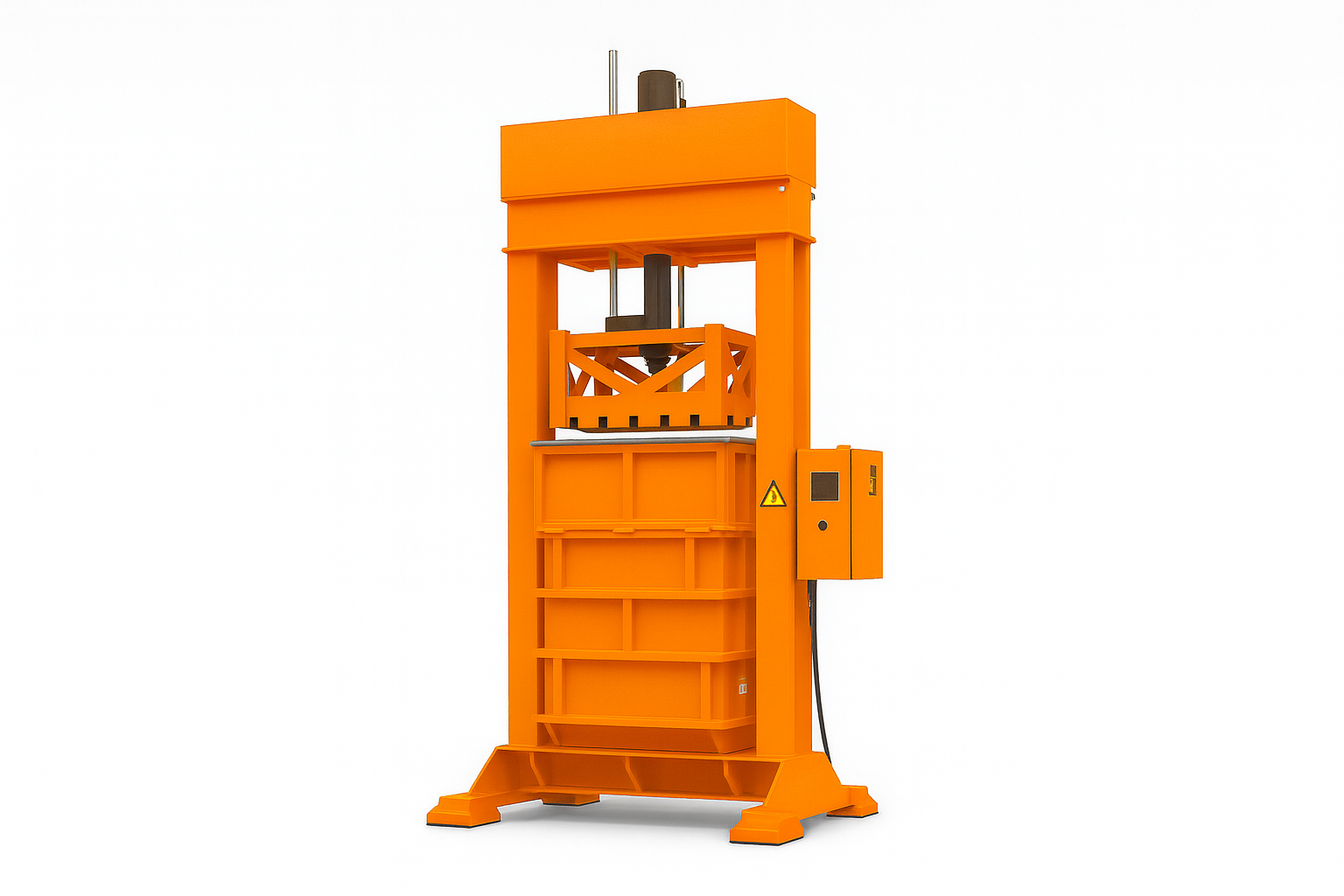
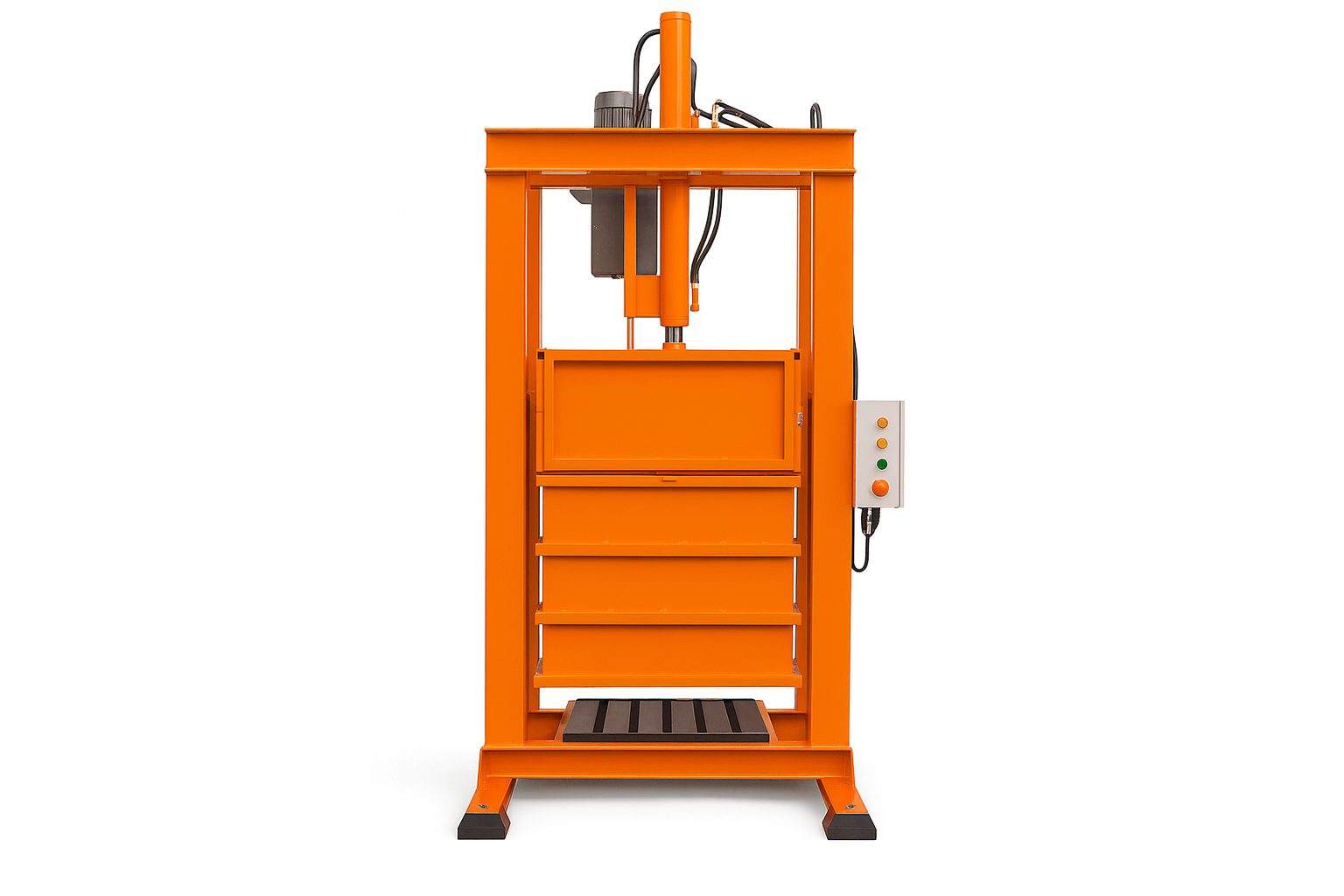


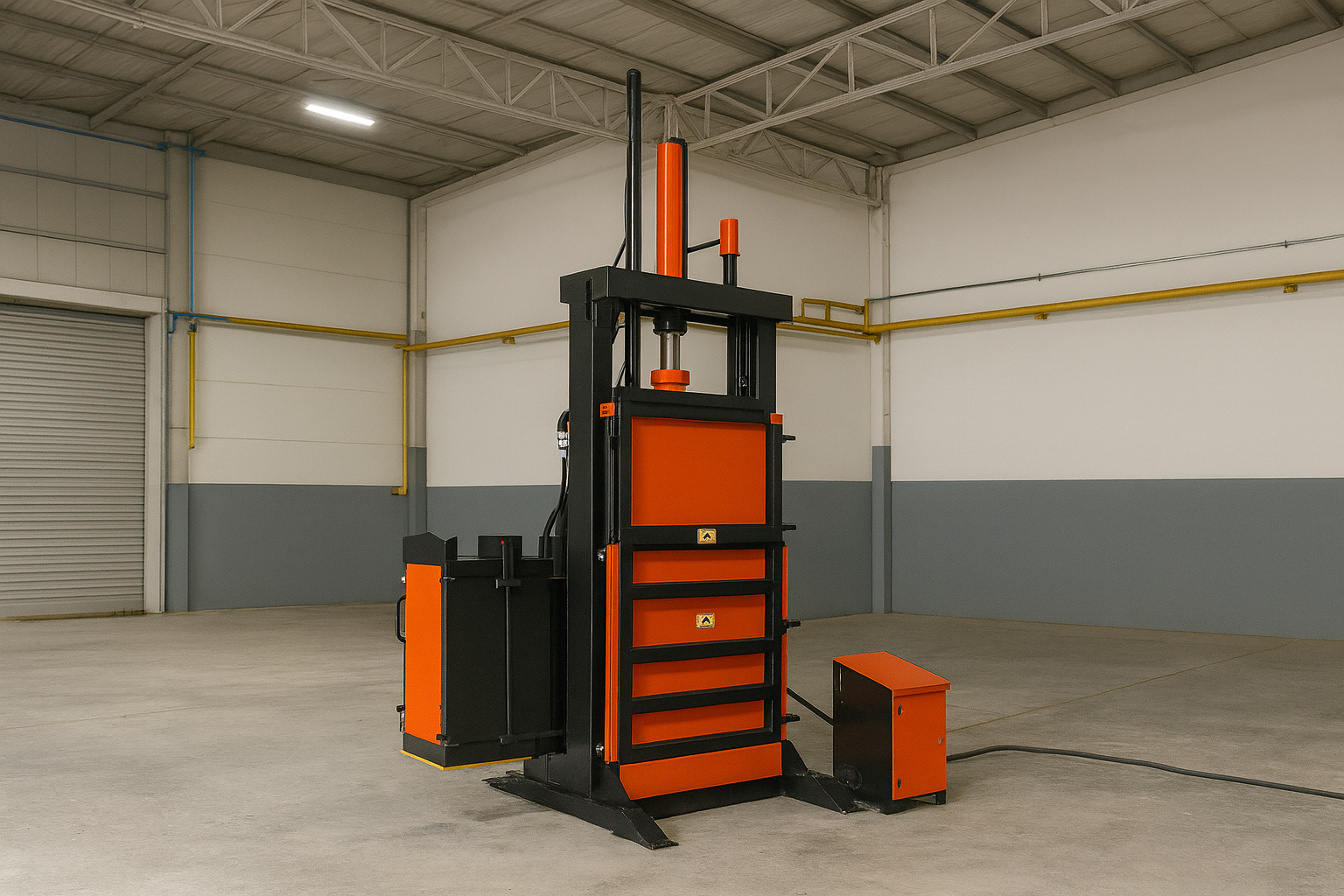
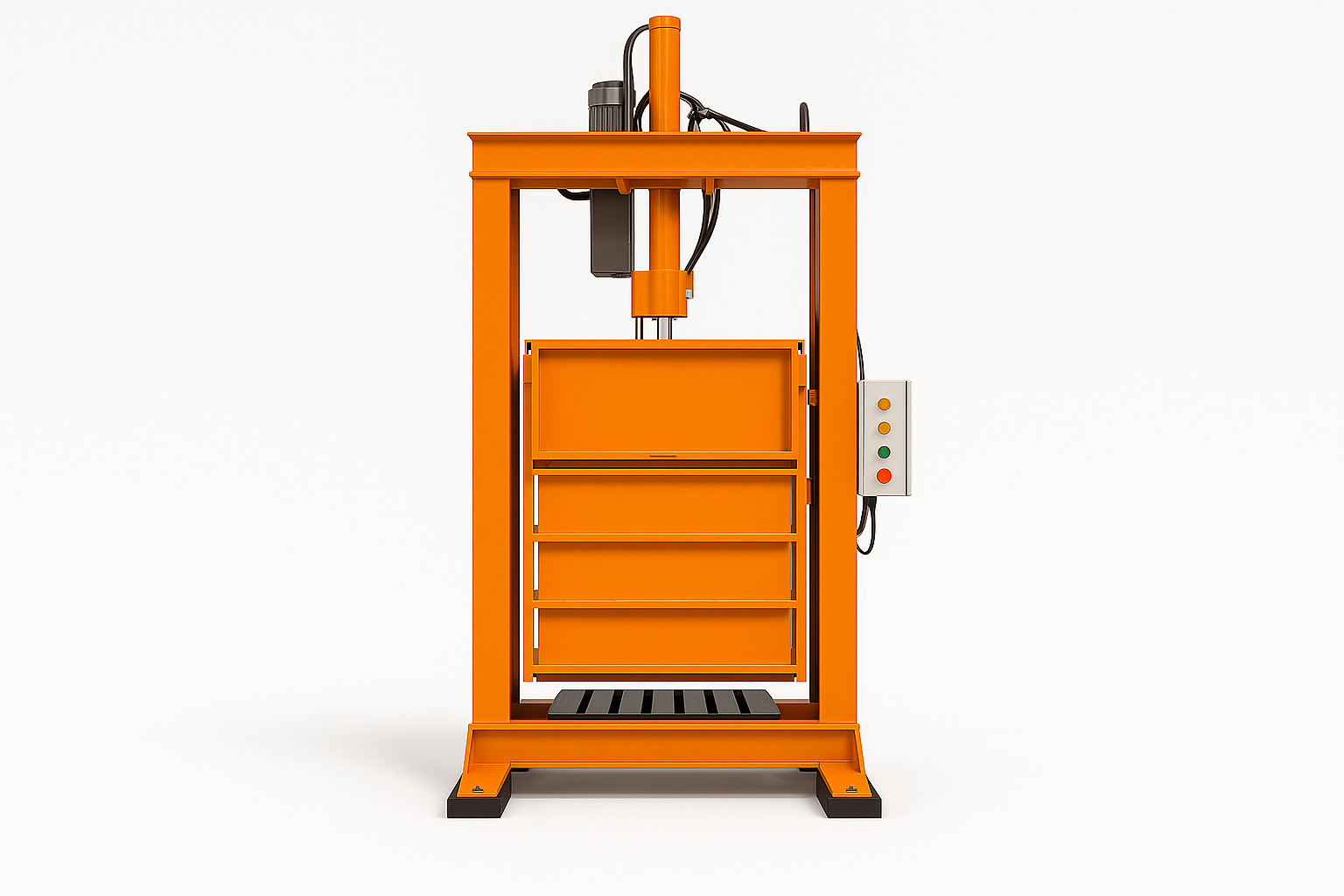
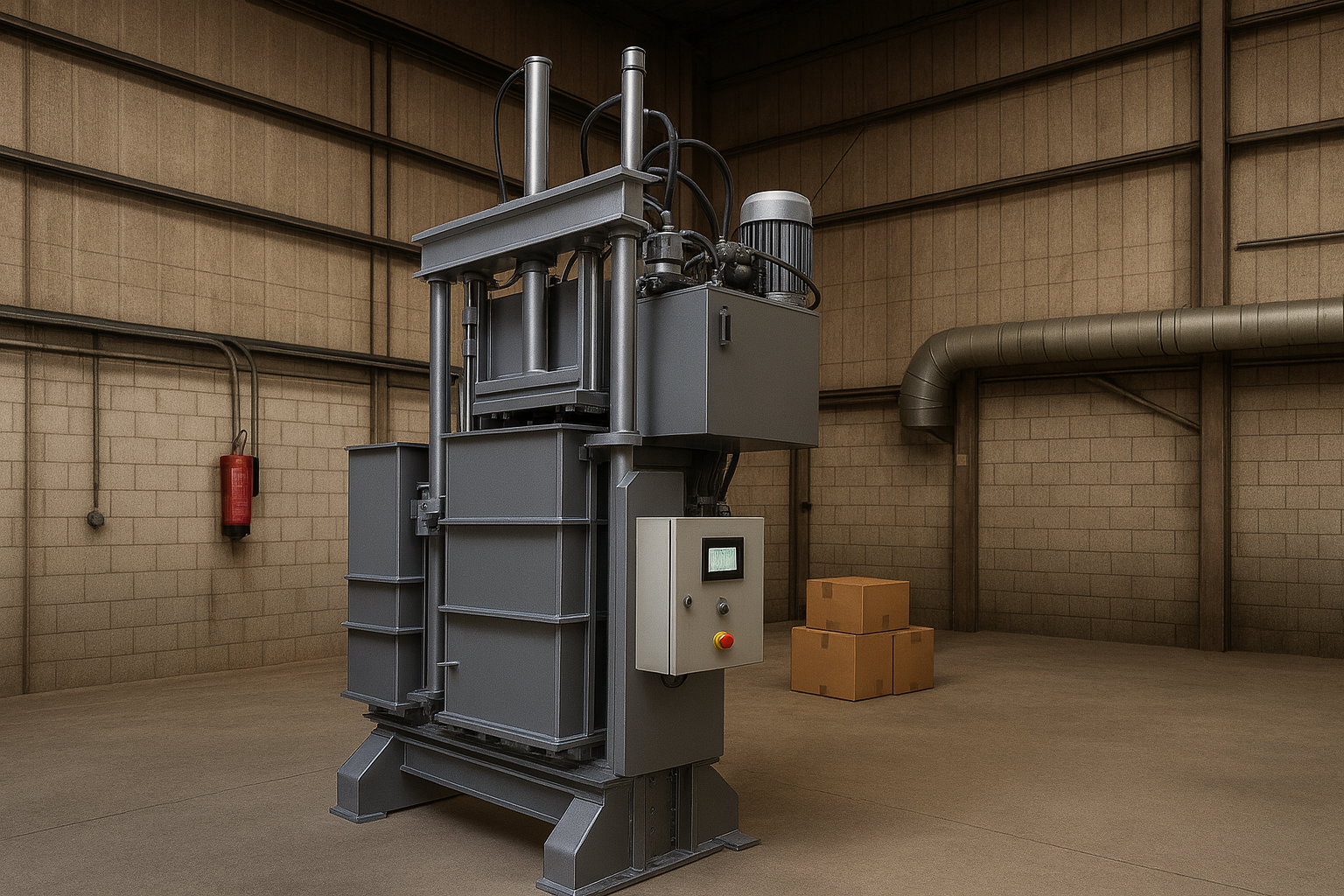
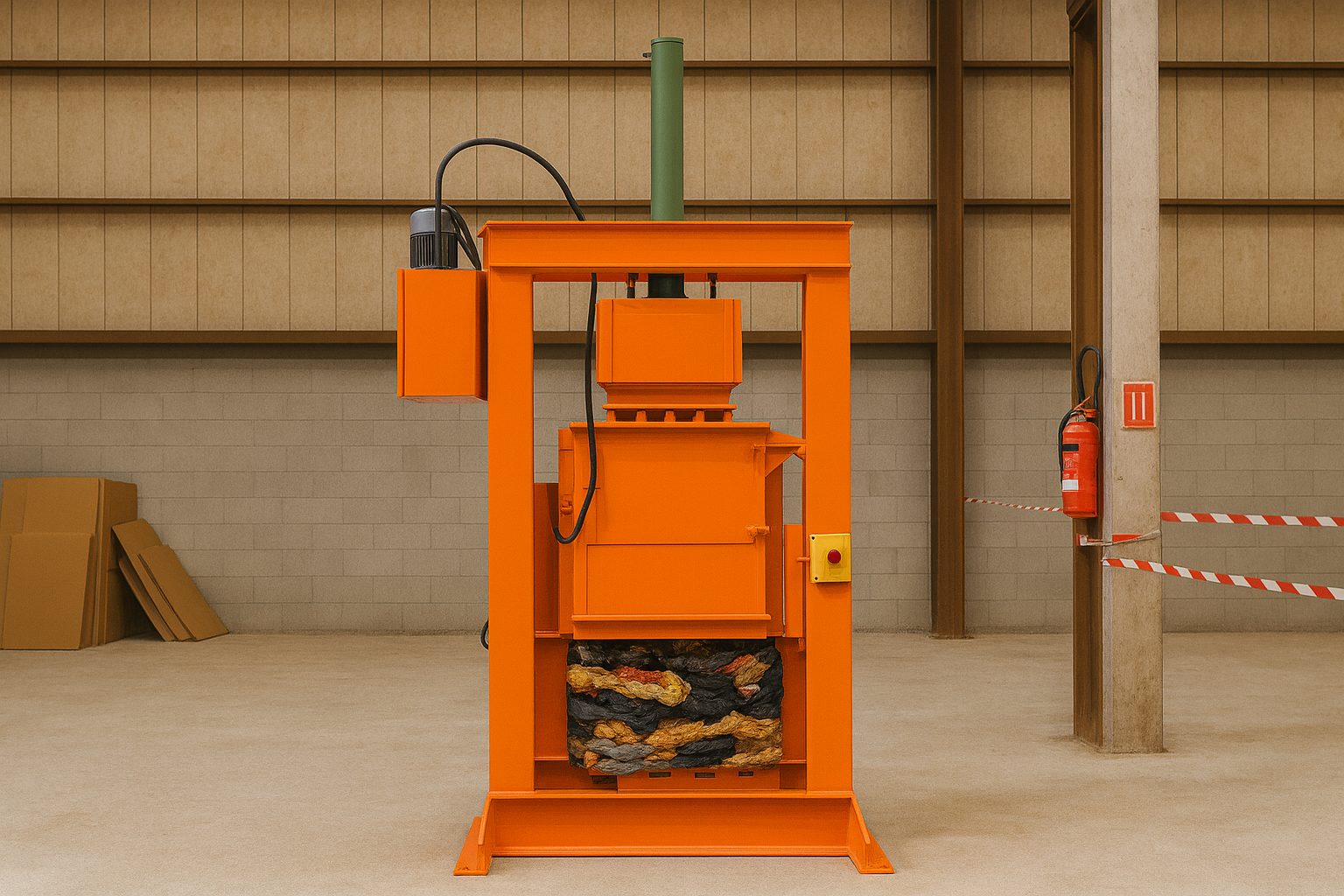
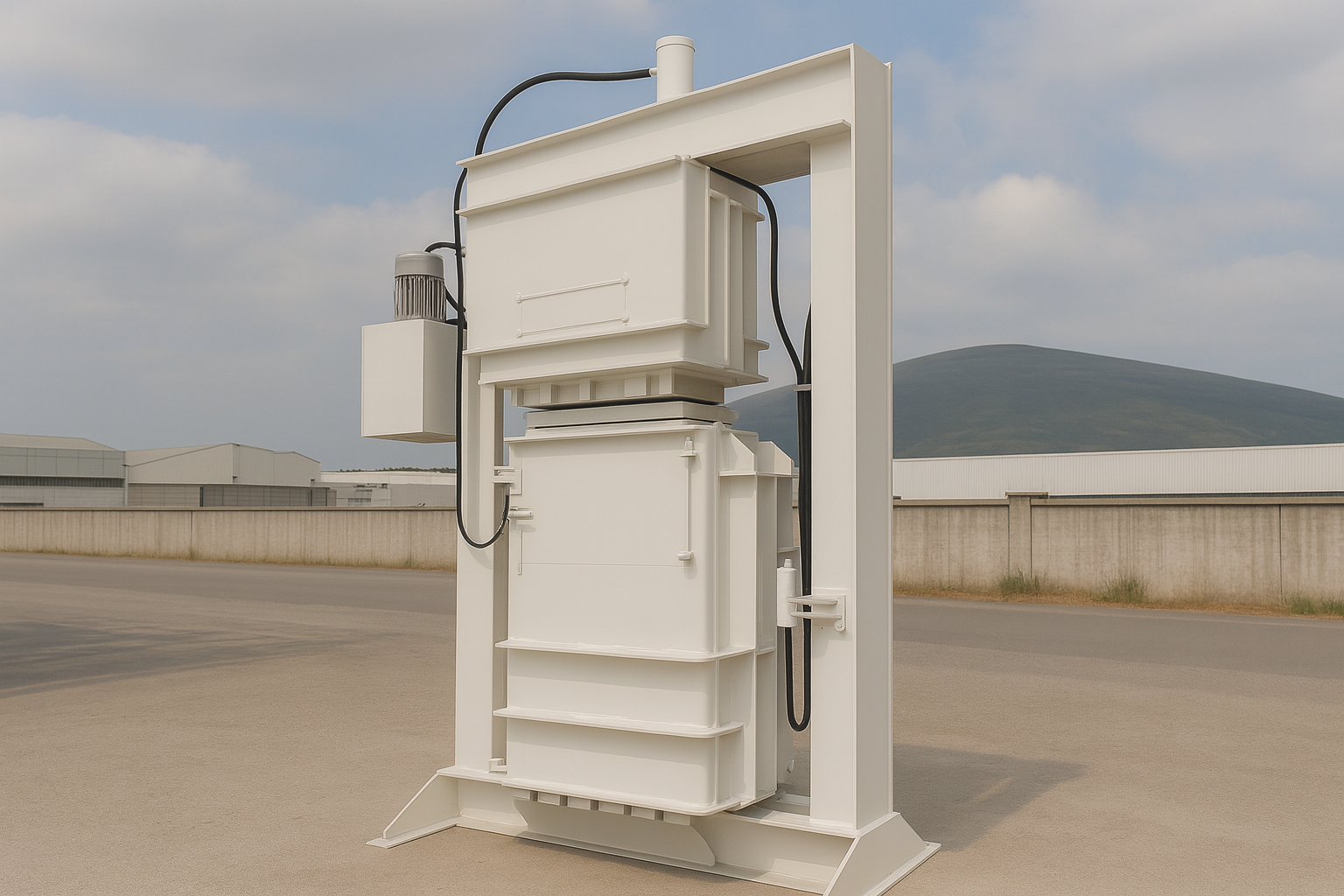
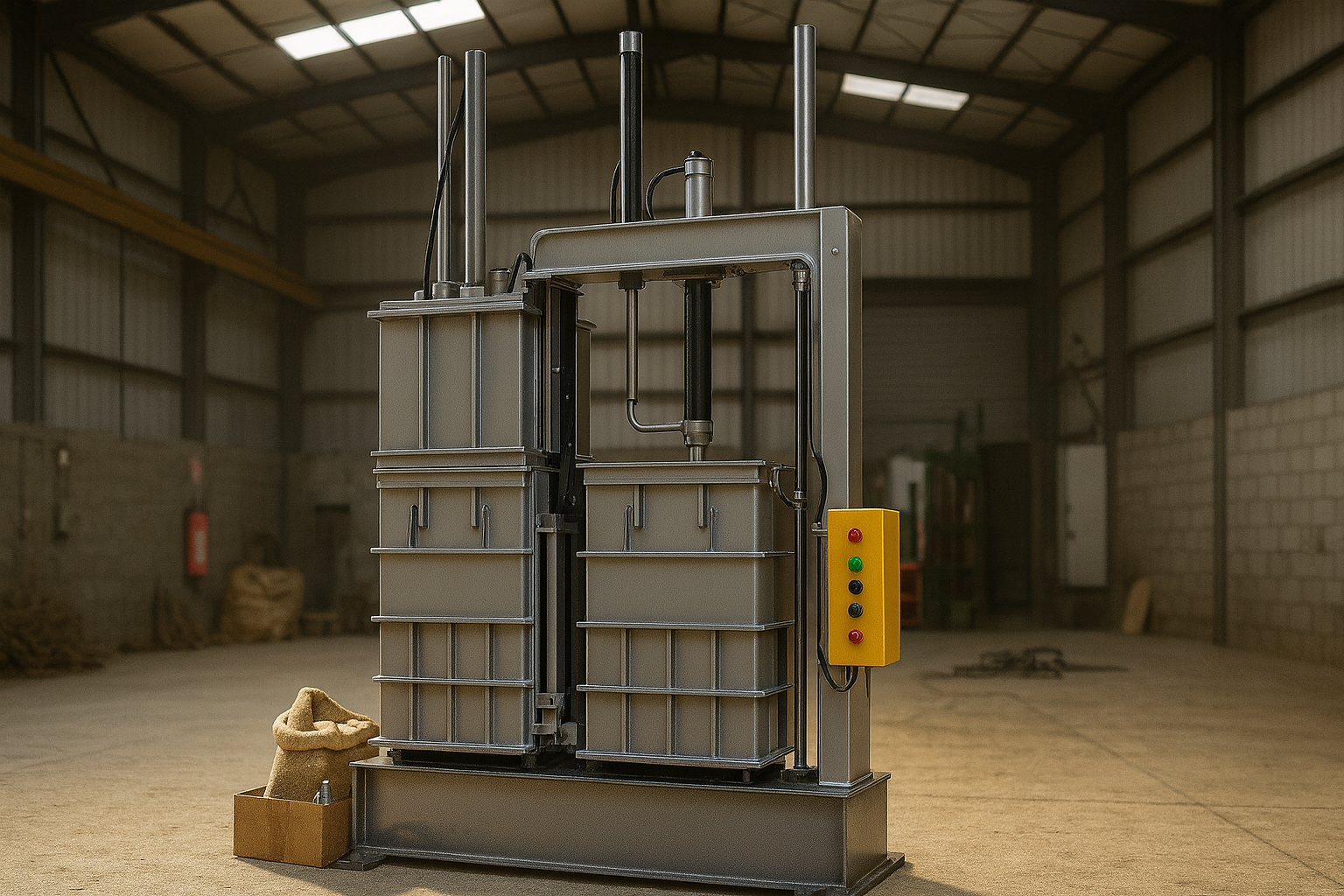
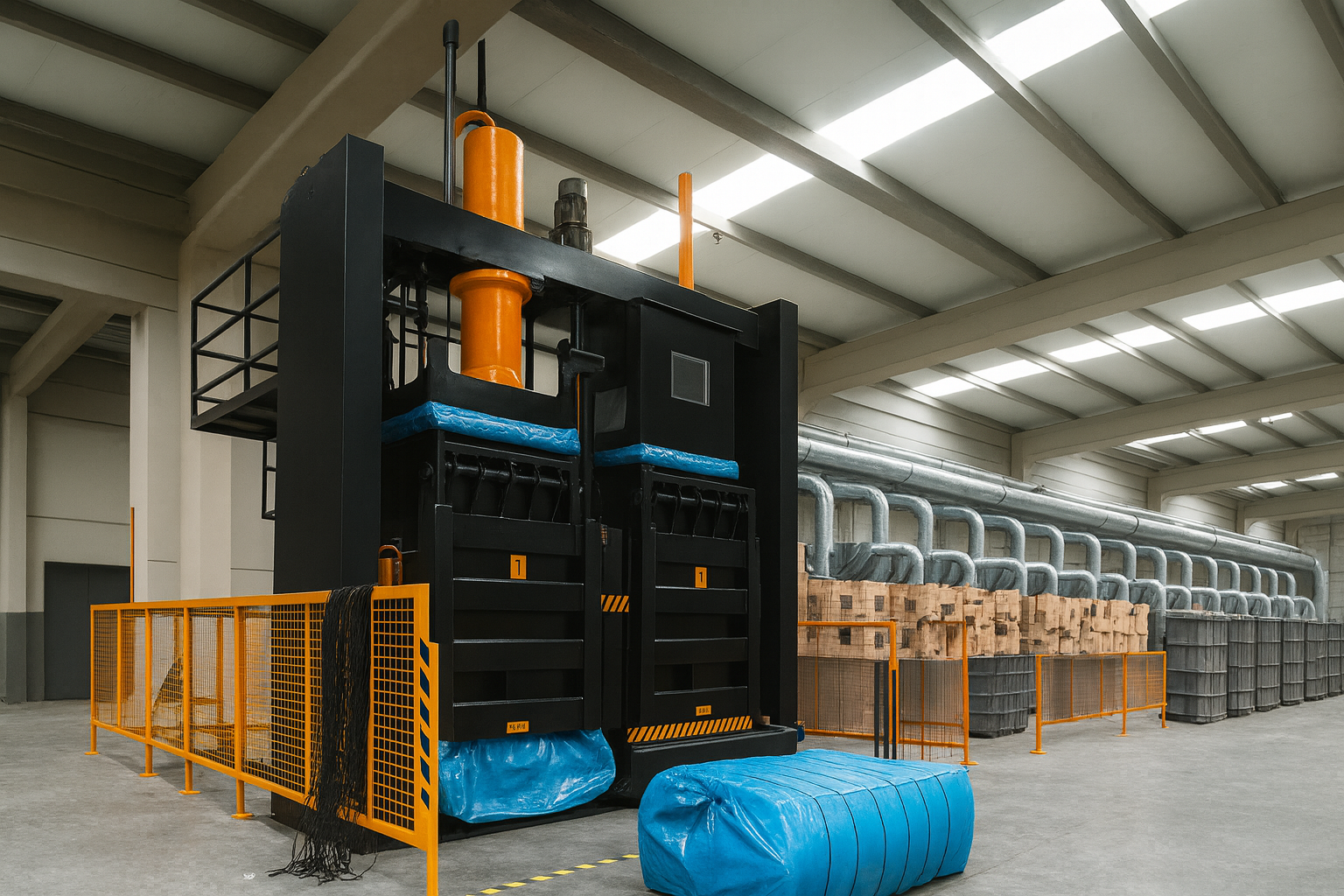
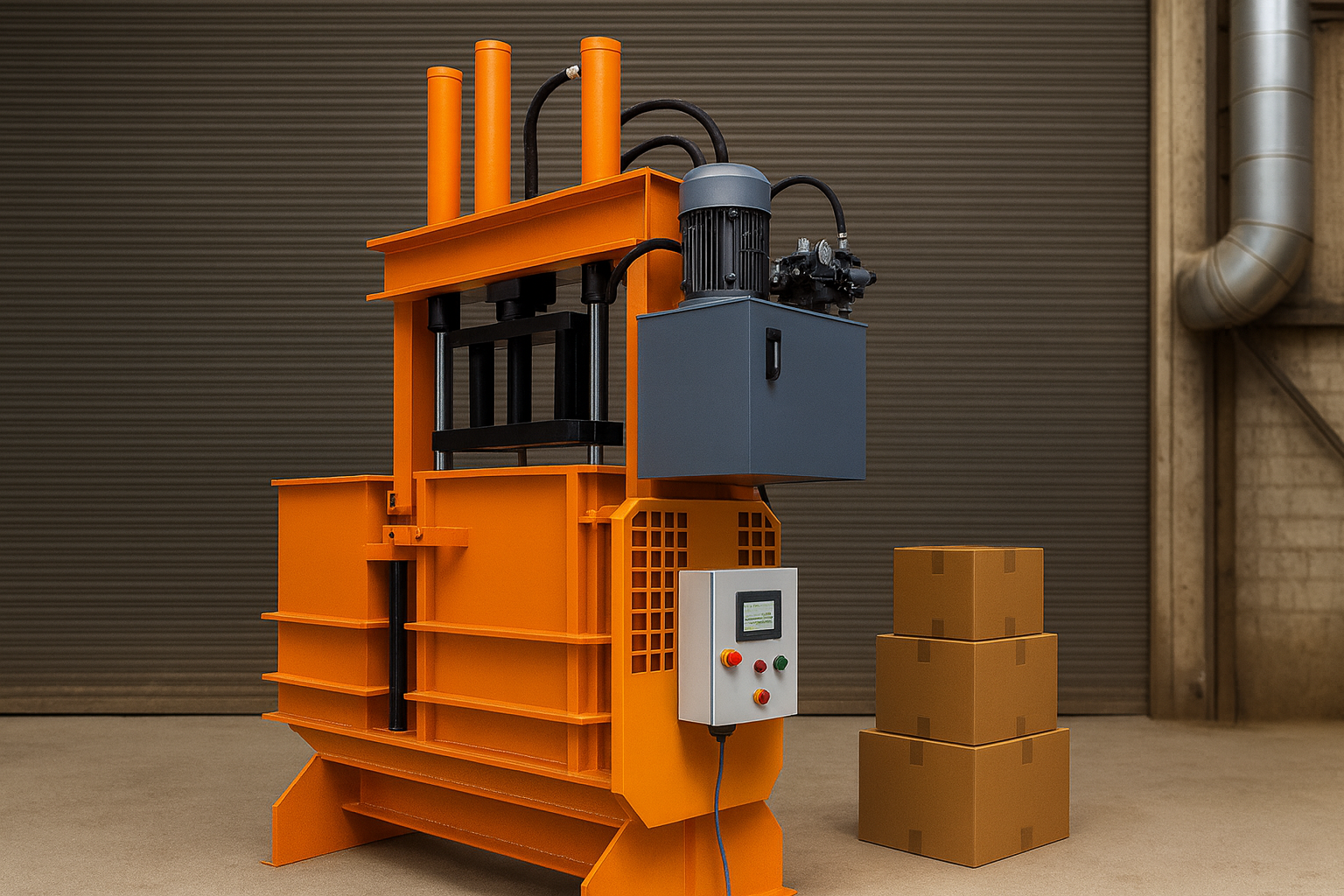

SINGLE CASE B6090
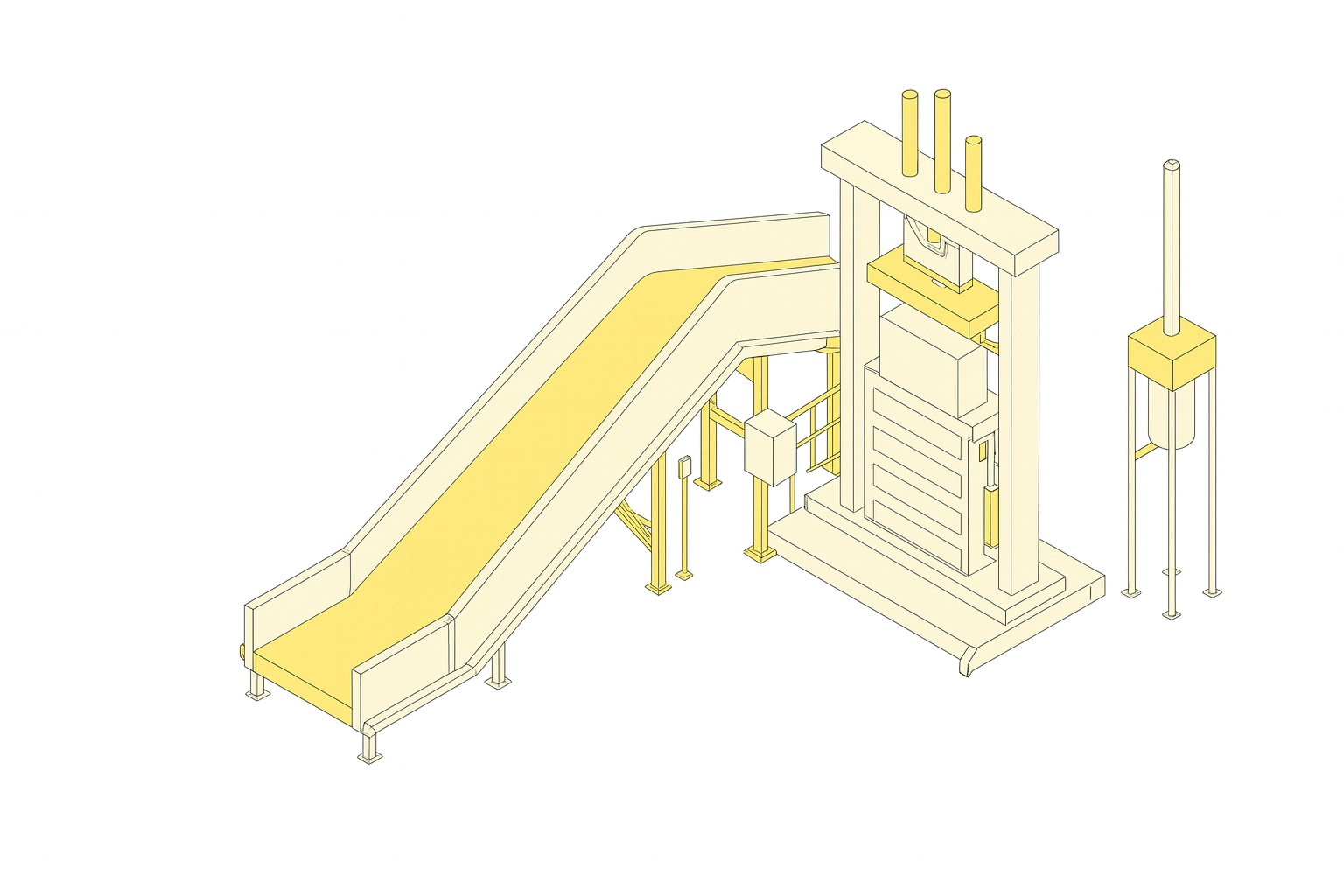
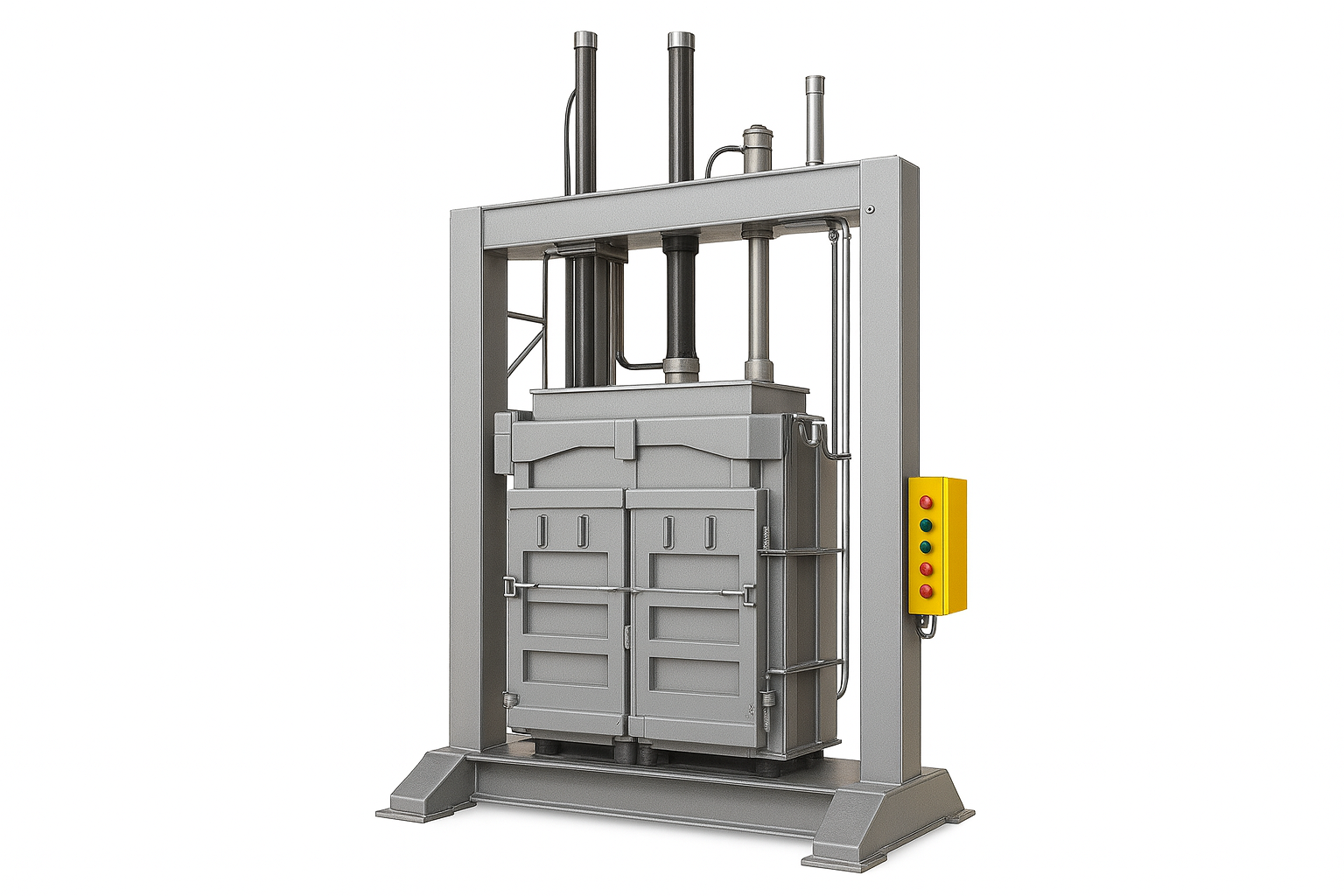
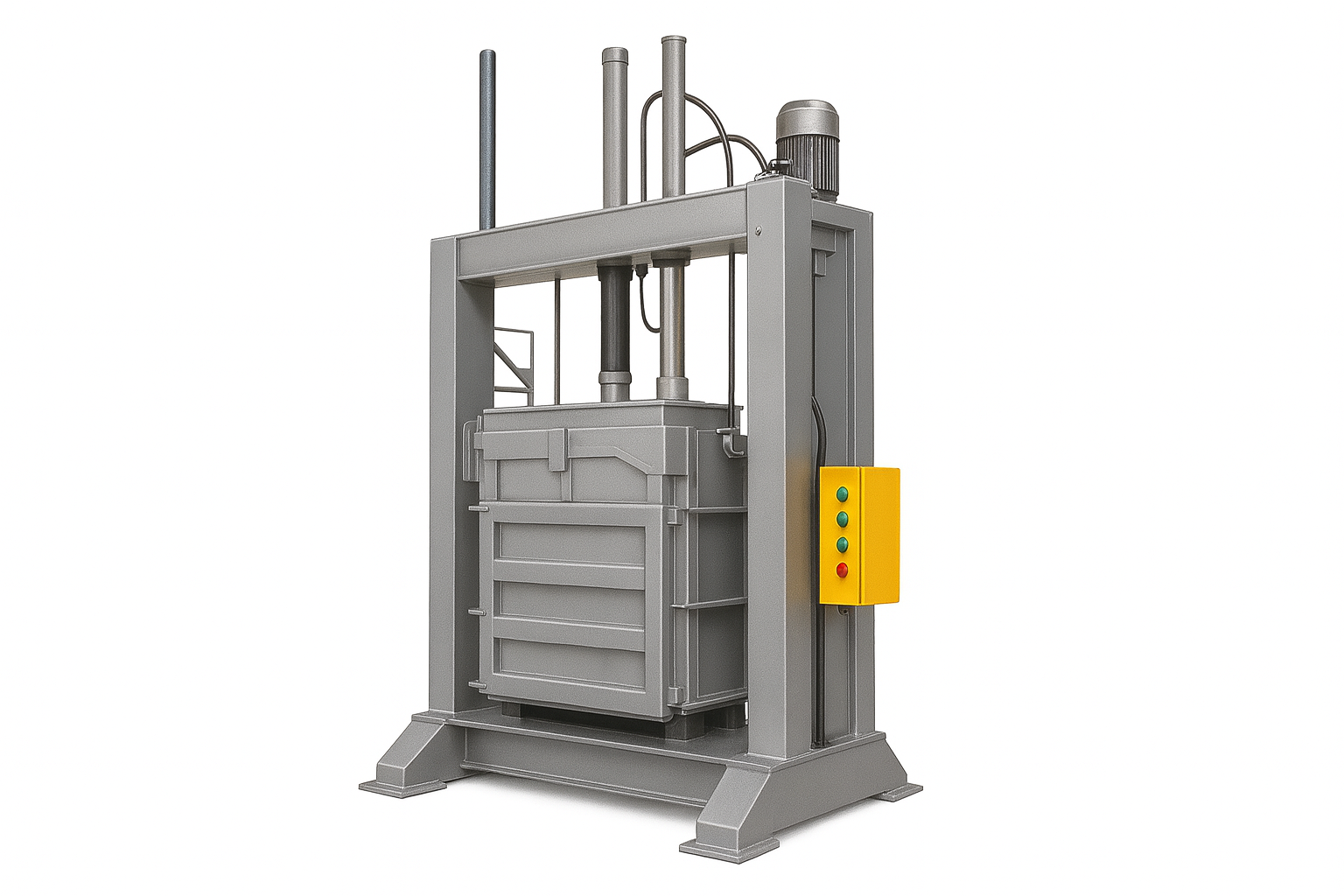
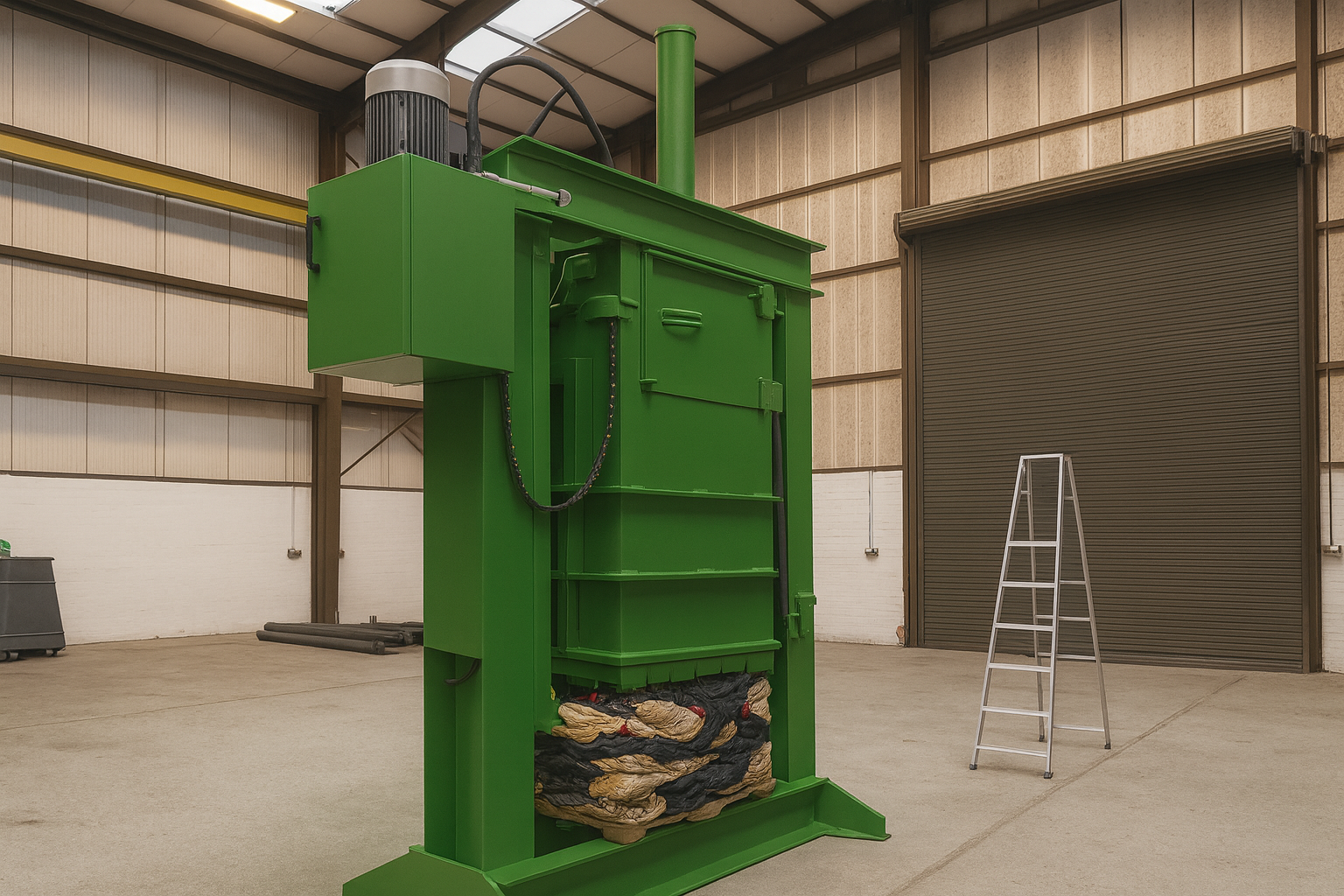
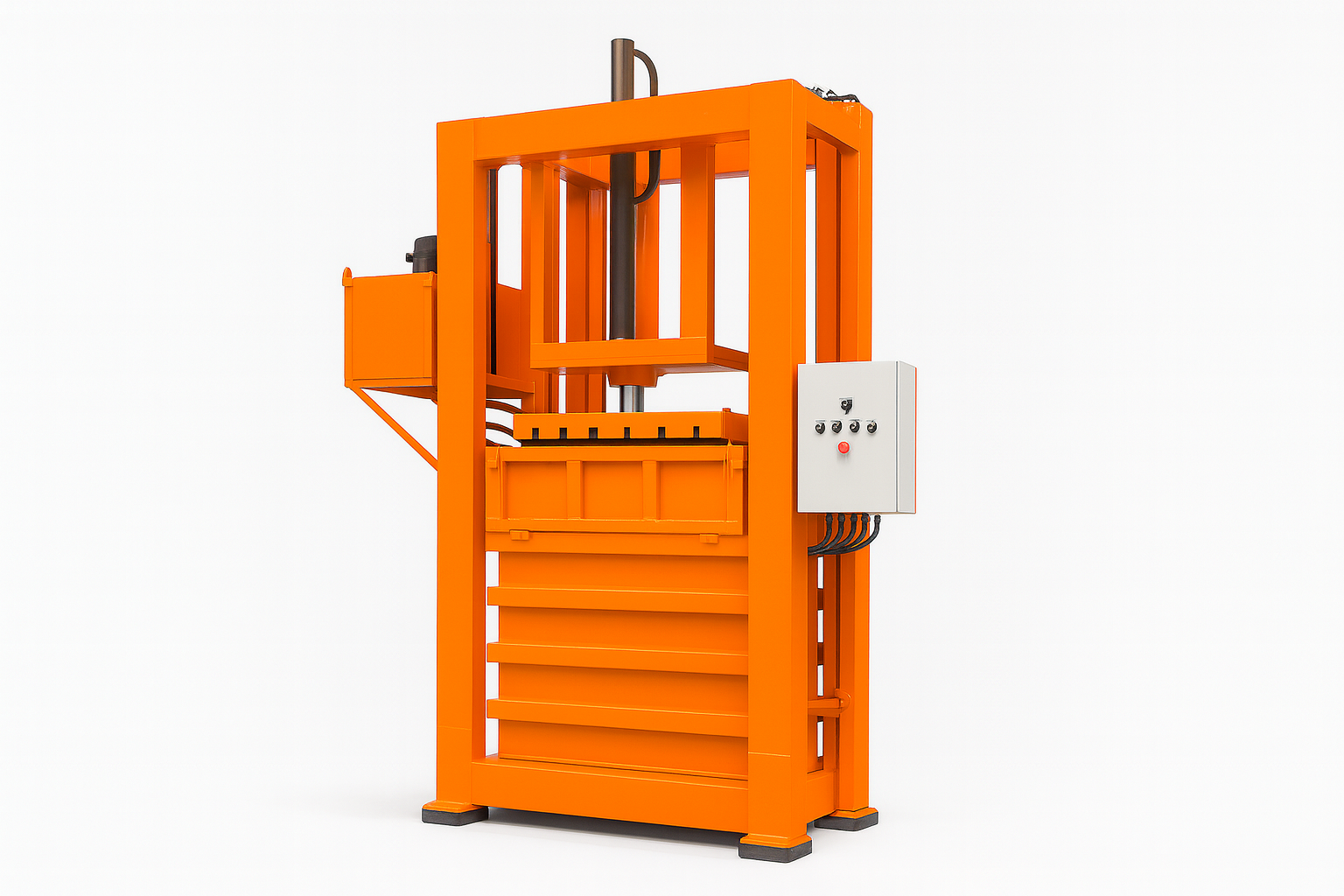
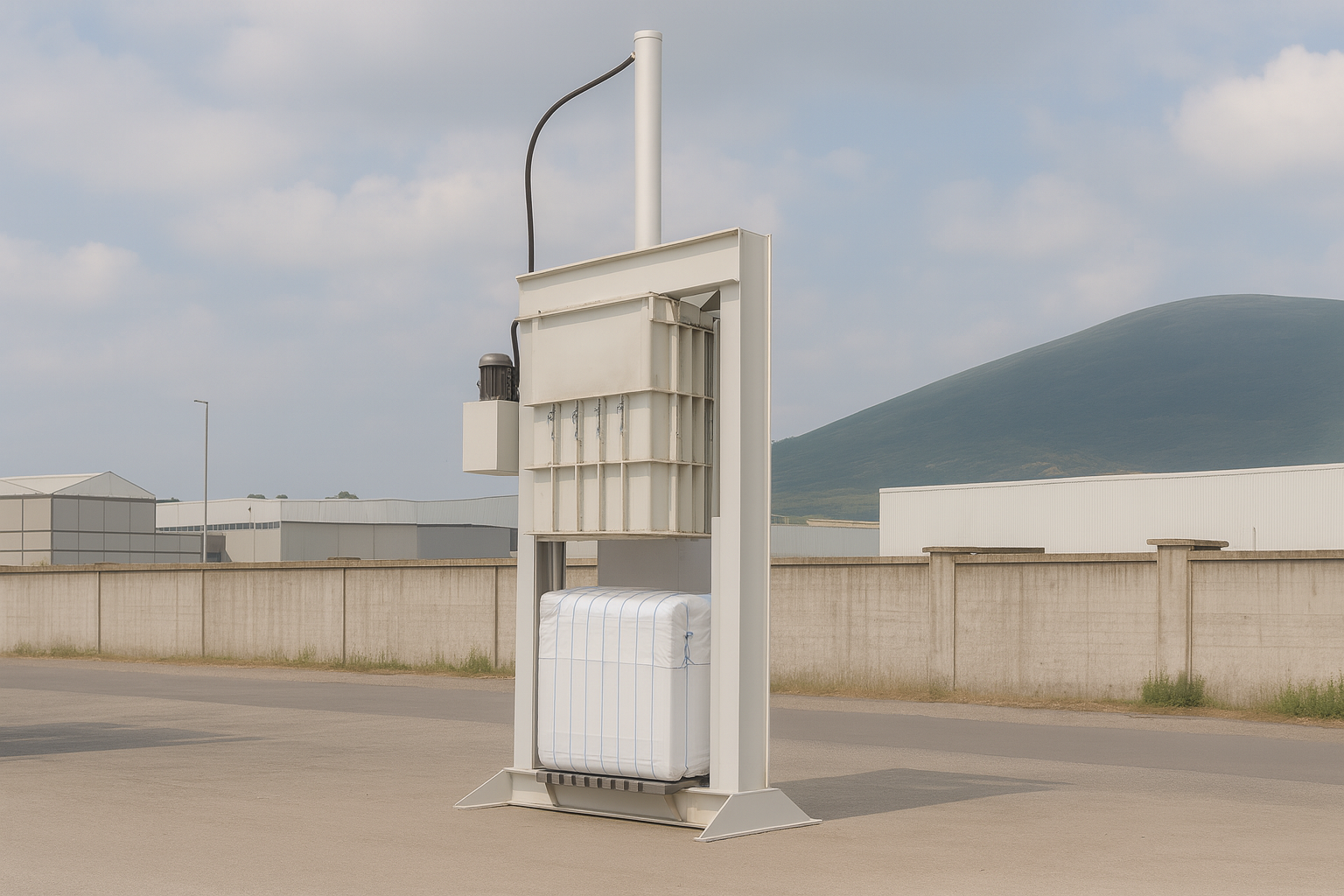
Textile baling presses are designed to compress bulky and easily transportable bales of materials such as cotton, fiber, yarn, textile waste, felt, and wool.
- SINGLE CASE BALER PRESS: 55 x 95 cm 200 KG 60 Tons 2 – 3 Bales / Hour
- SINGLE CASE BALER PRESS: 60 x 90 cm 200 KG 60 Tons 2 – 3 Bales / Hour
- SINGLE CASE BALER PRESS: 70 x 110 cm 240 KG 60 Tons 2 – 3 Bales / Hour
- SINGLE CASE BALER PRESS: 55 x 95 cm 220 KG 100 Tons 2 – 3 Bales / Hour
- SINGLE CASE BALER PRESS: 70 x 110 cm 280 KG 100 Tons 2 – 3 Bales / Hour
- SINGLE CASE BALER PRESS: 70 x 110 cm 330 KG 150 Tons 3 – 4 Bales / Hour
Textile Bale Press Machine – Air-Filled Soft Material – SINGLE CASE B6090
“Thanks to our machine, which is specially designed for compressing bulky materials such as cotton, fiber, synthetic yarn, textile scraps and wool, you can minimize your shipping costs while saving storage space.”
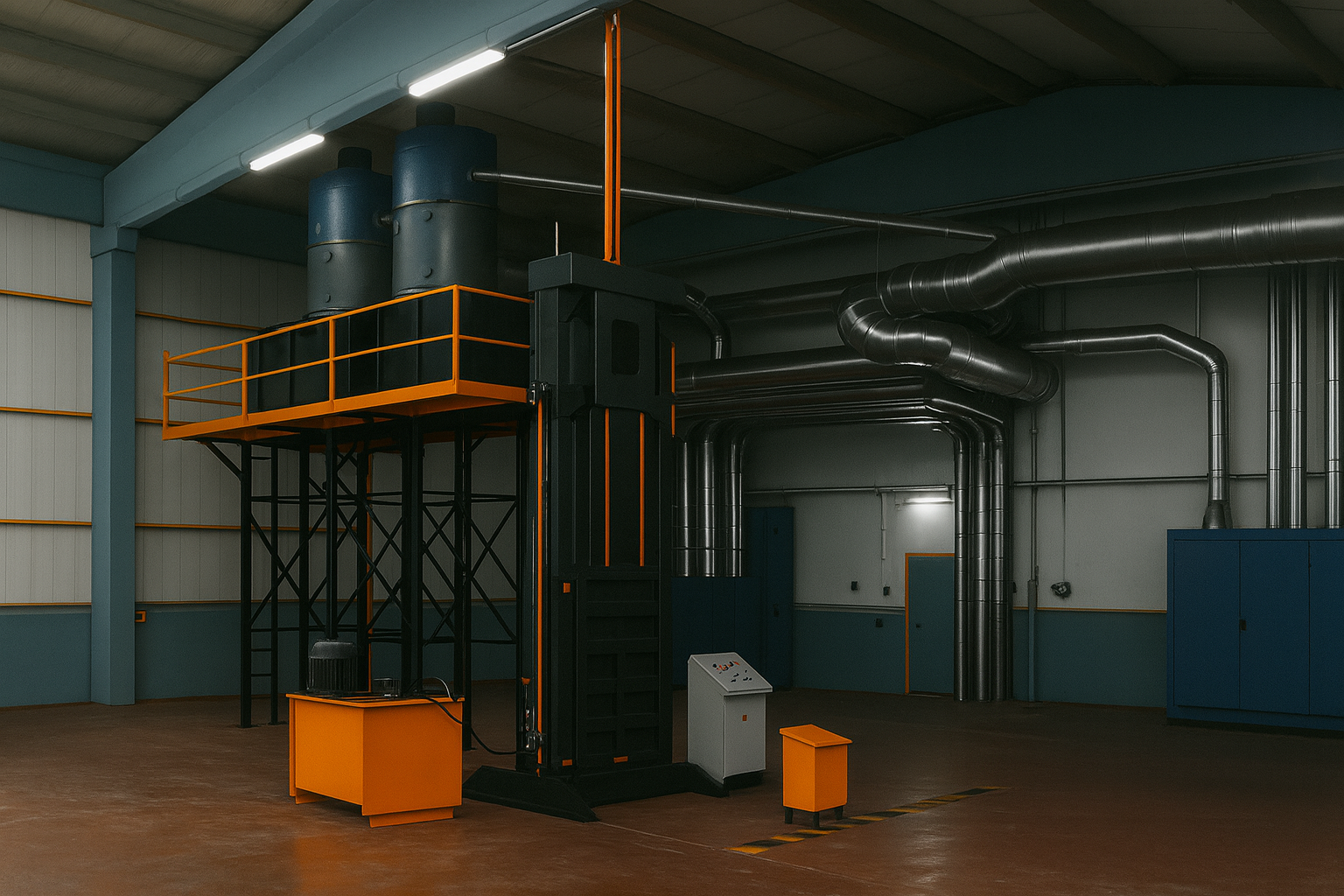
Textile bale press machines are specialized equipment used to compress lightweight and bulky textile waste or raw materials such as cotton, fiber, felt, and wool, making them more compact and transportable. These machines provide significant convenience, particularly in recycling facilities, textile production workshops, spinning mills, mattress production facilities, and agricultural areas. The compression process significantly reduces the volume of the materials, resulting in significant savings in both storage and transportation costs.
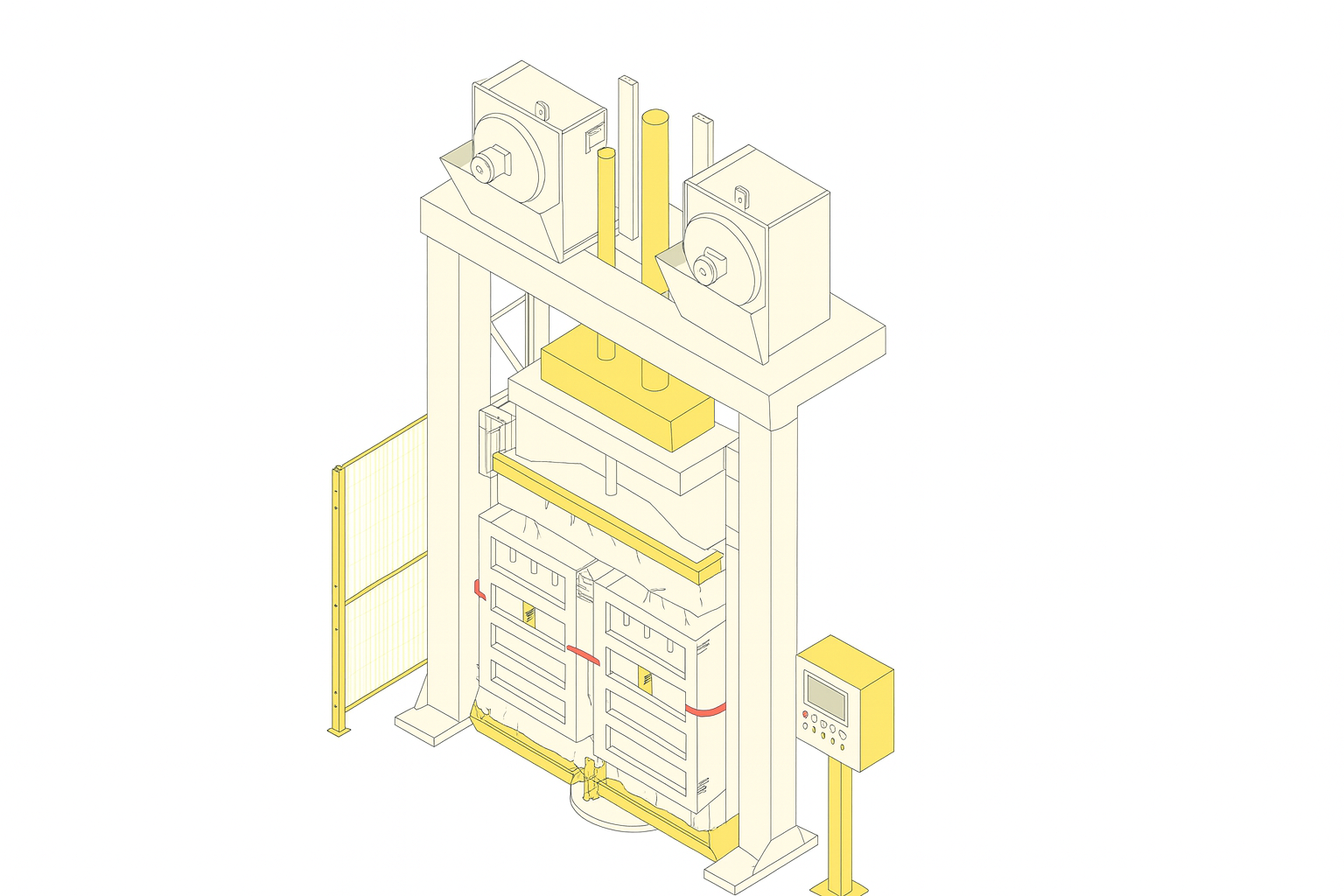
These machines are highly user-friendly and generally operate with hydraulic systems. The operator places soft textile materials in the hopper, closes the machine door, and initiates the pressing process. The pressure applied by the hydraulic piston compresses the material to the specified extent. The bale is then secured with binding wires or twine and removed. This process can be performed both manually and with semi-automatic systems.
Bale presses also offer advantages in terms of occupational safety, preventing the uncontrolled spread of waste and keeping the worksite tidy. They also play a crucial role in the initial stages of the recycling process, supporting sustainable production. They contribute to both environmentally friendly practices and optimize production processes. It is an indispensable solution for businesses looking to increase efficiency in the textile industry.