
Prem200
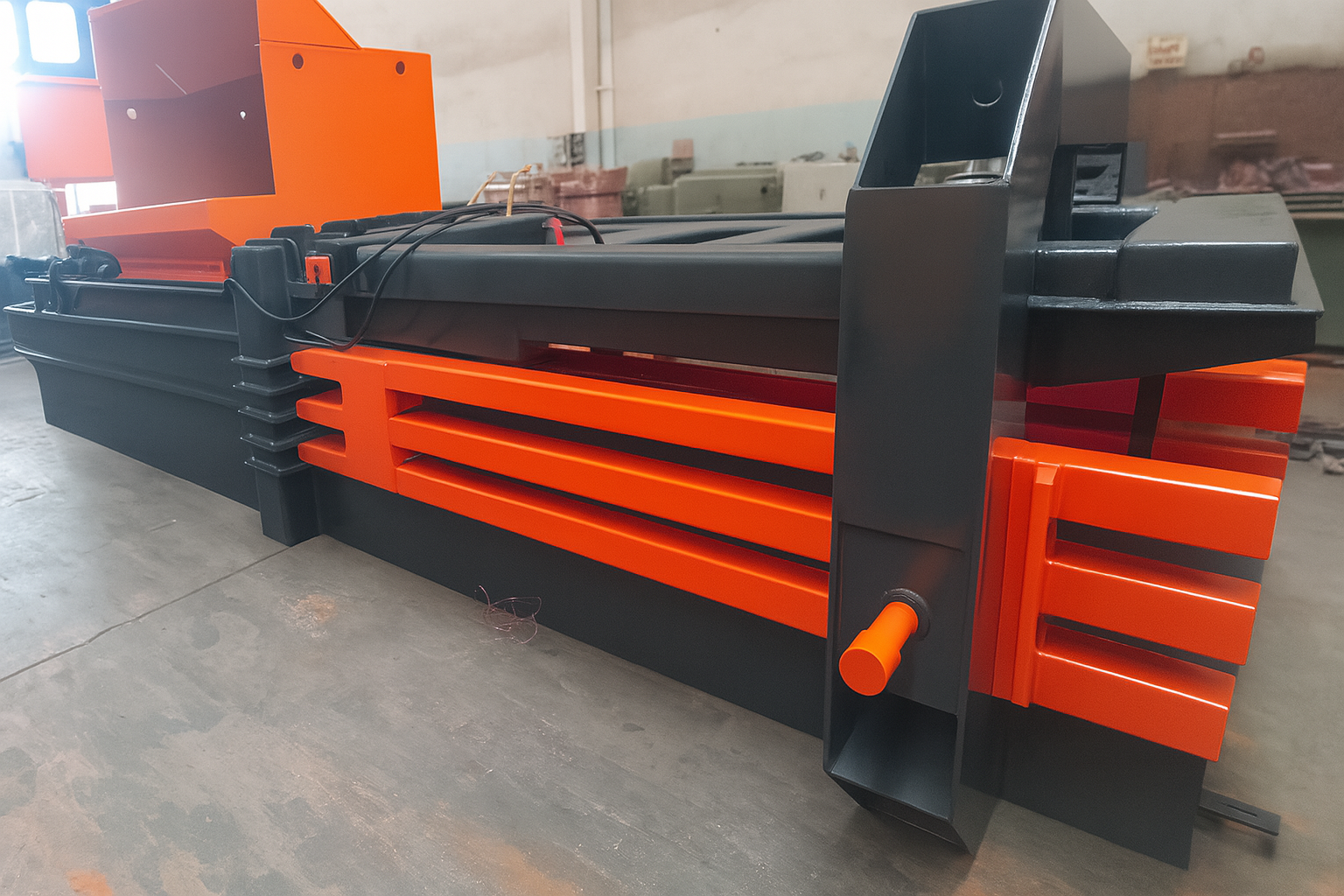
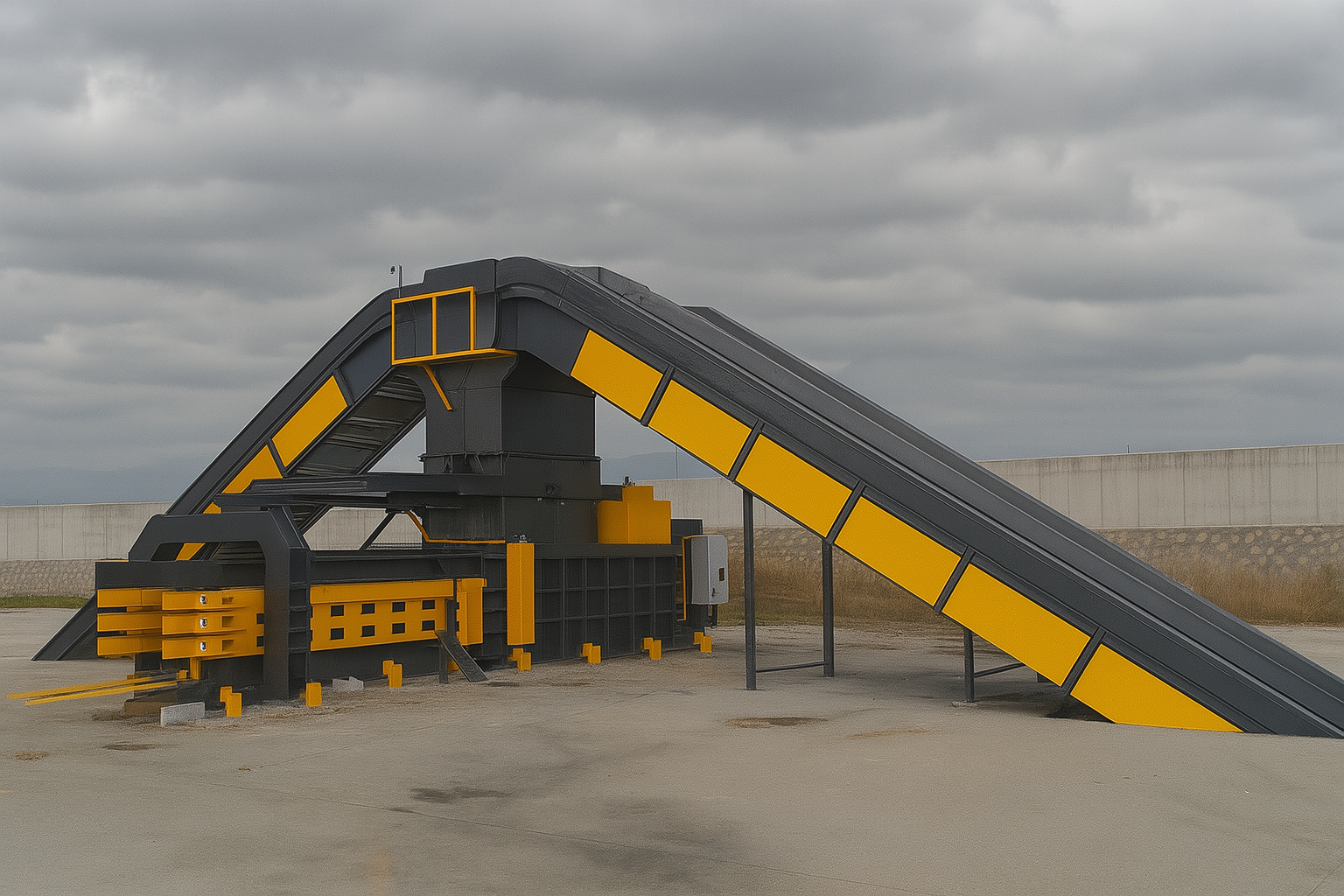
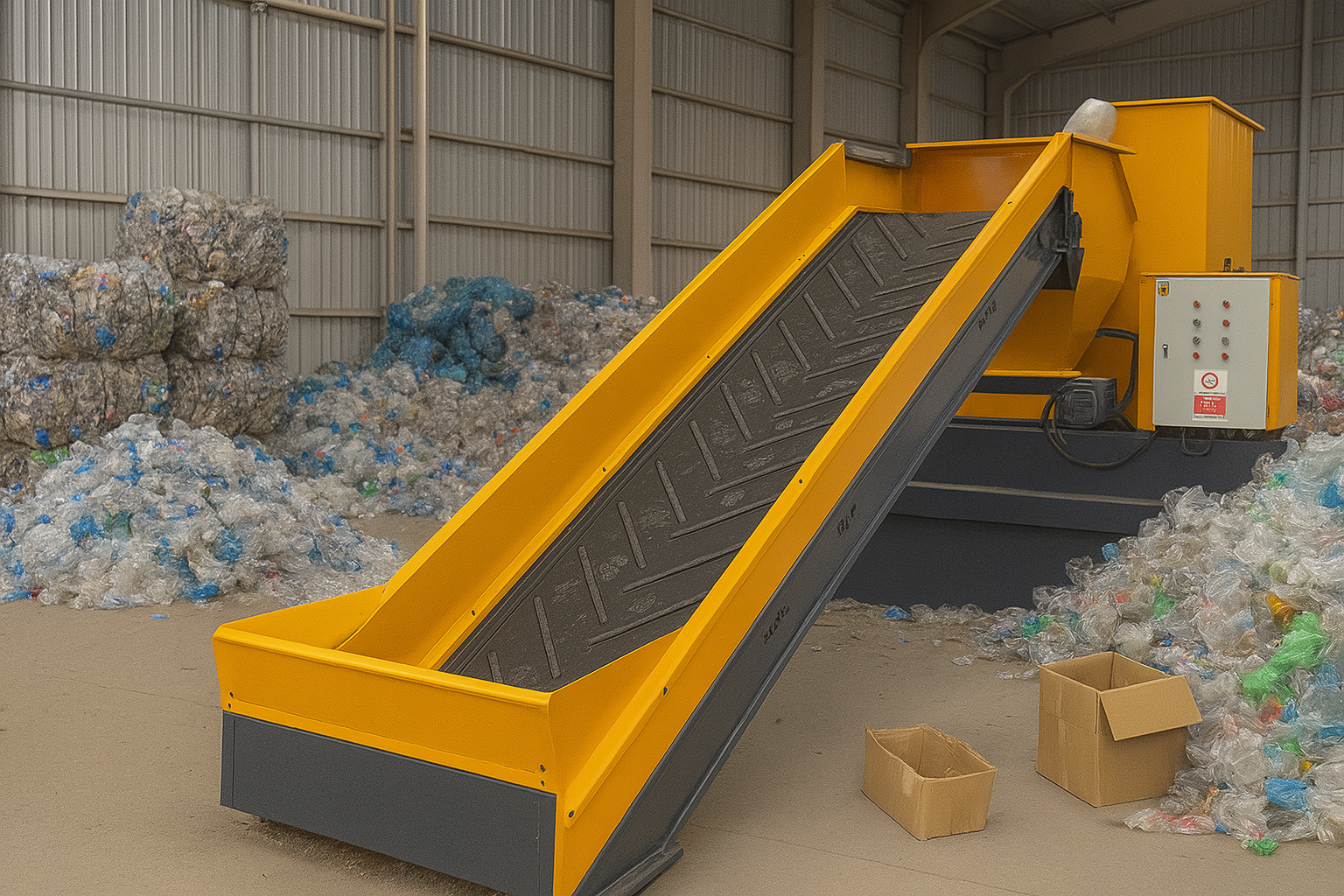
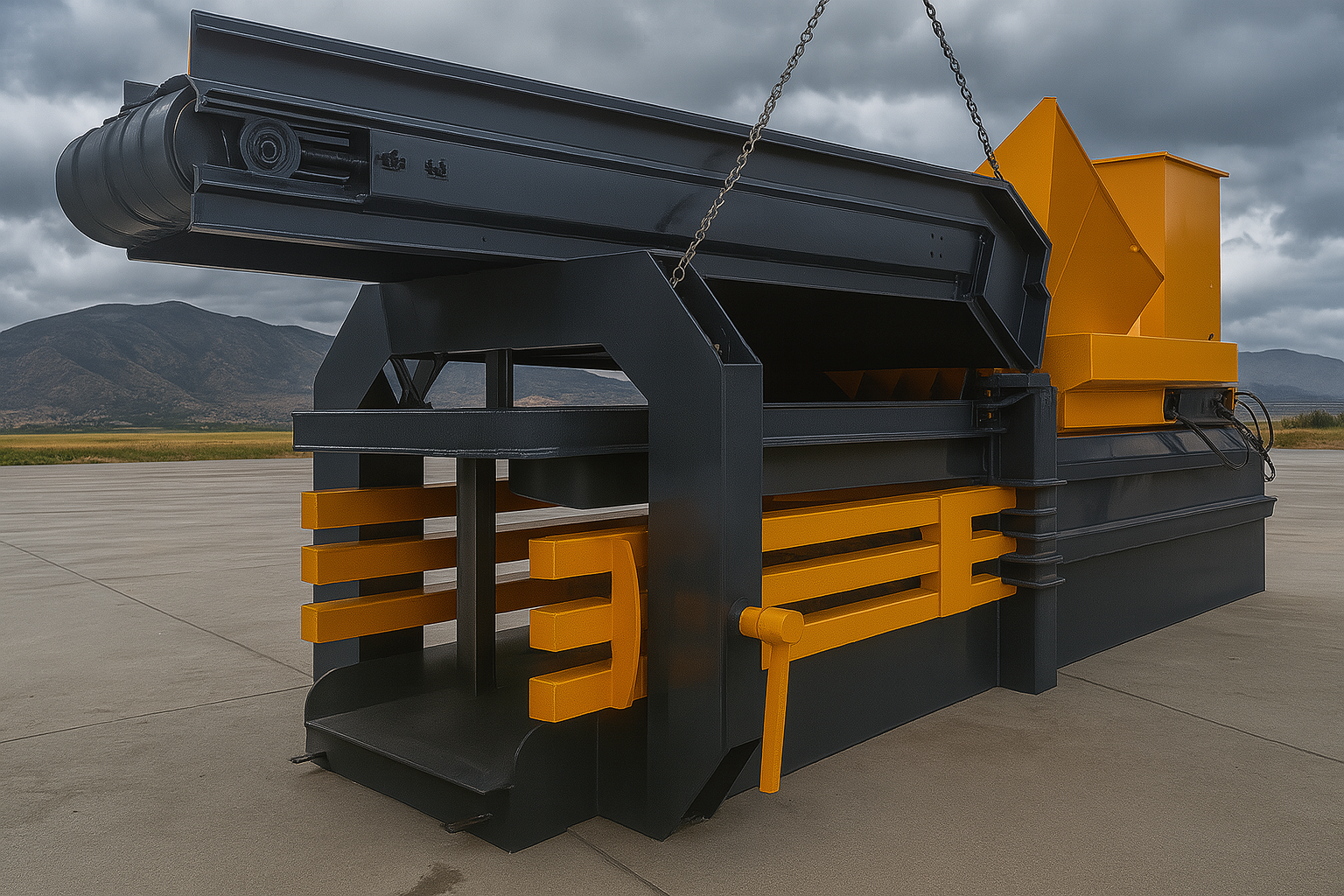
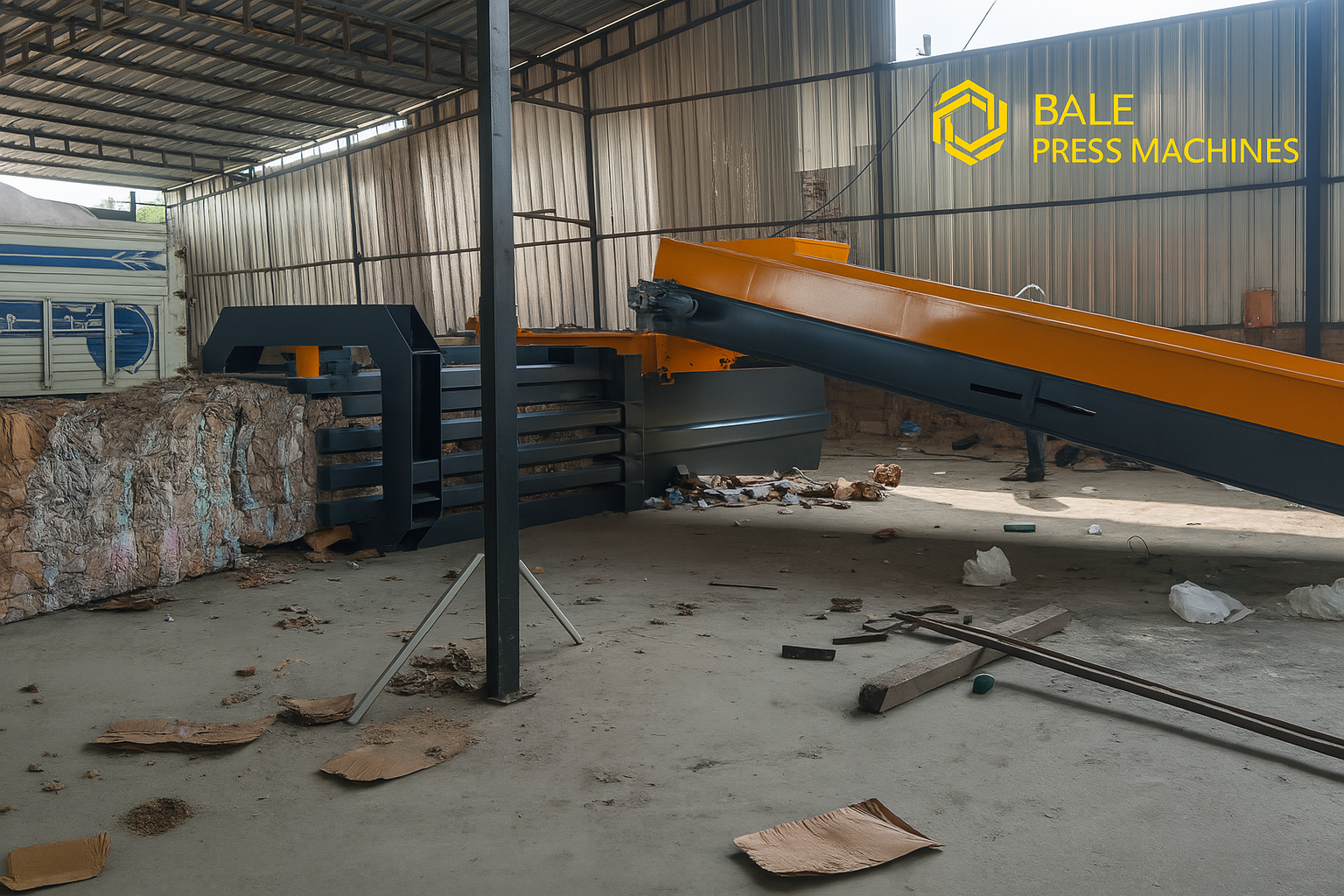
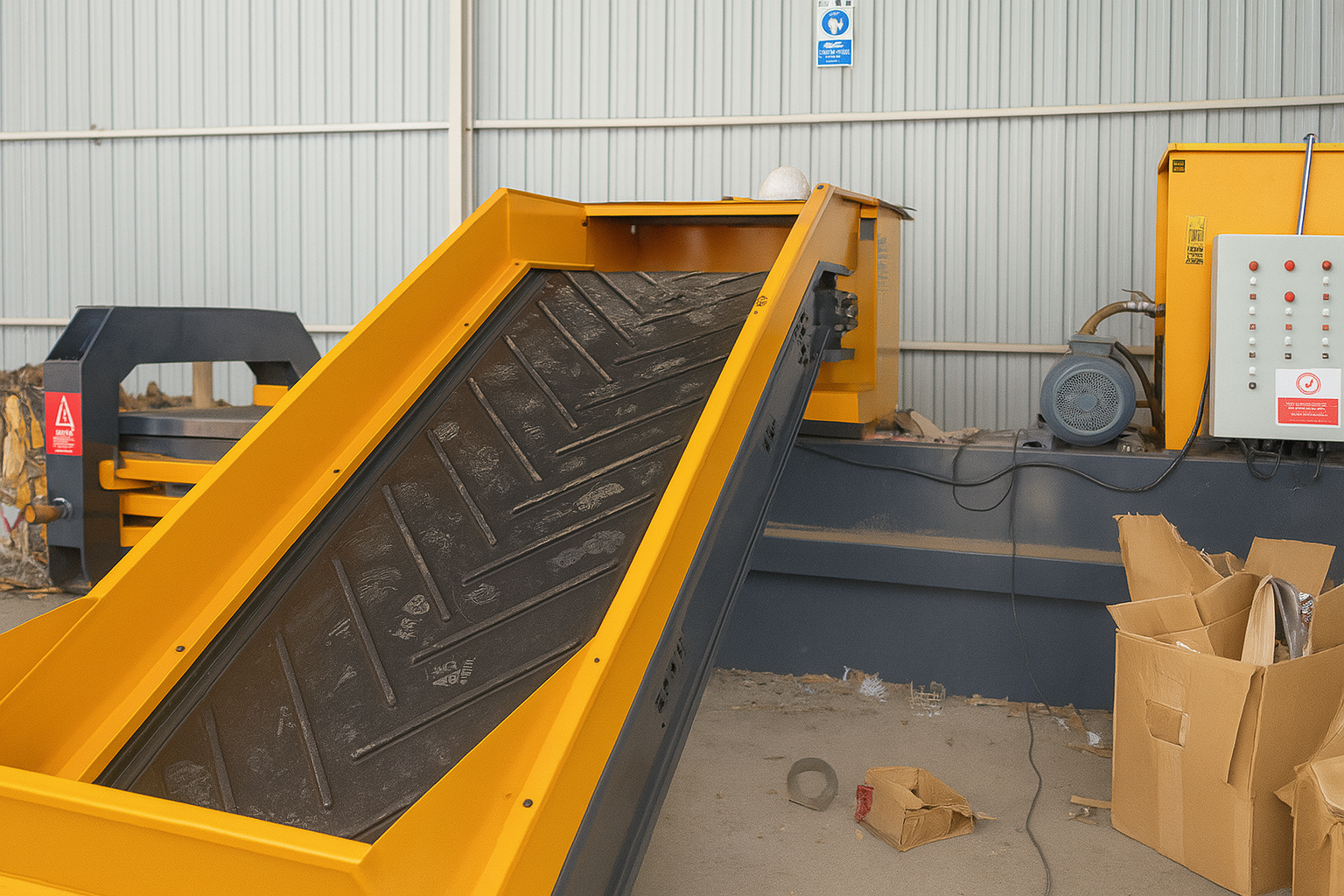
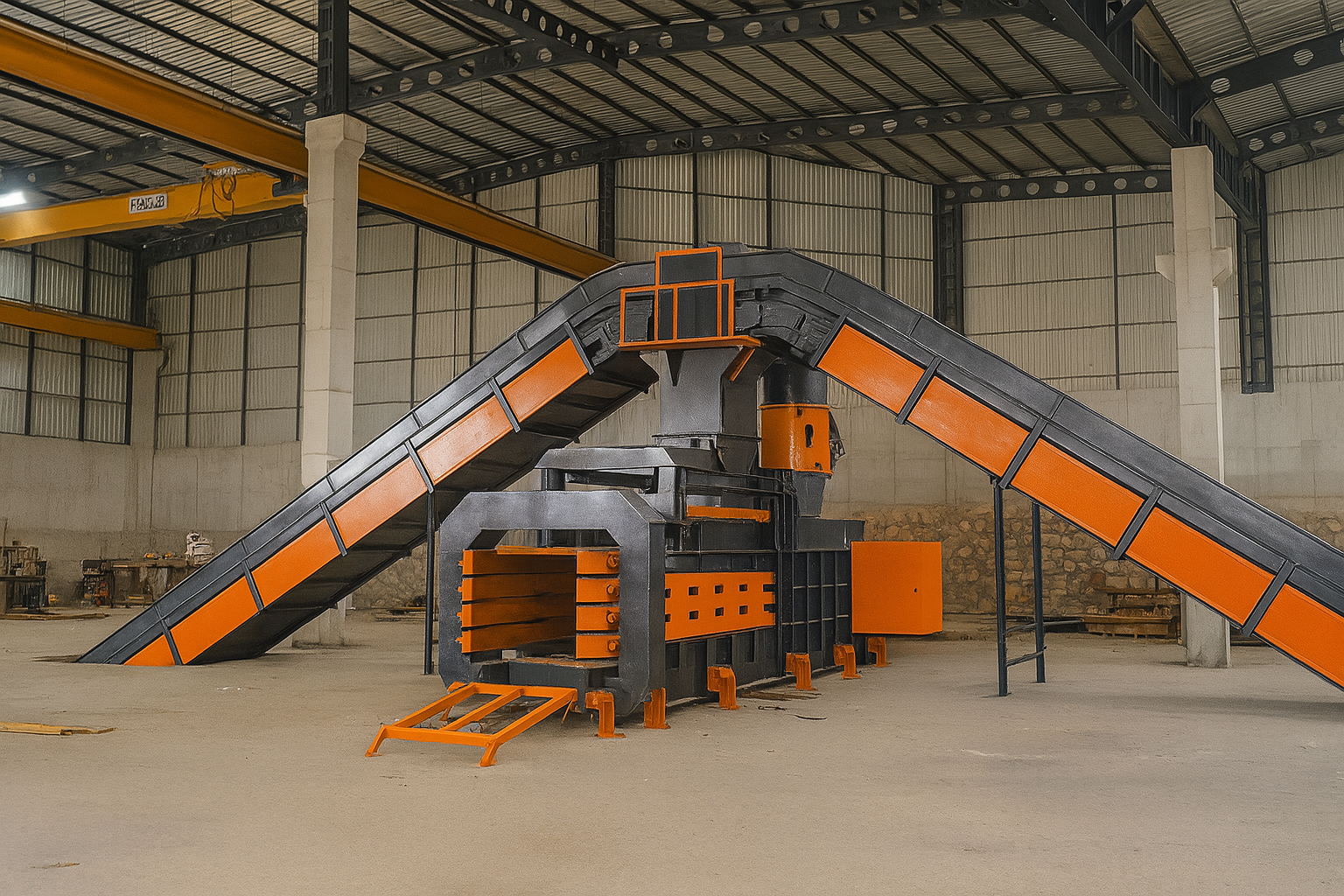
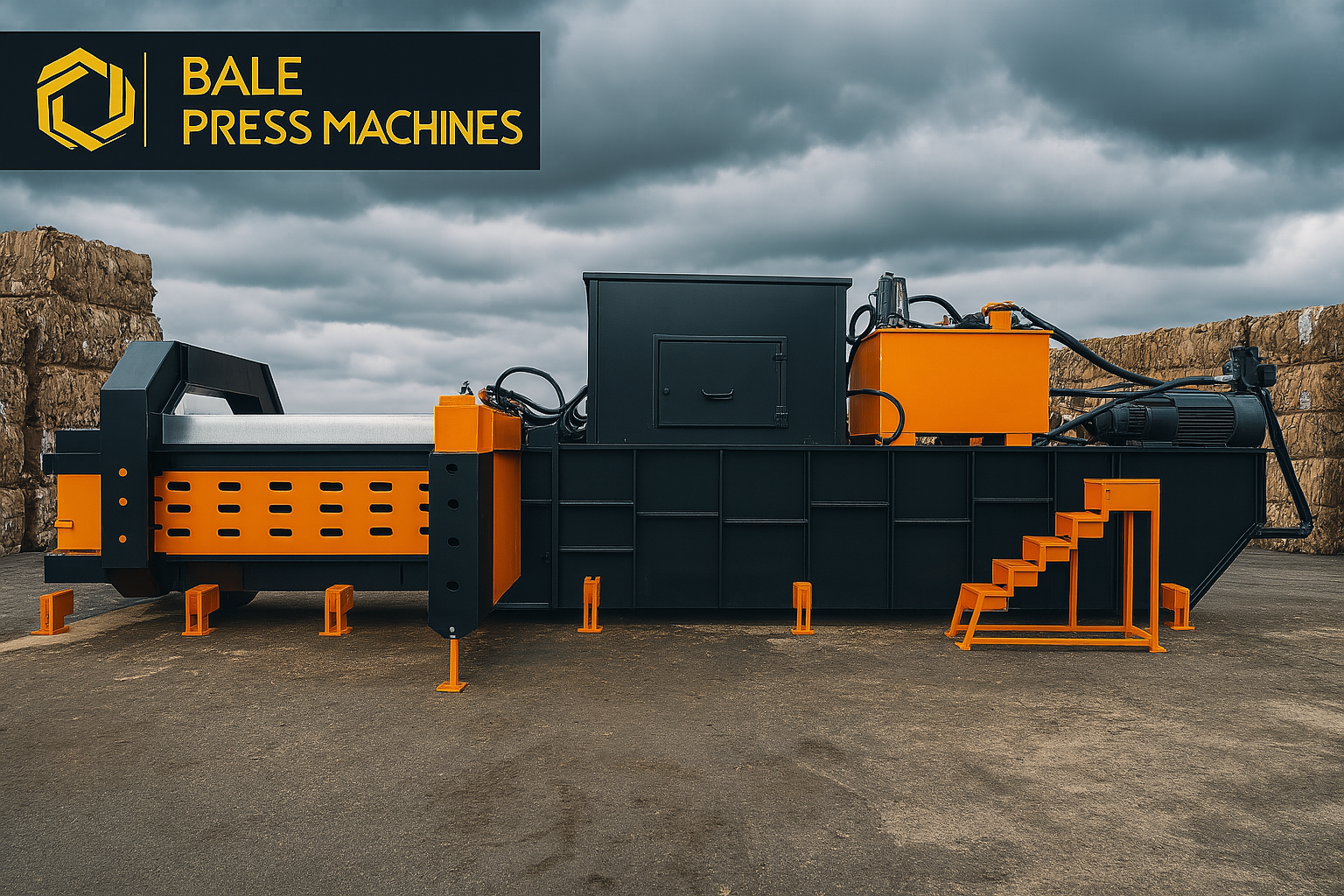
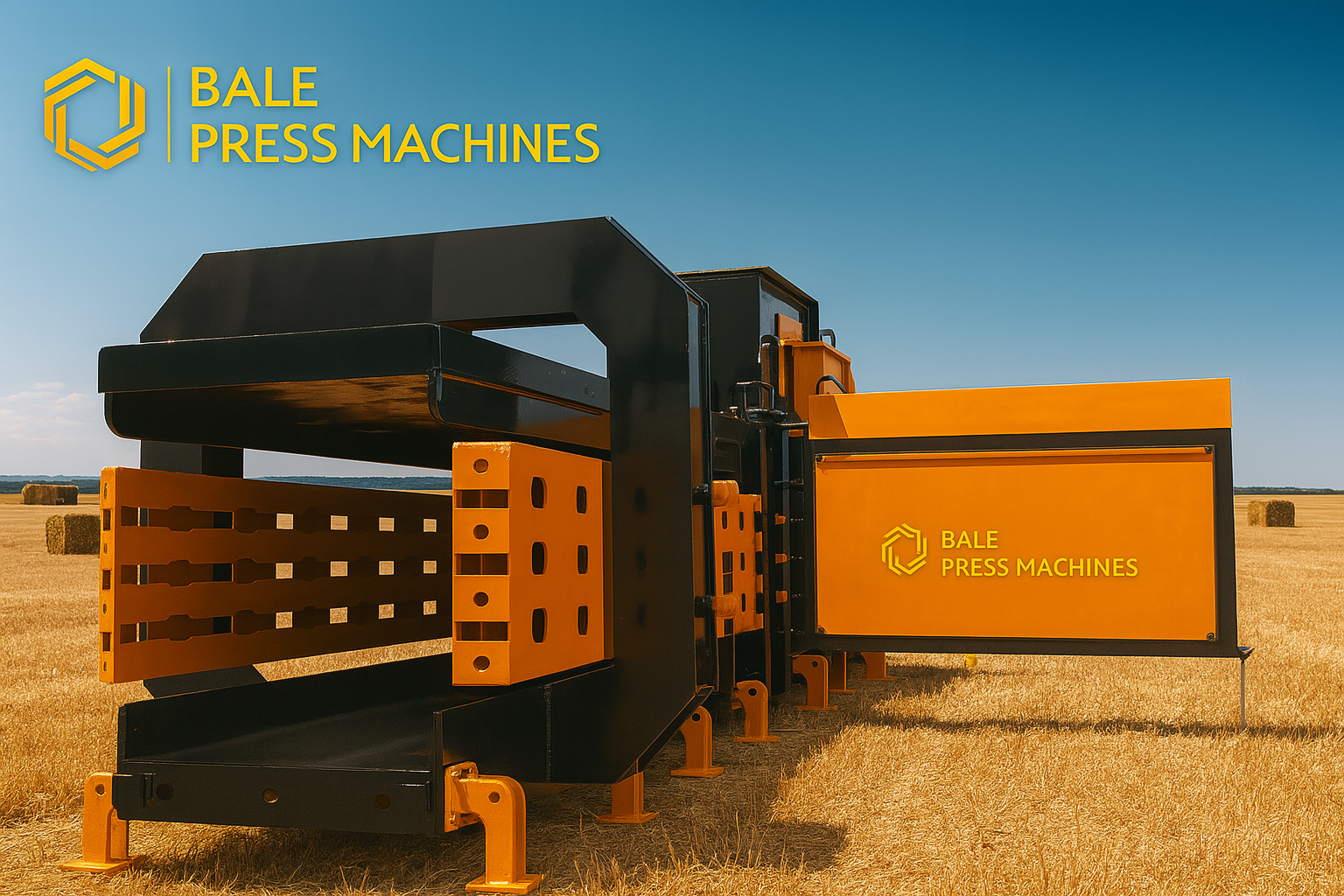
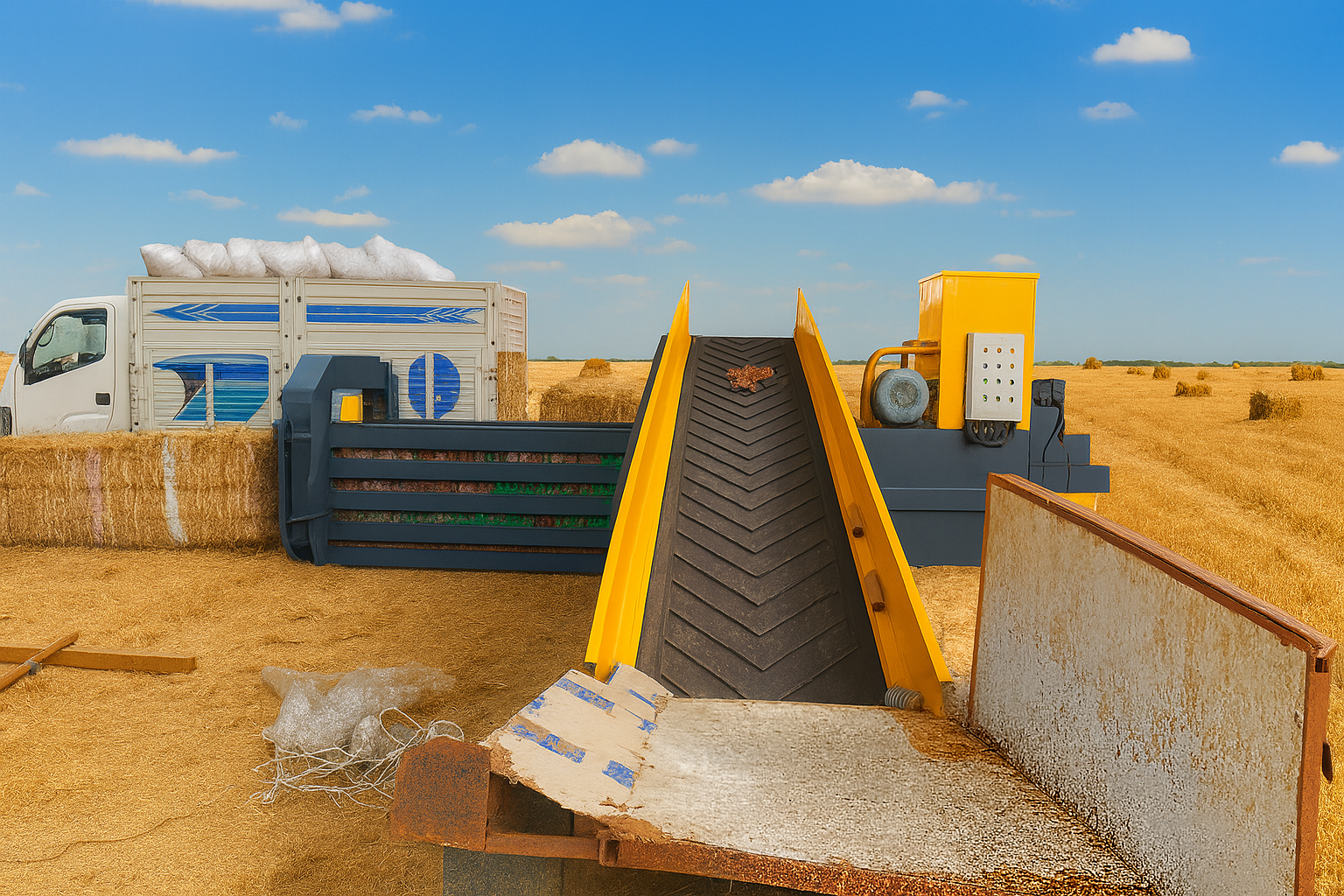
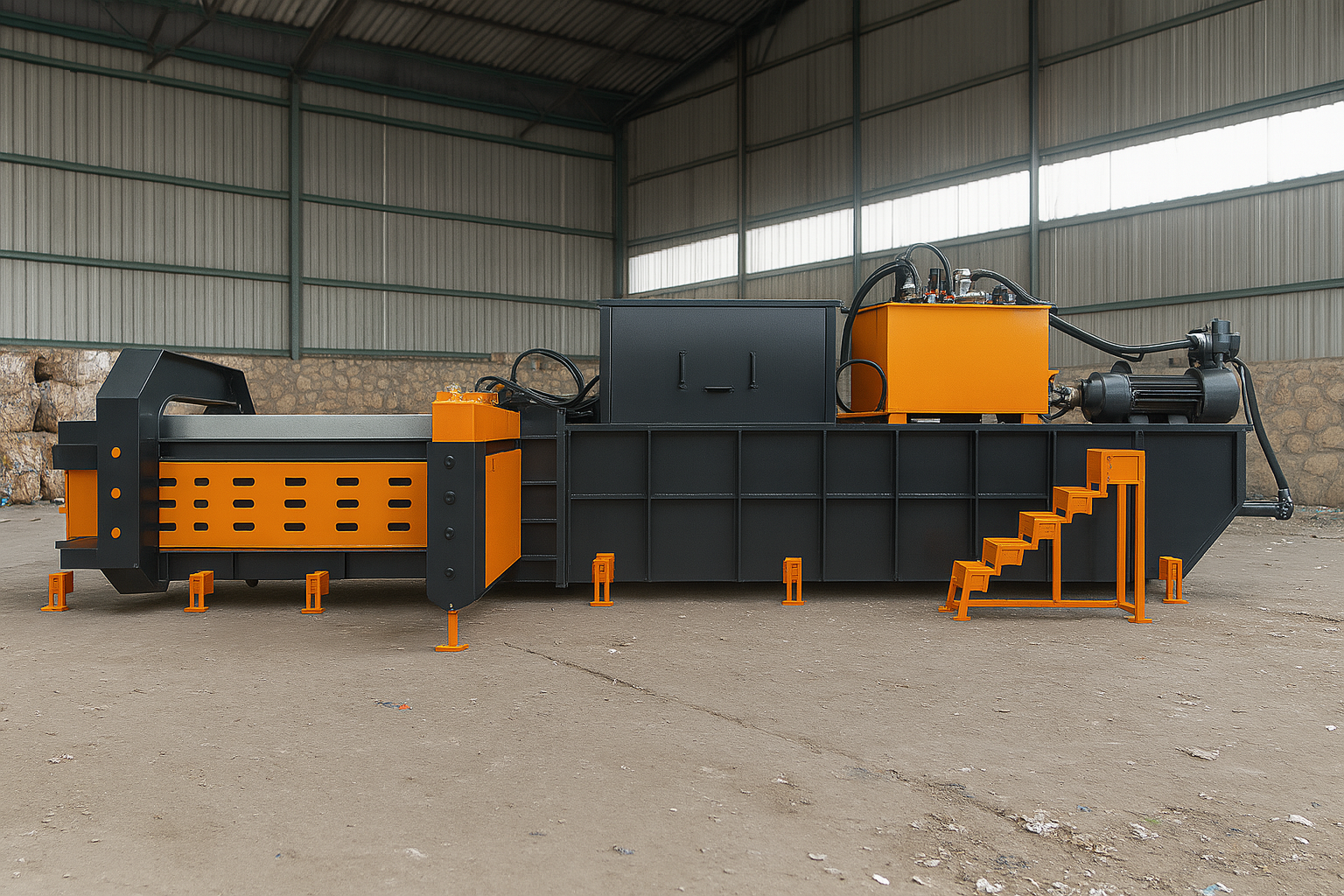
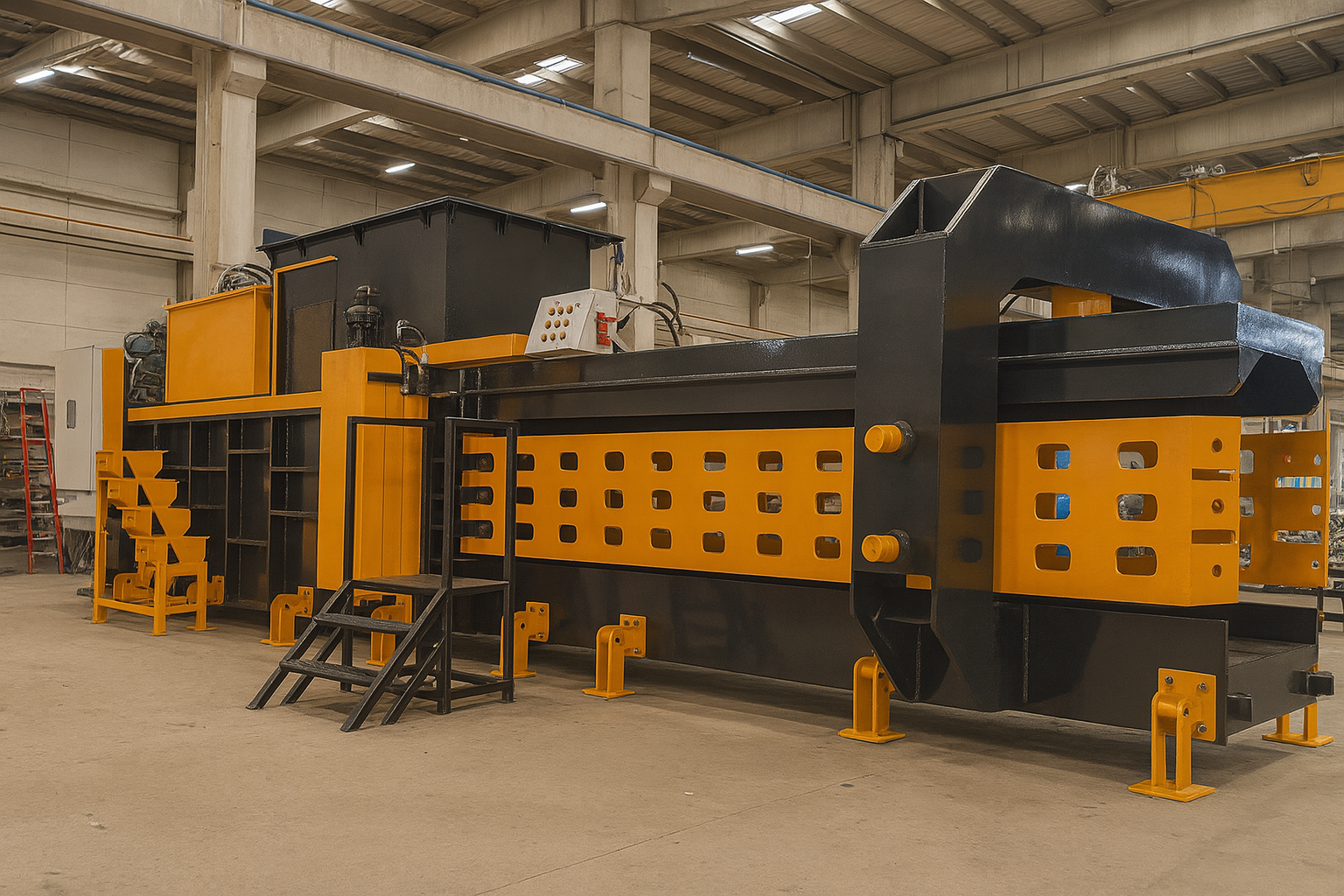
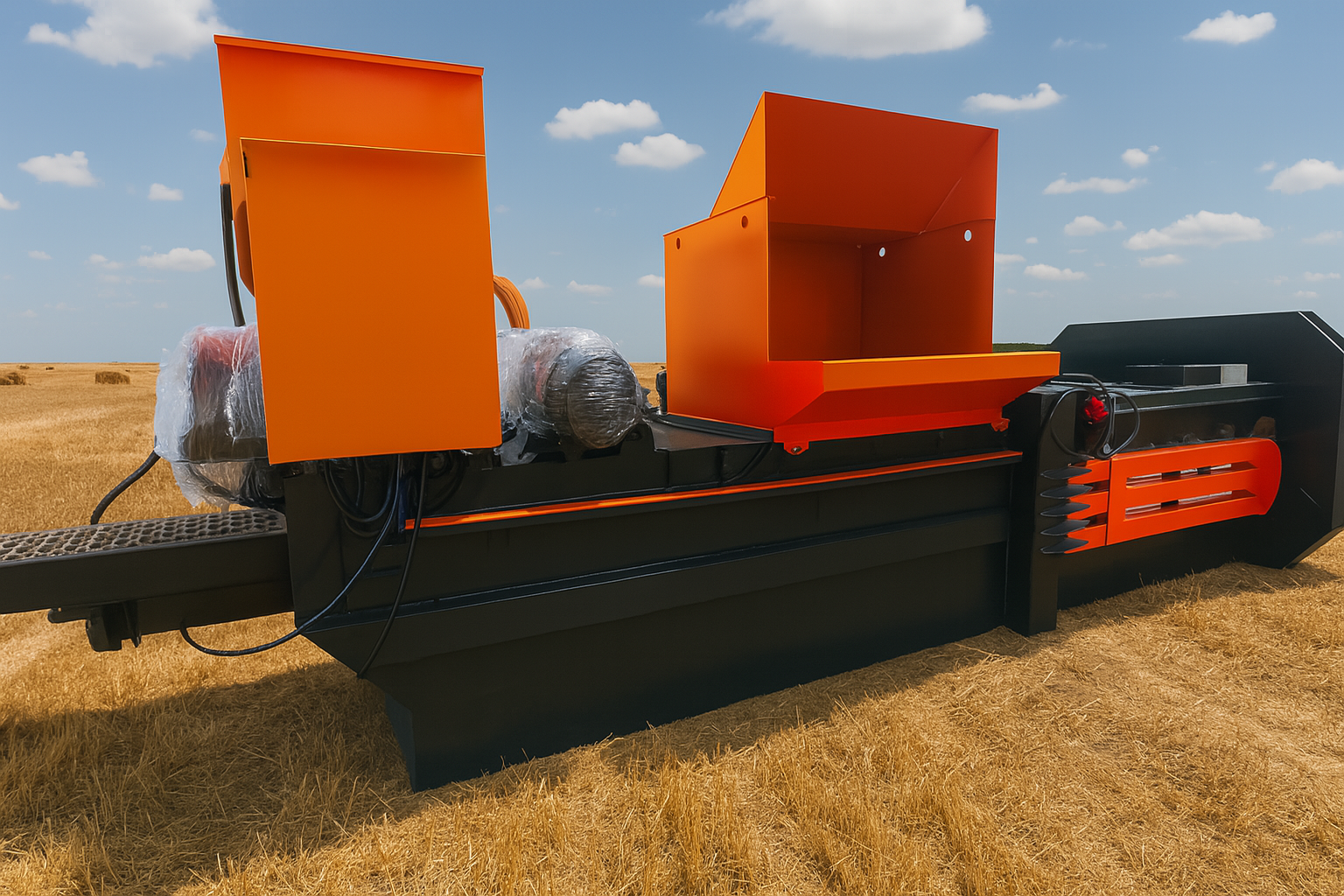
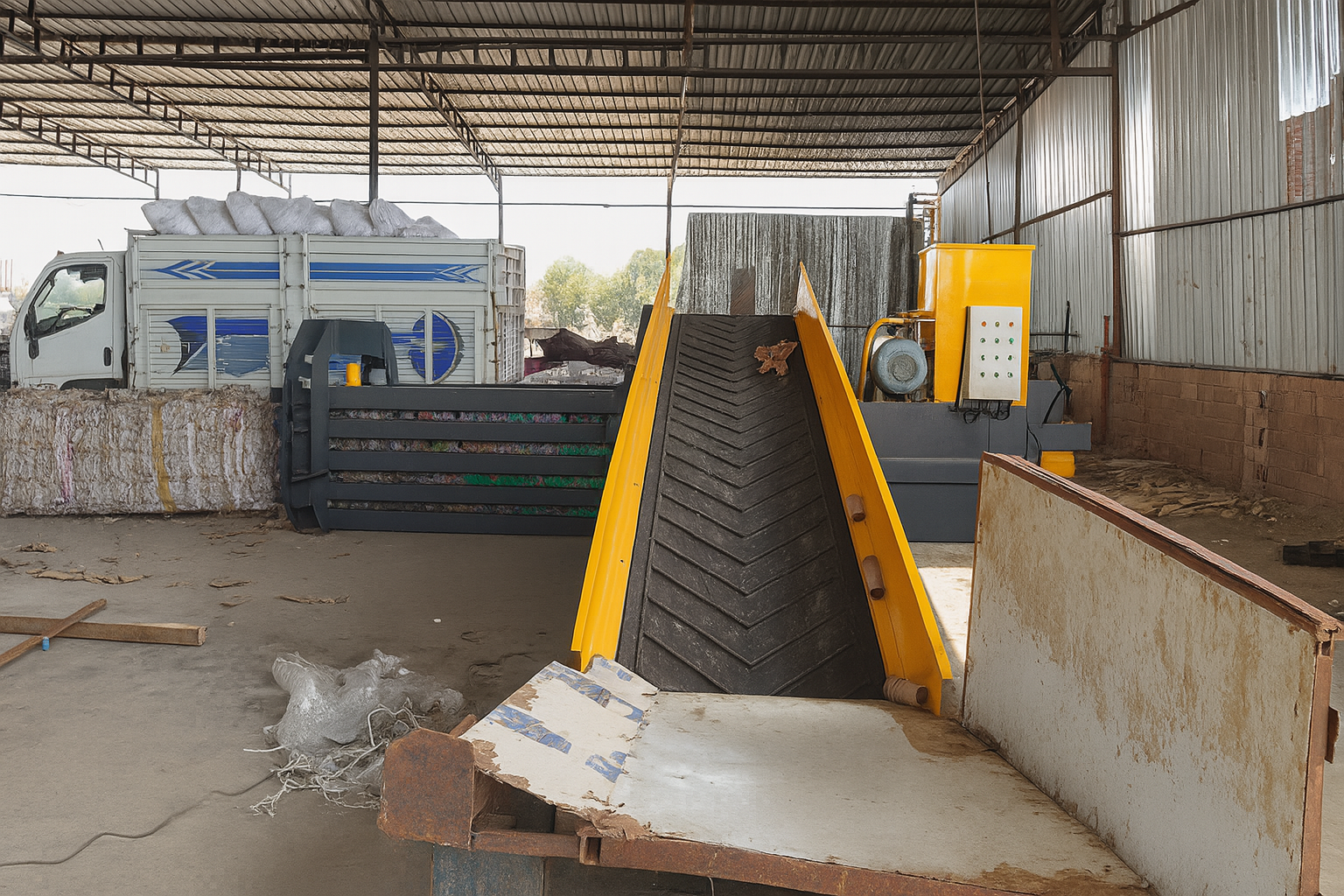
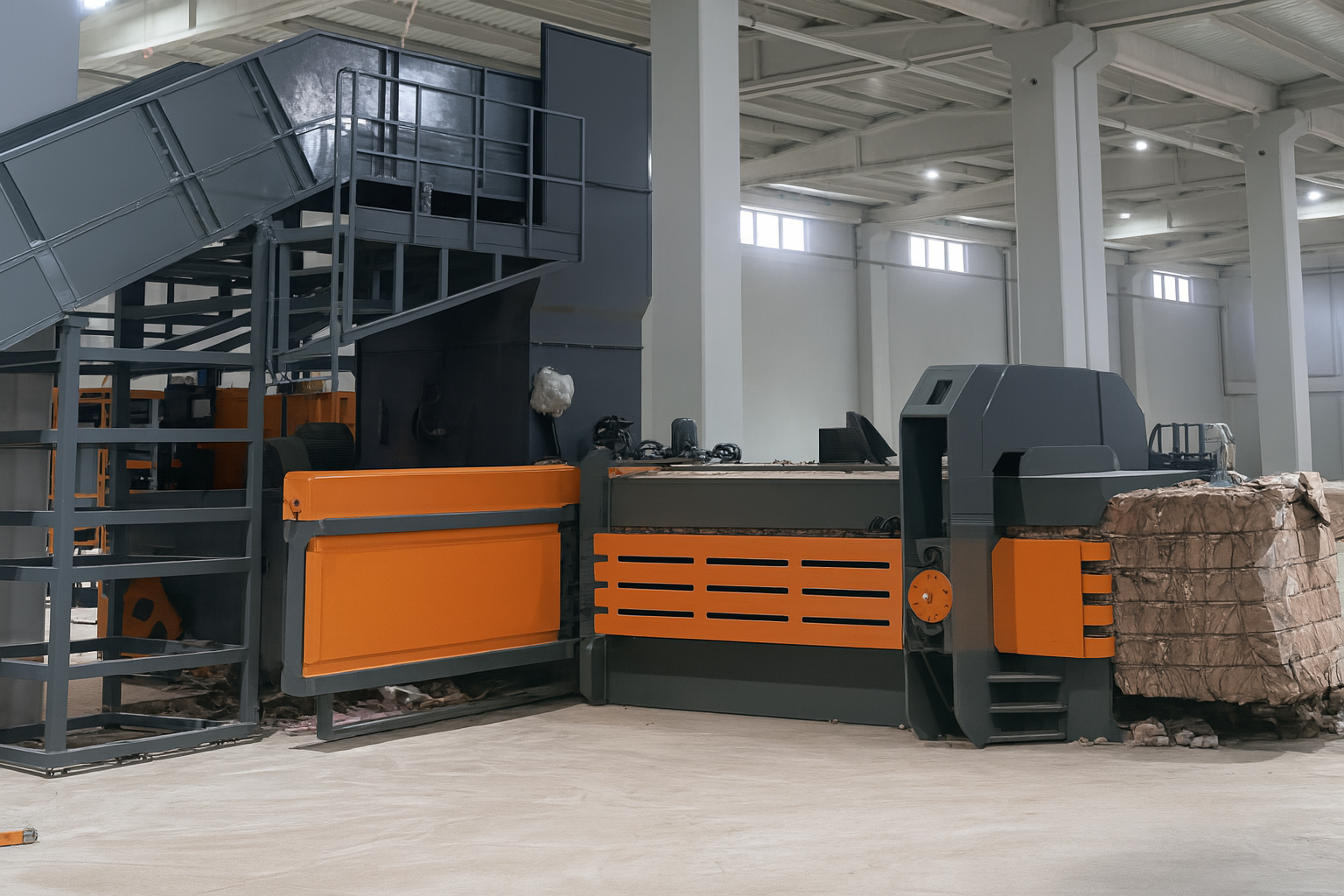
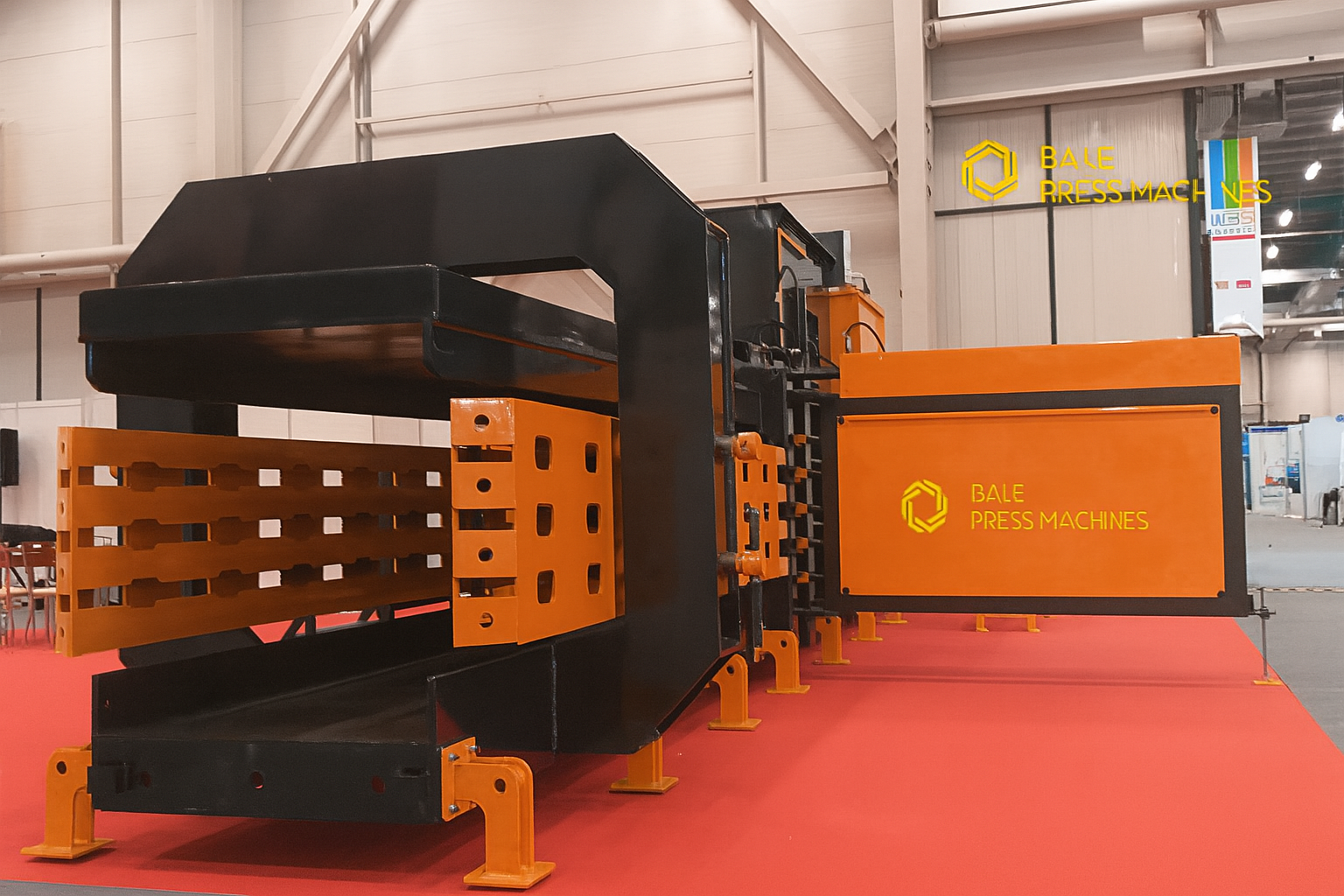
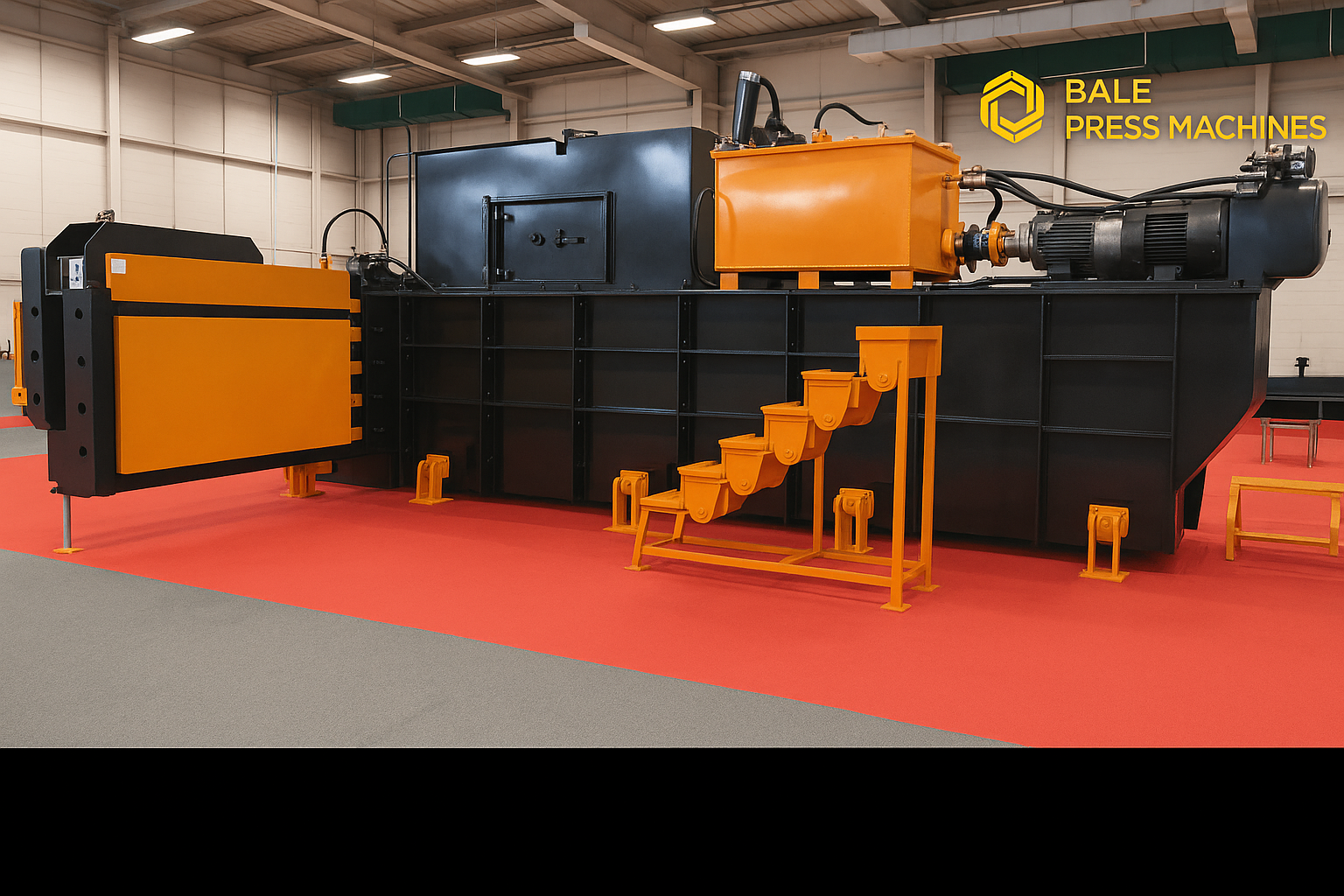
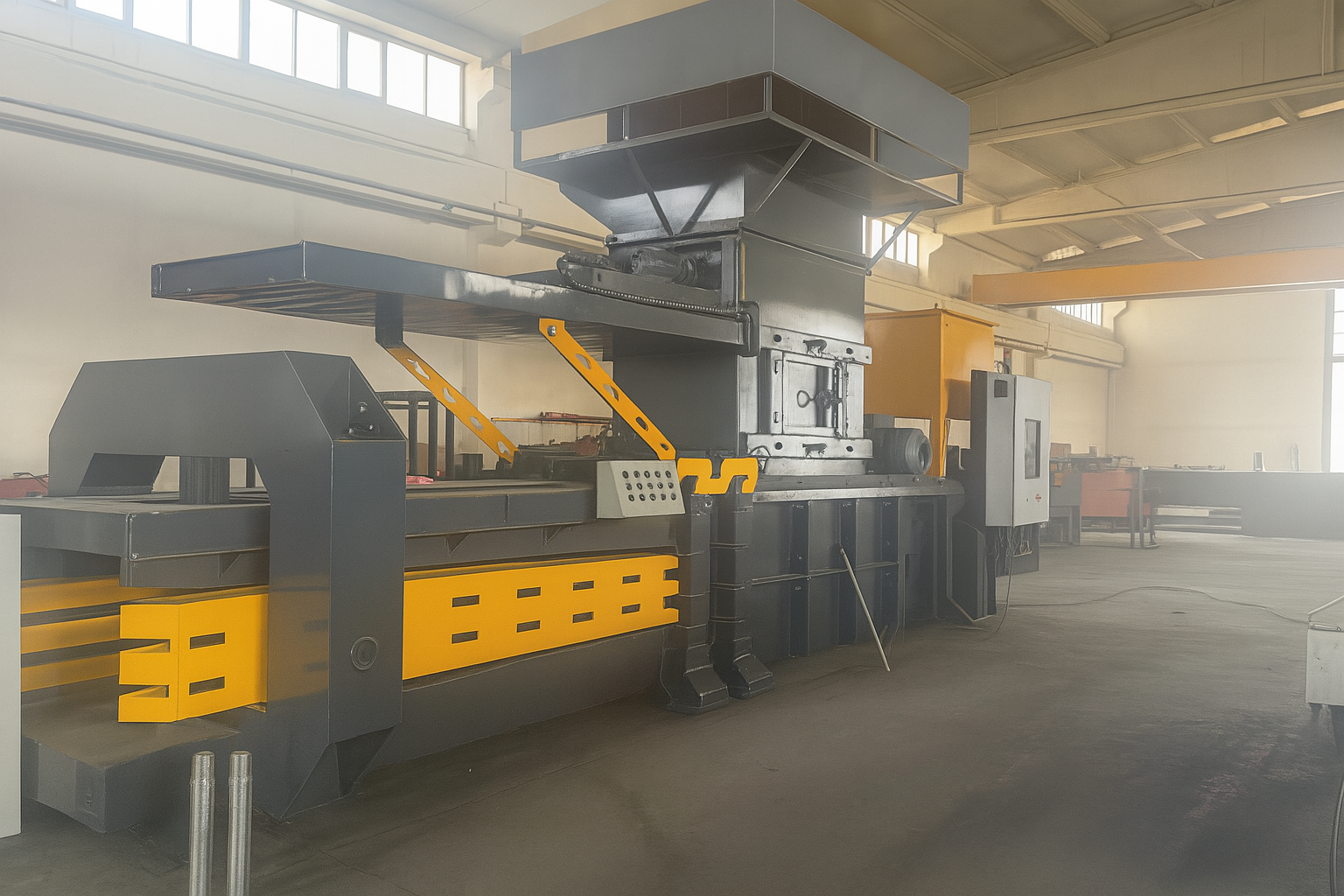
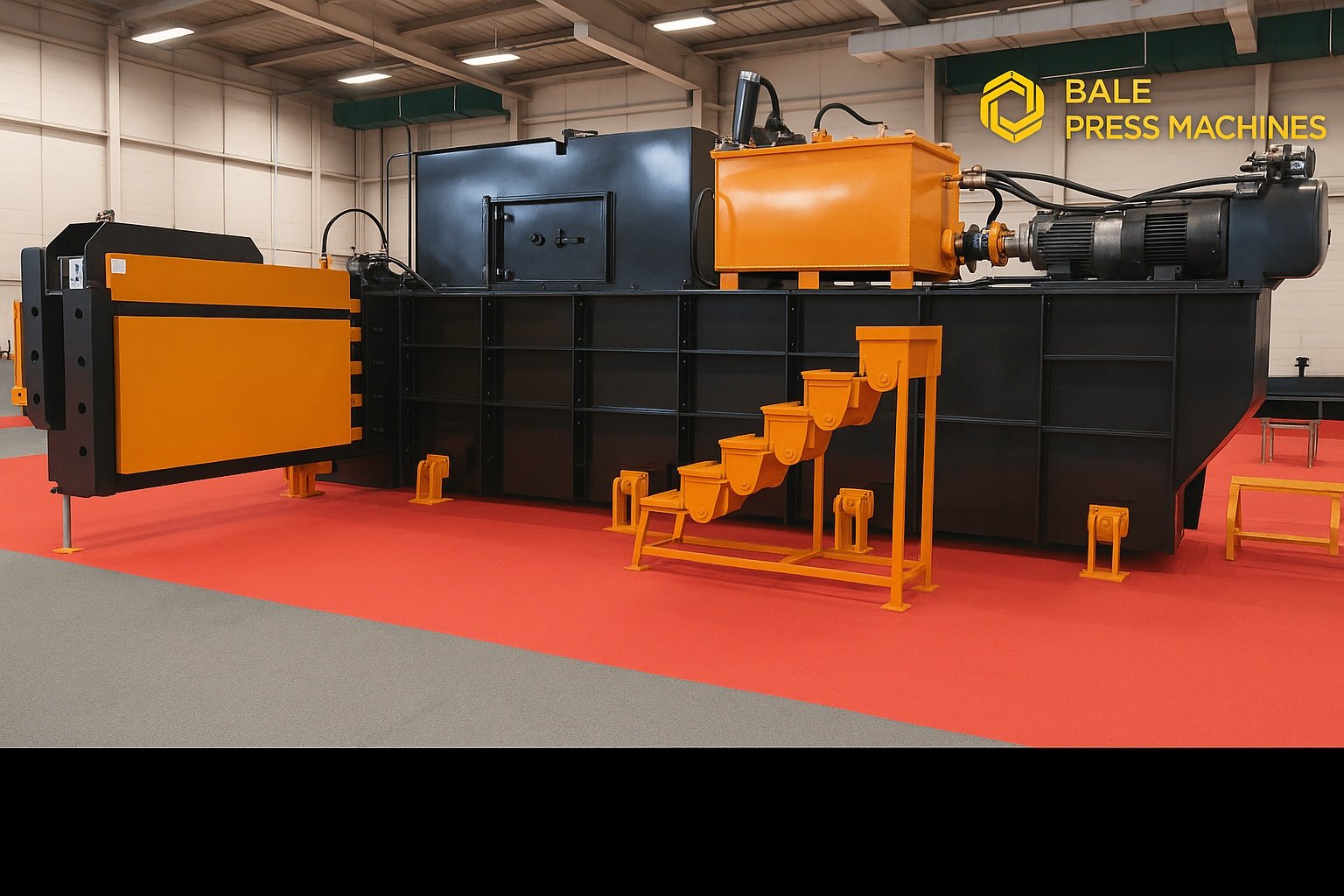
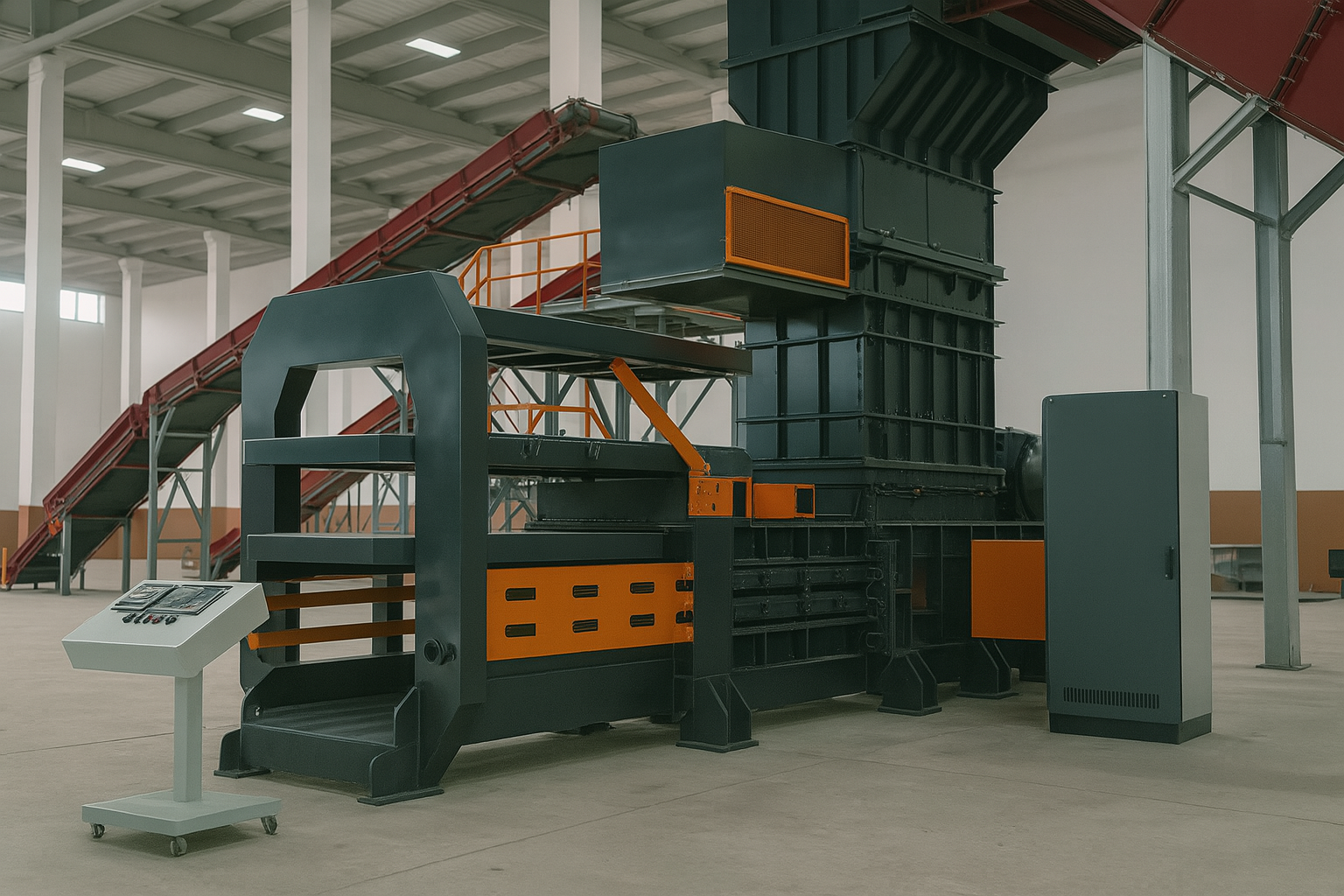
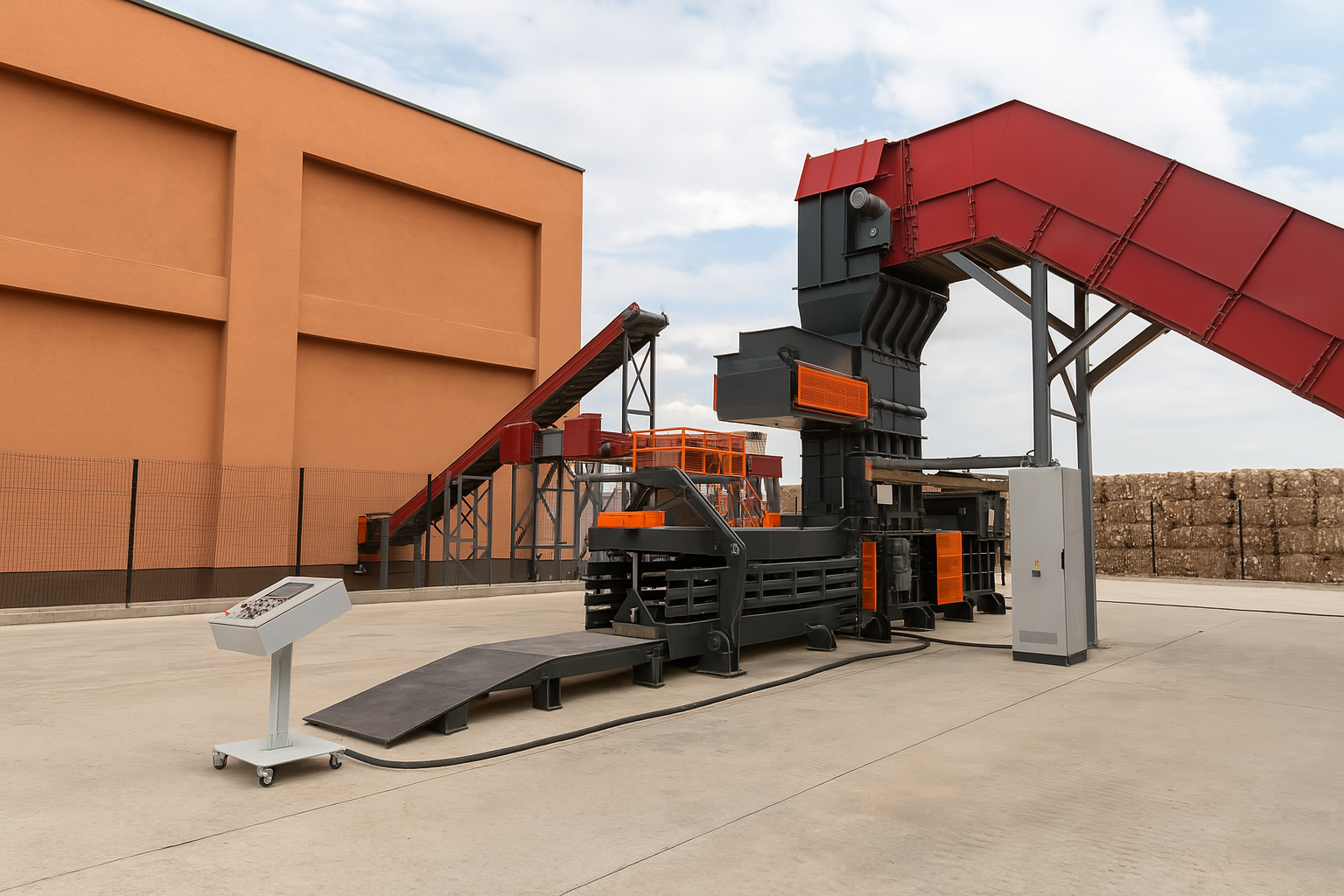
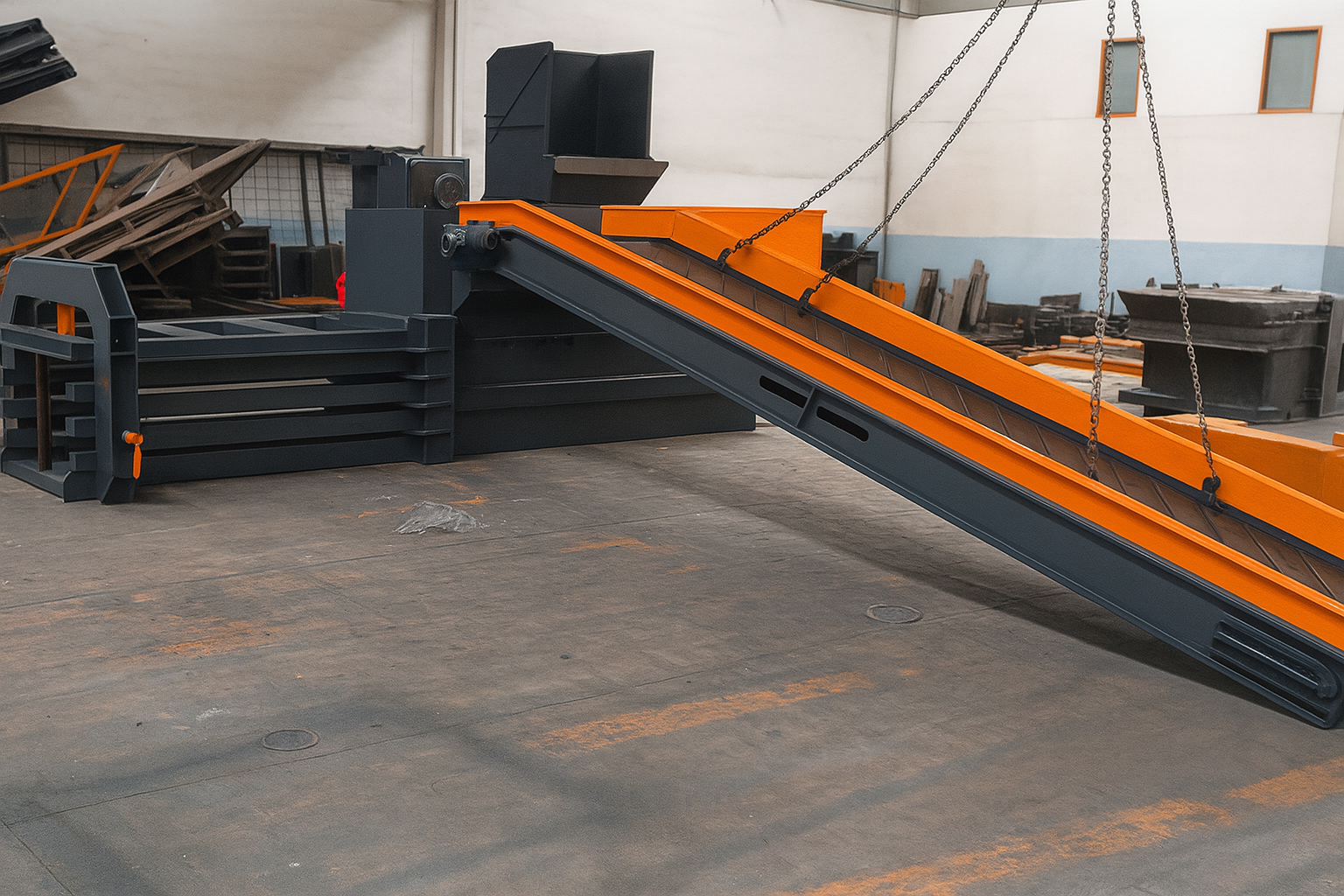
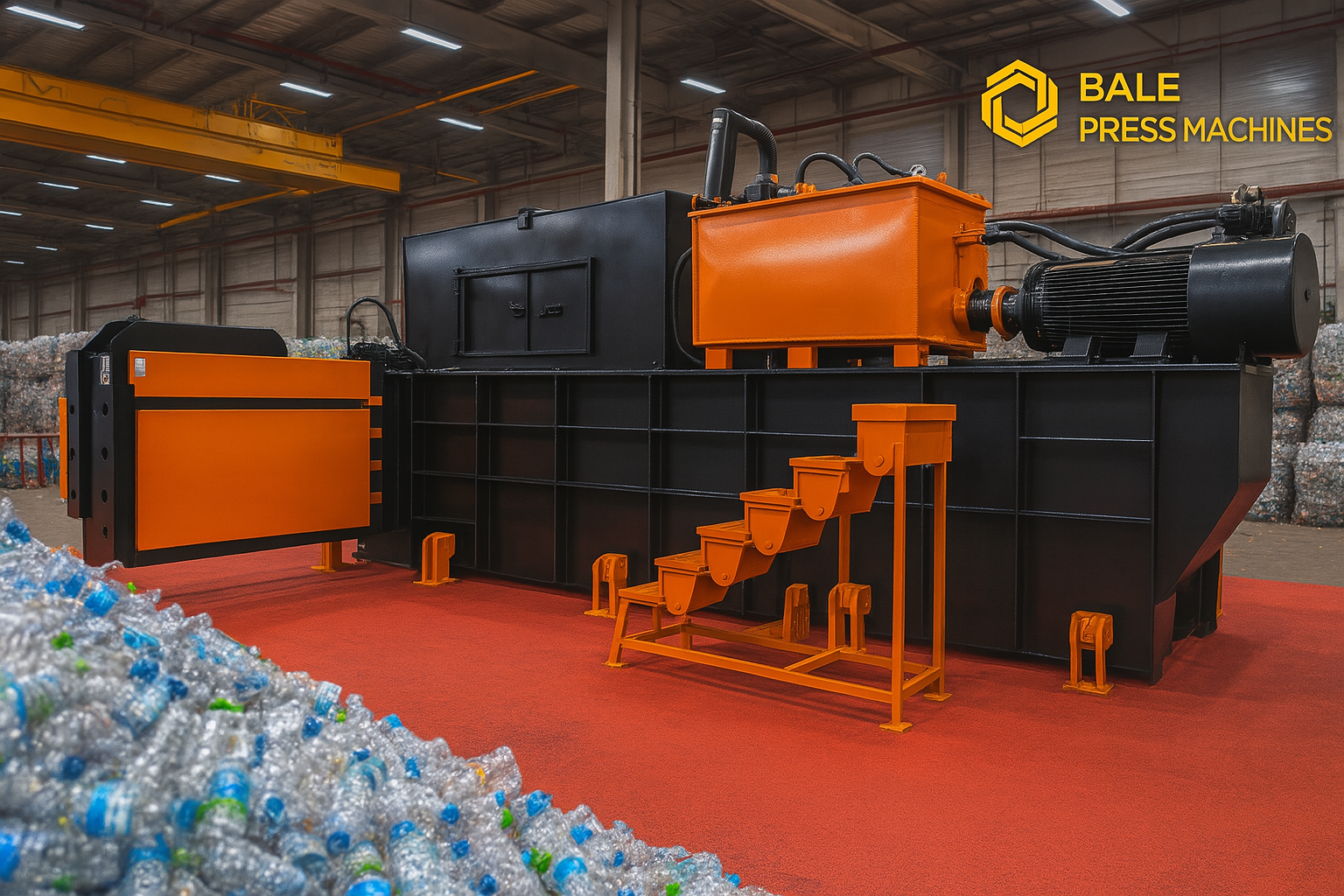
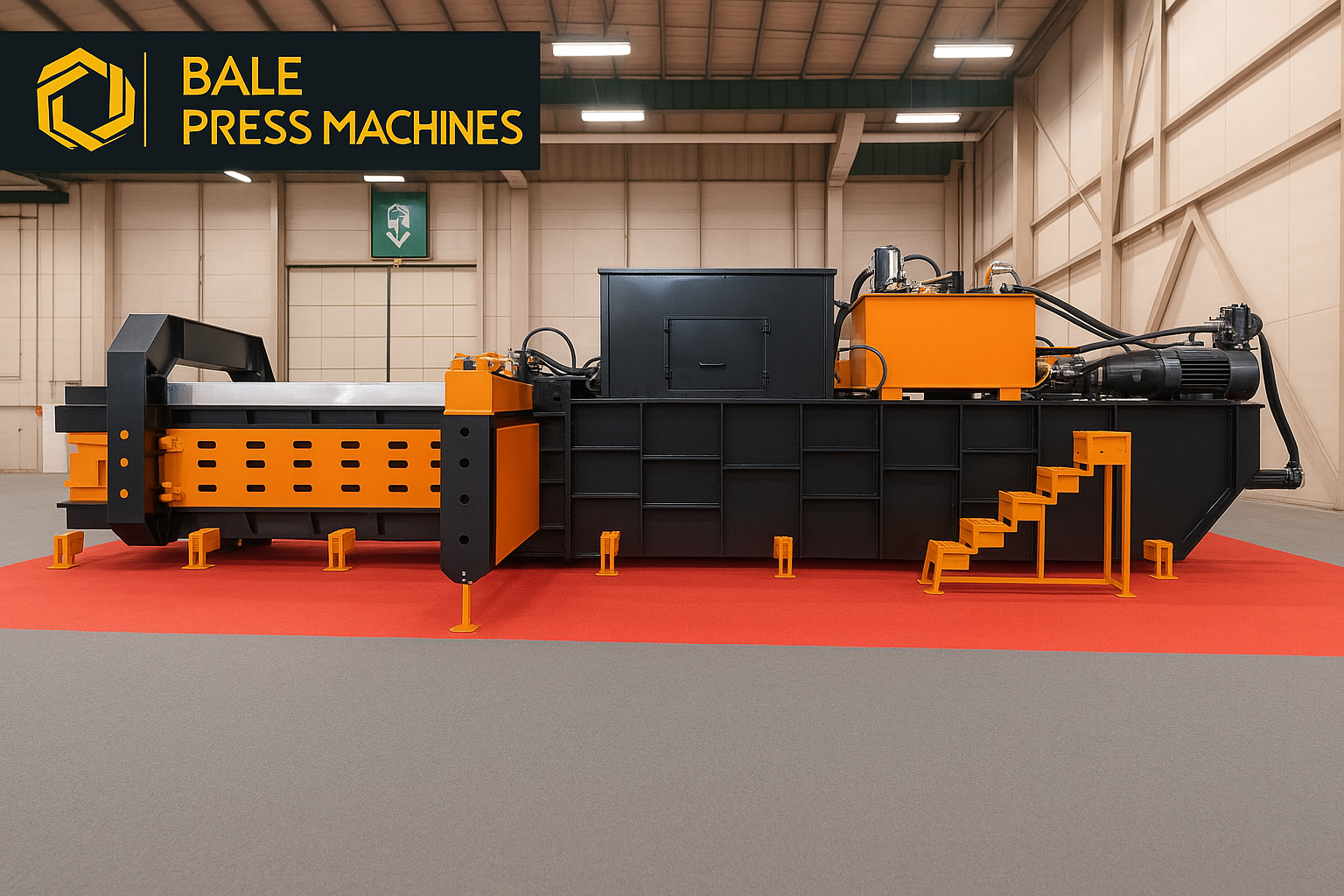
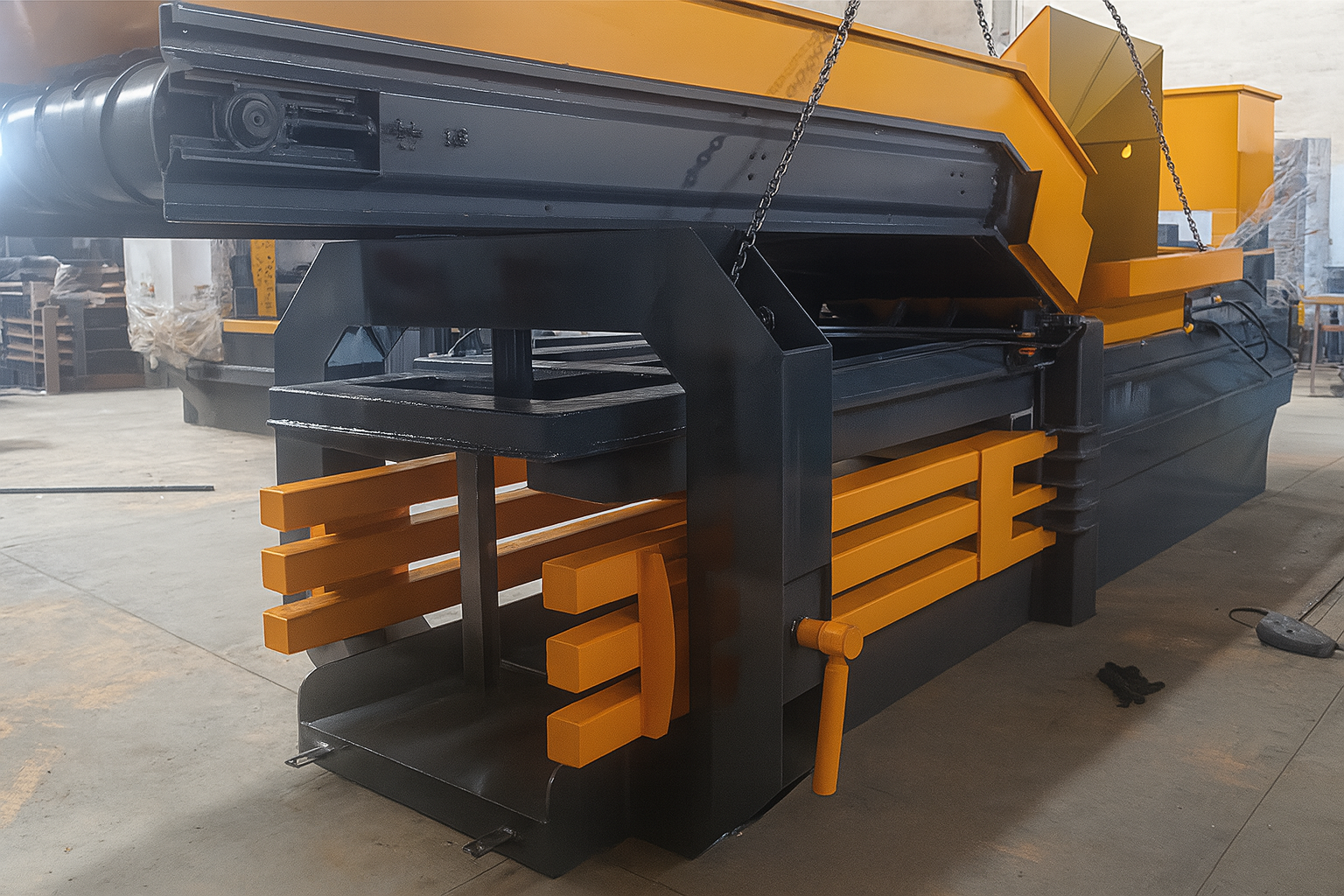
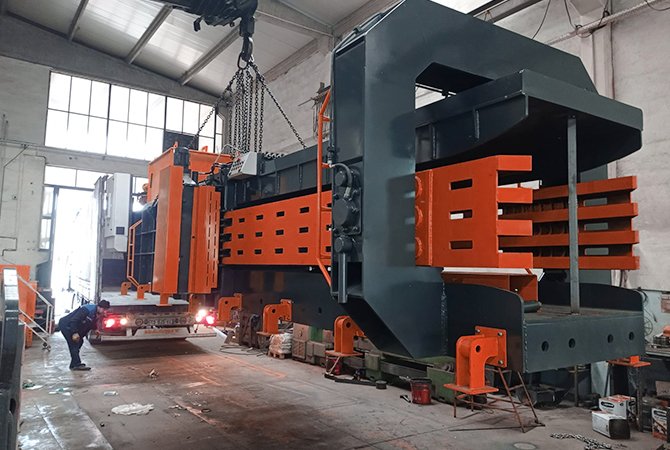
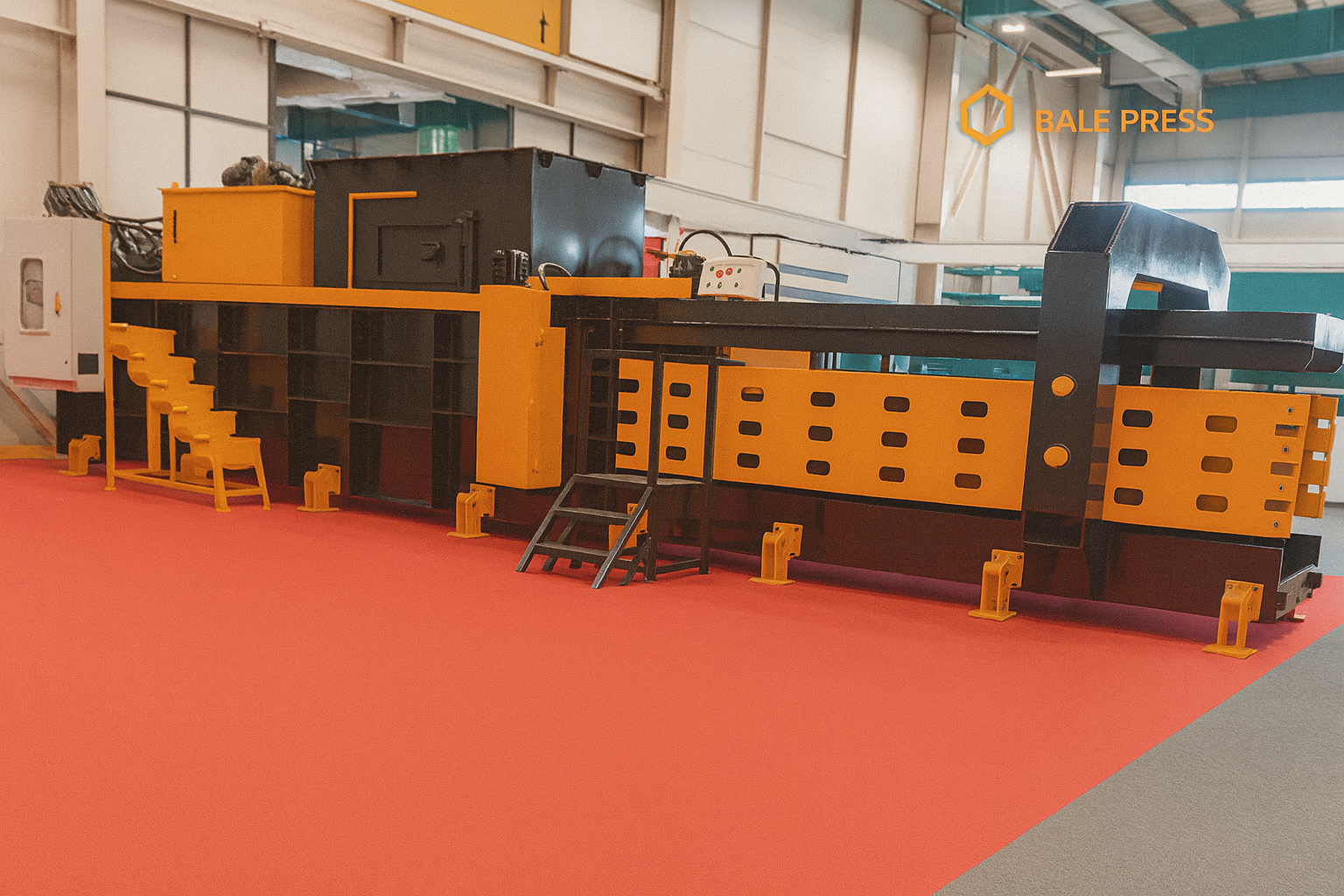
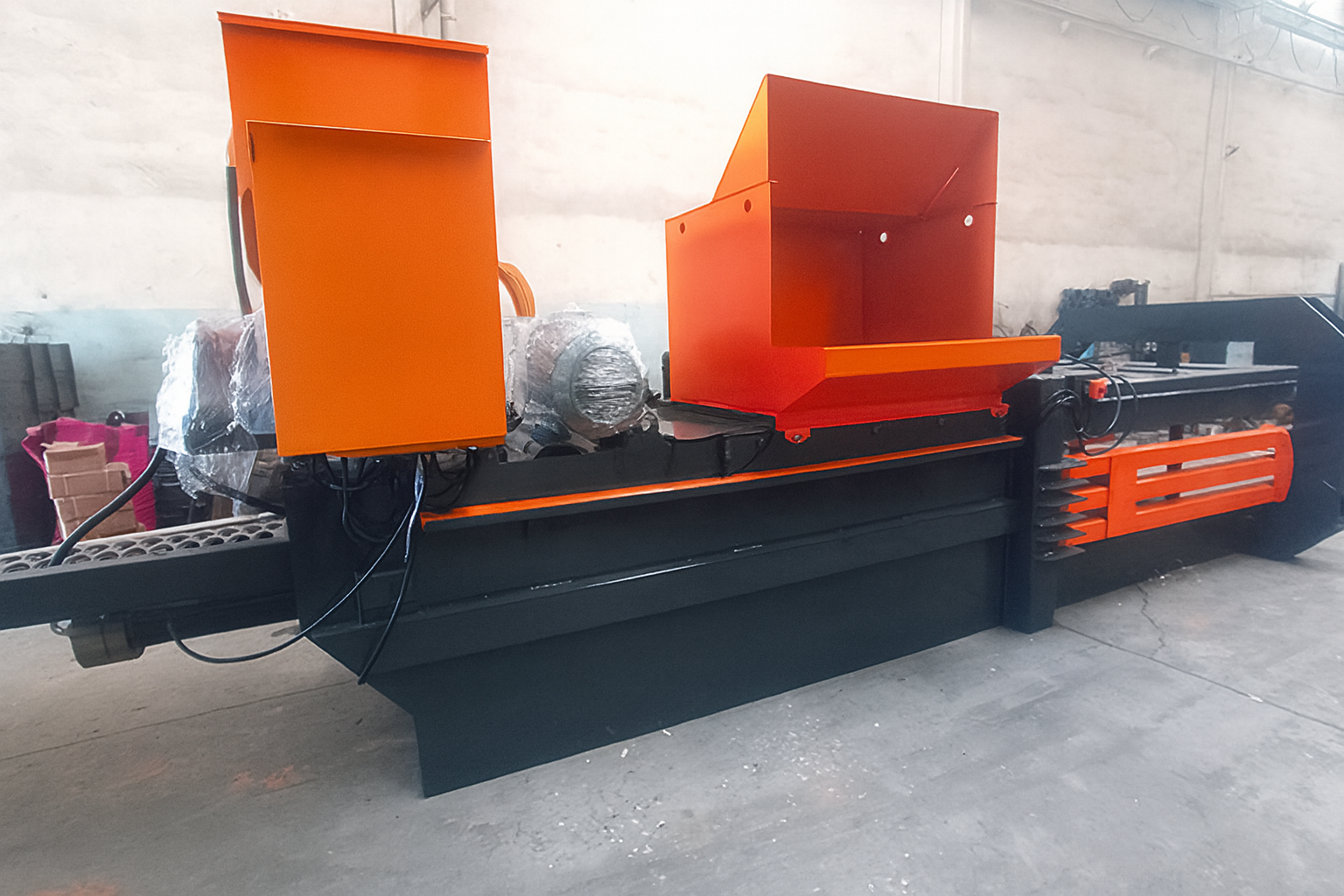
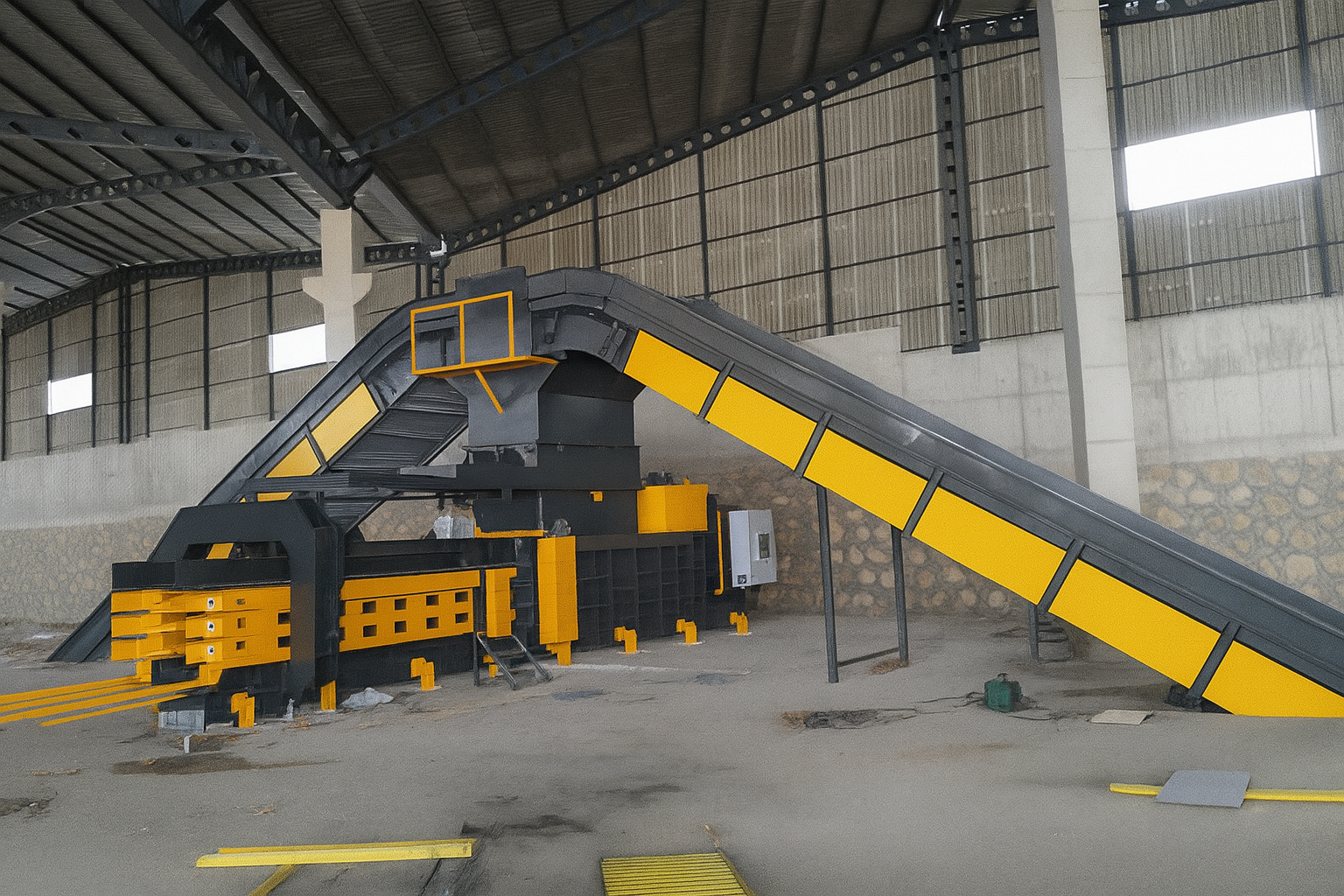
Prem200
Bale Dimensions: Standard bale dimensions are generally around 800 × 1100 mm, but may vary depending on manufacturer specifications and customer requirements.
- Bale dimensions 115*125 cm
- Feeding chamber (width length height) 115200125
- Squeezing time 30 seconds
- Main press cylinder pressing power 200 tons
- Wire binding 5 wire automatic binding
- Working pressure: 250-300 bar
- Electric motor power: 2 X 90 KW
- Machine operation is electric automatic
- Machine weight=30,000 kg
- Bale weight 1500 – 2000 kg
- Conveyor belt Z type 18 mt 185 CM 2 PCS
- Daily capacity 20 tons per hour
- The inside of the press will be 8 mm hardox coating.
- Height of filling chamber 5m from the ground
- Base side upper tables 25mm ST 52 sheet platine
- Side body sheets 25mm sheet grid
- Electrical automation panel siemens
- PNC automation
- Hydraulic pump 280cc + 280cc KAWASAKİ
- Conveyor dimensions 185cm x 1800cm width and length
- Conveyor transmission kr 573 15/d
Automatic Bale Press Machines: Innovative Solutions for Industrial Waste Management
Automatic bale press machines are advanced industrial systems designed to maximize efficiency by compressing large volumes of industrial waste into compact forms. By significantly reducing the space required for storage and transportation, these machines have become essential components of modern recycling and waste management operations. They are commonly used for baling materials such as paper, cardboard, plastics, metals, and textile waste. Thanks to their automated operating mechanisms, they reduce workforce dependency while delivering substantial savings in time, cost, and facility space.
What Is an Automatic Bale Press Machine?
An automatic bale press machine is a high-pressure compression system that converts loose waste materials into dense, uniform bales through a fully automated process. Material feeding, compression, baling, and wire tying are all performed without continuous operator involvement. For this reason, automatic bale presses are widely preferred in factories and recycling facilities that generate large volumes of waste on a daily basis.
Technical Specifications of Automatic Bale Press Machines
Automatic bale press machines are manufactured in various capacities and configurations to meet different industrial requirements. Despite these variations, most models are equipped with the following core technical features:
Pressing Force: Hydraulic systems provide compression forces typically ranging from 50 to 200 tons, producing high-density and stable bales.
Processing Capacity: Output capacity generally ranges between 2 and 30 tons per hour, depending on motor power, cylinder diameter, and compression speed.
Automatic Wire Tying System: The baled material is secured with wire automatically, ensuring bale integrity and preventing material dispersion.
PLC Control Panel: Programmable Logic Control (PLC) technology enables digital monitoring and precise control of the entire operating process.
Feeding Conveyor System: Automatic conveyor units transport waste materials efficiently into the press, supporting continuous operation.
Bale Dimensions: Standard bale sizes are typically around 800 × 1100 mm and may vary based on manufacturer specifications and customer requirements.
Advantages of Automatic Bale Press Machines
Automatic bale press machines offer a wide range of operational and economic advantages:
Time Efficiency: Automation reduces manual labor and ensures uninterrupted production cycles.
Space Optimization: Compressed bales require significantly less storage space, increasing warehouse efficiency.
Cost Efficiency: Lower transportation and storage volumes result in considerable cost savings.
Environmental Sustainability: Faster and more efficient recycling processes support environmentally responsible waste management practices.
Improved Occupational Safety: Minimal manual handling reduces workplace risks and enhances operator safety.
Application Areas of Automatic Bale Press Machines
Automatic bale press machines are widely used across numerous industries, including paper and cardboard manufacturing, plastic recycling facilities, food and beverage production plants, textile industries, logistics warehouses, and large retail operations.